The Iranian judiciary announced on Saturday, October 3, that it had executed Siavash Jamshidi Kheir Abadi, a man arrested during protests that took place in January. According to the judiciary, Jamshidi fired at least three shots at police officers on January 8 and was arrested two days later with a pistol in his possession in the city of Shahrekord in southwestern Iran.
The judiciary accused Jamshidi of communicating with individuals online to organize activities that were "against national security" and seeking financial compensation to carry out a "mission", although it did not specify which entity it believed was behind the plot. The protests began on December 28, 2025, due to economic difficulties and eventually escalated into widespread demonstrations calling for an end to the rule of the Islamic Republic's clerical establishment.
Iranian authorities have accused armed groups and elements supported by the United States and Israel of participating in the protests and engaging in violent acts. In response to the protests, Israeli Minister of Jerusalem and Heritage Amichai Eliyahu acknowledged that Israel had agents operating inside Iran, stating that their goal was to weaken the Islamic Republic's capabilities, but he denied that they were working directly to overthrow the Iranian leadership.
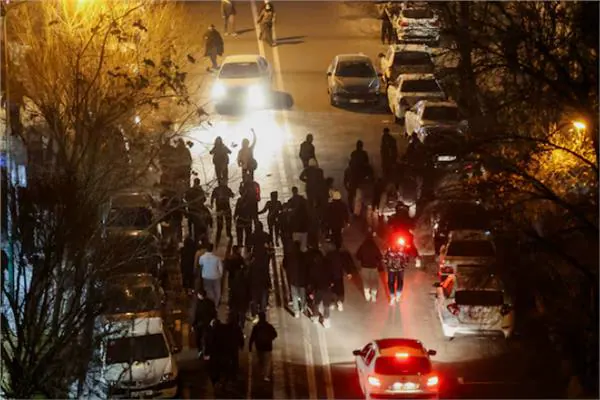
The January protests were marked by widespread demonstrations and clashes between protesters and security forces. The Iranian government has faced criticism from human rights groups and Western countries over its handling of the protests, with many accusing it of using excessive force and making mass arrests. The execution of Jamshidi has sparked concerns about the Iranian government's response to dissent and the use of capital punishment.
According to the Iranian judiciary, Jamshidi's execution was carried out after he was found guilty of crimes against national security. The judiciary has stated that his actions were part of a larger plot to destabilize the country, although it has not provided further details. The execution has been widely reported by international news agencies and has sparked reactions from governments and human rights organizations.
The Iranian government's response to the January protests has been the subject of international scrutiny, with many countries expressing concern about the use of force and the arrest of protesters. The execution of Jamshidi has raised further concerns about the Iranian government's commitment to human rights and the rule of law. The incident has also sparked debate about the role of external actors in the protests.
The protests in Iran have highlighted the country's ongoing struggles with economic and social issues, as well as the tensions between the government and its citizens. The execution of Siavash Jamshidi Kheir Abadi has sparked renewed concerns about the Iranian government's response to dissent and the use of capital punishment.
Key points
- Iran executed a man arrested during January protests after he was accused of shooting at police.
- The protests began due to economic difficulties and eventually escalated into widespread demonstrations calling for an end to the rule of the Islamic Republic's clerical establishment.
- The Iranian government's response to the protests has been the subject of international scrutiny, with many countries expressing concern about the use of force and the arrest of protesters.