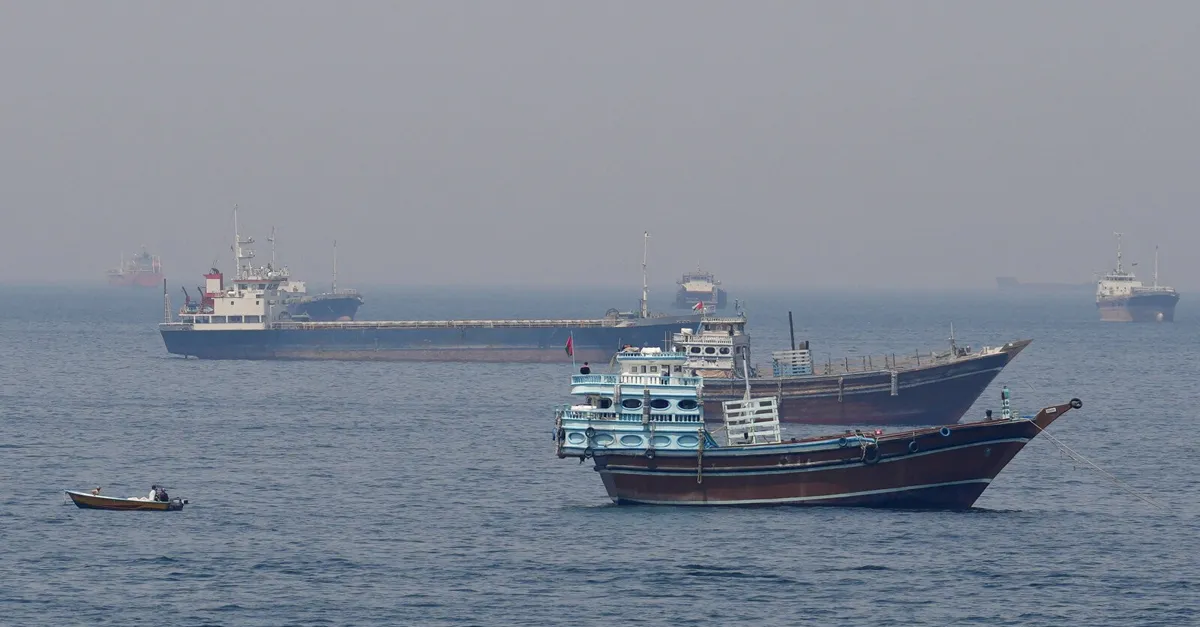
Iran has denied any plans to restart negotiations with the United States, despite statements from President Donald Trump suggesting that talks between the two countries are imminent. According to the Iranian News Agency "IRNA", the Iranian delegation in New York for the United Nations General Assembly has no intention of engaging in discussions with the US. This development comes as tensions between Tehran and Washington remain high, particularly over the Strait of Hormuz, a critical waterway for global oil supplies.
The Iranian government has outlined seven conditions for ending the conflict and reopening the Strait of Hormuz, including a seven-day ceasefire in the Middle East, the release of frozen Iranian assets, and the lifting of sanctions on Iran's oil sector. These conditions were reiterated after Trump rejected an Iranian proposal to reopen the strait within seven days. The stalemate has persisted, with the US imposing a naval blockade on Iranian ports, further straining relations and impacting global energy markets.
The Qatari government has attempted to mediate between Iran and the US, with reports suggesting that indirect talks may resume soon. However, Iran's recent denial of planned talks has highlighted the significant gap between Trump's statements and Tehran's position. The Iranian government has emphasized that its conditions for negotiations are clear and have been communicated to Washington through Qatar.
In a separate development, the Trump administration has moved to relax fuel efficiency standards for vehicles, a decision that critics argue undermines efforts to reduce emissions and promote electric vehicles. This move is seen as part of Trump's broader effort to boost the US automotive industry and reduce regulatory burdens.
The US presidential election campaign has also taken center stage, with Trump urging his supporters to treat the midterm elections as if his name were on the ballot. The Republican Party has expressed concerns over Trump's intervention in the campaign, with some lawmakers arguing that the use of public funds for campaign advertising is inappropriate.
Tensions between the White House and the media have escalated, with the administration defending its decision to bar certain journalists from accessing the White House. The move has sparked concerns over press freedom and access to information, with some lawmakers calling for greater transparency.
The US economy has also faced challenges, with inflation rates rising to 3.4% and prices for essential goods such as heating oil, meat, and coffee increasing significantly. These developments have added to the complexity of the Trump administration's agenda, which has included high-stakes diplomacy with countries such as China and Iran.
Key points
- The US and Iran have significant differences over conditions for negotiations, including Iran's demands for a ceasefire and lifting of sanctions.
- The Trump administration's policies have faced criticism on several fronts, including environmental regulations and press freedom.
- The US economy has faced challenges, including rising inflation and increasing prices for essential goods.