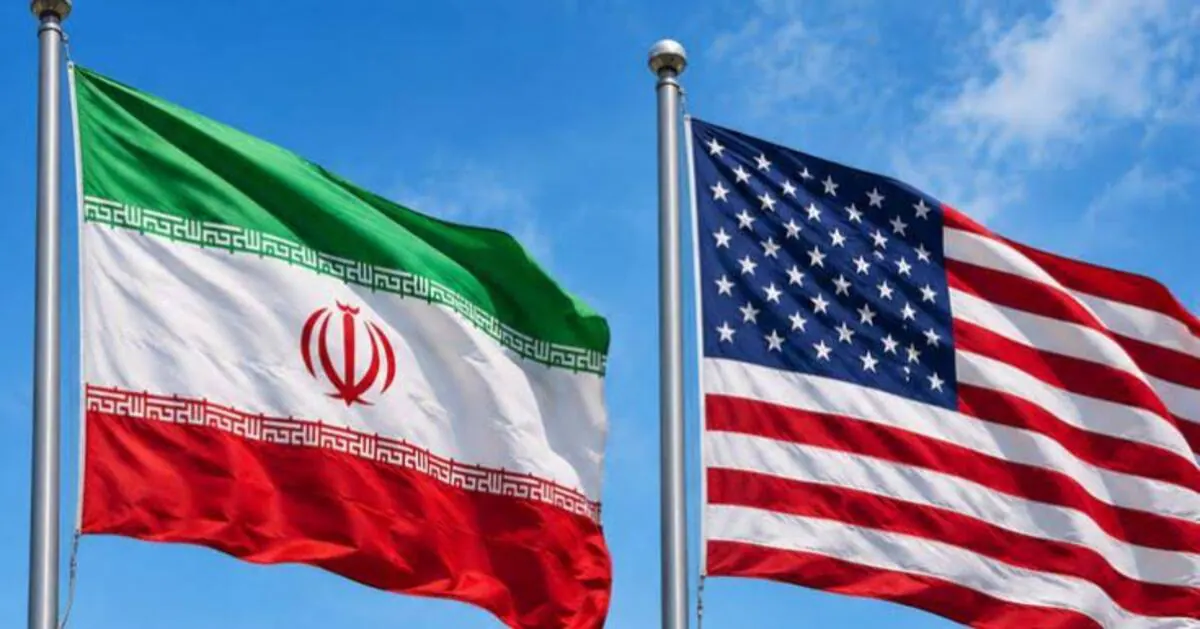
Iran's delegation to the United Nations General Assembly has stated that they have no plans for negotiations with the United States. This announcement was made through the official IRNA news agency, citing an unnamed source close to the Iranian group. The statement comes after US President Donald Trump expressed his expectation of resumed talks with Iran.
The development is a setback to Trump's hopes for renewed negotiations, which he mentioned in an interview with media outlet Axios on Sunday. Trump had suggested that talks could resume soon, despite having rejected a proposal by Tehran to reopen the Strait of Hormuz within seven days. The strait is a strategic waterway through which a significant portion of the world's oil and gas flows.
According to IRNA, Iran's views and positions were conveyed to the US side through a Qatari mediator. The Iranian delegation is set to return to Tehran on Tuesday. Earlier, Axios reported that indirect talks mediated by Qatar could take place as early as Monday, following similar discussions between US envoys Steve Witkoff and Jared Kushner and Iranian Foreign Minister Abbas Araghchi.
Iran had presented seven conditions for ending the conflict and reopening the Strait of Hormuz. These conditions include a seven-day ceasefire across the Middle East, including in Lebanon, where Iran's ally Hezbollah is regularly targeted by Israel. Iran also demands the unfreezing of its foreign assets, the lifting of sanctions on its oil sector, and an end to the US naval blockade.
Trump's rejection of Iran's demands on Saturday did not lead to an immediate escalation of hostilities, as fighting has slowed since September 1. However, vessels have continued to be struck in the Strait of Hormuz. The conflict began with US-Israeli strikes on Iran in February, followed by Tehran's chokehold on the strait and Washington's blockade of Iranian ports.
The Iranian delegation's statement is a clear indication that Tehran is not willing to engage in talks with the US at this time. The US and Iran have been engaged in a tense standoff, with the US imposing sanctions on Iran's oil sector and Iran responding with attacks on vessels in the Strait of Hormuz.
The situation remains volatile, with no clear resolution in sight. The international community is watching closely, as the conflict has significant implications for global oil supplies and regional stability. The US and Iran will likely continue to engage in a diplomatic tug-of-war, with the fate of the Strait of Hormuz and the wider region hanging in the balance.
Key points
- Iran's delegation to the UN General Assembly says no talks are planned with the US.
- US President Donald Trump had expected further negotiations with Iran.
- Iran demands a seven-day ceasefire and the lifting of sanctions on its oil sector.