Iran's National Security Council has deemed the US response to its latest proposal as insufficient. According to a report by Al Watan News, the council's secretary, Major General Mohsen Rezaei, stated that Tehran considers the US response to be inadequate. This development comes amid ongoing tensions between Iran and the US over the country's nuclear program and the lifting of sanctions.
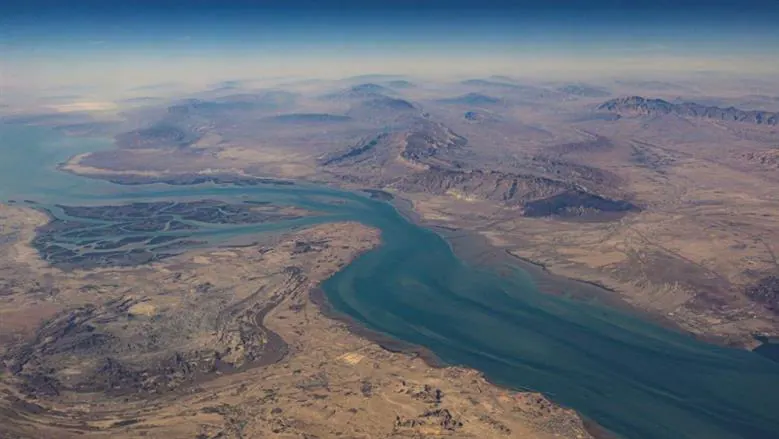
Major General Rezaei revealed that Iran had informed the US of its conditions two weeks prior, emphasizing that the Strait of Hormuz would not be opened for negotiation. The Strait of Hormuz is a critical waterway for global oil exports, and Iran's threat to block it has been a point of contention. Rezaei's comments highlight the continued impasse between the two nations.
On September 25, 2026, Reuters reported that Iran had presented a seven-day plan to reopen the Strait of Hormuz and resume diplomatic talks. The plan included a ceasefire in the region, including Lebanon, and the lifting of the US naval blockade on Iranian ports. However, the US response has apparently failed to meet Iran's expectations.
The tensions between Iran and the US have been ongoing for several years, with the nuclear deal being a major point of contention. The deal, which was signed in 2015, imposed restrictions on Iran's nuclear program in exchange for relief from economic sanctions. However, the US withdrew from the deal in 2018 and reimposed sanctions, leading to a deterioration in relations.
Iran has been pressing for the lifting of sanctions, which have had a significant impact on the country's economy. The US, however, has been hesitant to provide relief, citing concerns over Iran's ballistic missile program and its support for militant groups in the region. The two sides have been engaged in indirect talks, but a breakthrough has yet to be achieved.
The situation remains complex, with multiple factors at play. Iran's nuclear program, the Strait of Hormuz, and the US sanctions are all interconnected issues that need to be addressed. A resolution will likely require compromise and a willingness from both sides to find common ground.
The international community is closely watching the developments, as a resolution to the conflict could have significant implications for global security and the economy. The Egyptian President's recent visit to Indonesia and the meeting with the Korean President highlight the ongoing diplomatic efforts in the region.
Key points
- Iran's National Security Council considers the US response to its proposal insufficient.
- The Strait of Hormuz remains a critical point of contention between Iran and the US.
- A breakthrough in the negotiations will likely require compromise on both sides.