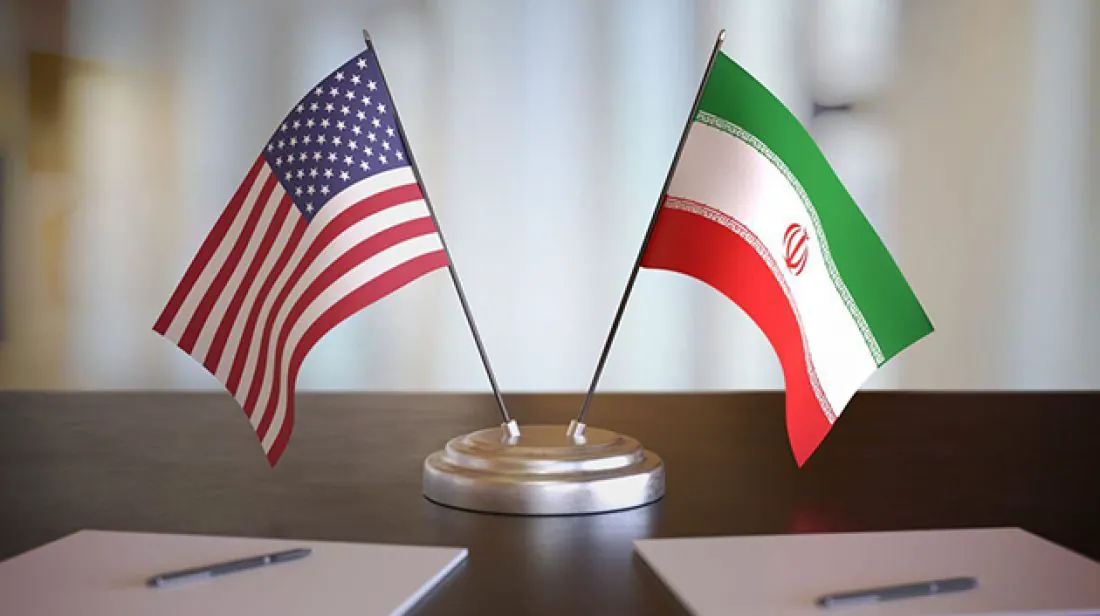
Iran is currently awaiting a formal response from the United States regarding its proposal to reopen the Strait of Hormuz and end the ongoing conflict in the Middle East. The proposal was presented at the United Nations General Assembly in New York, and according to Iranian officials, it was passed to the US through Qatari mediators. The plan aims to reopen the Strait of Hormuz and halt hostilities in the region within a seven-day period.
The proposal's details were revealed by Iranian Foreign Minister Abbas Araghchi, who stated that if the US shows genuine interest in agreeing to the plan and reopening the Strait of Hormuz, all necessary arrangements are in place. He added that in the event of US approval, the warring parties can initiate broader discussions on mutually agreed-upon issues. This development comes after a report by The Wall Street Journal, citing unnamed US officials, stated that President Trump expressed skepticism about Iran's intentions to meet his demands.
A US official, speaking on condition of anonymity, previously described the ongoing discussions through mediators as "positive and constructive." In addition to engaging with the US, Iran has also been in contact with Saudi Arabia regarding the Strait of Hormuz, highlighting the gravity of the seven-month-long conflict that has disrupted oil flow through one of the world's most critical shipping lanes and negatively impacted the global economy.
The conflict has caused significant concerns worldwide, given the Strait of Hormuz's importance as a major oil transportation route. Any prolonged disruption to oil flow through the strait could have far-reaching consequences for global energy markets and the economy at large. Iran's proposal aims to address these concerns by establishing a framework for de-escalation and renewed dialogue between the parties involved.
While the US response to Iran's proposal remains pending, the international community is closely monitoring developments in the region. The situation remains volatile, with various stakeholders holding differing positions on the conflict and its potential resolution. The involvement of mediators, such as Qatar, has been seen as a positive step towards facilitating dialogue and finding a peaceful solution.
The conflict in the Middle East has been a major concern for the international community, with many countries calling for a peaceful resolution to the crisis. Iran's proposal to reopen the Strait of Hormuz and end hostilities has been seen as a potential step towards de-escalation, but the US response will be crucial in determining the plan's viability.
The situation remains uncertain, with many factors influencing the potential outcome. One thing is clear, however: a peaceful resolution to the conflict would be a welcome development for the region and the global community at large. Key players will continue to engage in diplomatic efforts to find a solution that addresses the concerns of all parties involved.
Key points
- Iran proposes a 7-day plan to reopen the Strait of Hormuz and end hostilities in the Middle East.
- The US response to Iran's proposal will be crucial in determining its viability.
- The conflict has caused significant concerns worldwide due to the Strait of Hormuz's importance as a major oil transportation route.