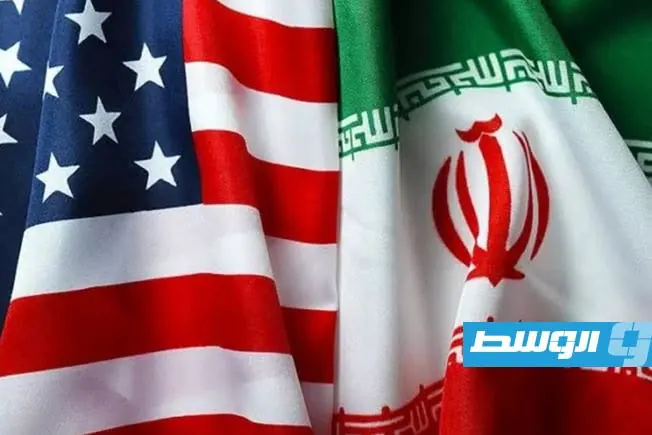
In a recent development, Iran has firmly stated its stance on its nuclear program, emphasizing that its right to nuclear development is "red line" that will not be compromised. This assertion comes in response to comments made by US Vice President, JD Vance, who suggested that Iran should reduce its uranium enrichment activities to end the ongoing conflict with the United States. According to a senior Iranian official, Tehran's demands and Washington's requests are fundamentally at odds.
The Iranian official, who is directly involved in indirect negotiations with the US, highlighted that while America is free to present its requests and ideas, these proposals are incompatible with Iran's expectations. The official stressed that the US must first meet Iran's conditions before discussions on the nuclear file can commence. This firm stance by Iran underscores the complexities in the ongoing diplomatic efforts to address the nuclear issue.
JD Vance, in a recent interview, emphasized that any agreement with Iran would necessitate tangible reductions in its uranium enrichment capabilities, not merely assurances of future reductions. He questioned the necessity of Iran's high-level uranium enrichment, suggesting that such actions contradict the goal of preventing nuclear weapon development. Vance's comments reflect a critical point of contention in the negotiations between the two nations.
The backdrop of these exchanges is the persistent conflict between Iran and the US, which has been ongoing for over seven months. Recent developments have included the exchange of proposals aimed at ending the war and reopening the Strait of Hormuz, a vital global shipping route for energy supplies. However, the path to an agreement remains fraught with challenges, including the US's insistence on Iranian concessions on its nuclear program.
A significant challenge in the negotiations, as noted by Vance, is the uncertainty regarding decision-making processes within Iran's leadership. The US is reportedly engaging with Iranian President Masoud Pezeshkian and Foreign Minister Abbas Araghchi, but the extent of their authority within Iran's power structure remains unclear. This ambiguity complicates the efforts to reach a mutually acceptable agreement.
Despite these challenges, Iran has shown willingness to discuss details of its uranium enrichment program, suggesting a potential avenue for negotiation. The Iranian stance, however, remains clear: recognition of its right to nuclear enrichment is a prerequisite for any agreement. This stance is reflective of the broader strategic considerations and security concerns that underpin Iran's nuclear policy.
The international community continues to watch these developments closely, given the implications for regional and global security. The negotiations between Iran and the US, with their complex history and current challenges, are pivotal in determining the future trajectory of the conflict and the global nuclear landscape.
Key points
- Iran views its right to nuclear development as a "red line" that will not be compromised.
- The US insists on tangible reductions in Iran's uranium enrichment capabilities as a condition for any agreement.
- The negotiations are complicated by uncertainties over Iran's decision-making processes and the extent of authority held by key figures.