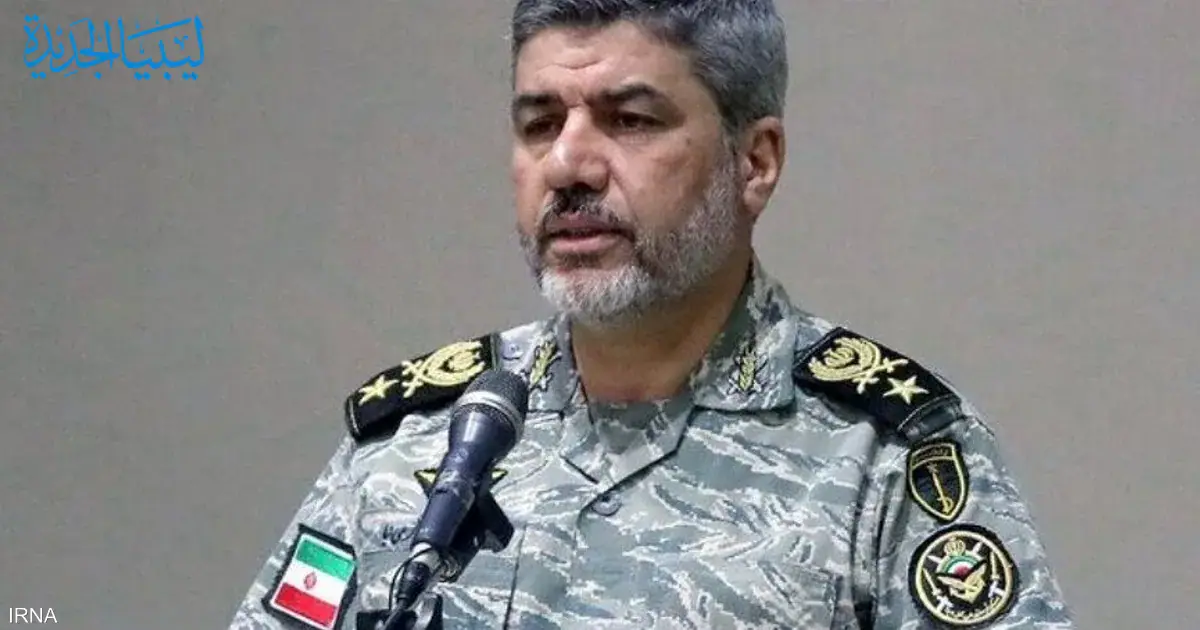
The Iranian Navy has announced that it has gained control and surveillance over the eastern Strait of Hormuz and northern Indian Ocean. This development was reported by Akrimi Nia, a spokesperson for the Iranian Navy. The Strait of Hormuz is a critical waterway for global oil shipments, and Iran's assertion of control may escalate tensions with other nations, particularly the United States.
The US Central Command (CENTCOM) reported that a US aircraft had launched precision-guided munitions at the rear of the Palau-flagged ship Pacific Archer on Thursday. The ship had attempted to breach the US-imposed blockade on Iranian ports. The blockade, which was established in mid-July, has resulted in the disruption of six ships and the rerouting of 158 others. CENTCOM confirmed that the incident occurred in the Gulf of Oman and that the ship's propulsion system was disabled without harm to its civilian crew.
The US-imposed blockade on Iranian ports was established after the collapse of a short-term agreement with Iran. In response, Iran has imposed strict restrictions on navigation in the Strait of Hormuz. Iranian forces have reported several incidents of fires on ships that attempted to use routes considered non-compliant by Tehran. Iranian Foreign Ministry spokesperson Ismail Baqai emphasized that Iran will use all available means to break the US naval blockade on its ports.
Diplomatic efforts to resolve the crisis that began in late February, following US and Israeli airstrikes on Iran, remain stalled. The collapse of an agreement reached in June, which aimed to pave the way for a permanent settlement, has hindered progress. Iran has stated that the Strait of Hormuz may be opened within two days if Washington agrees to its list of demands, including the lifting of the blockade.
The incident involving the Pacific Archer is part of a broader pattern of developments in the region. The ship had set sail from the Iranian port of Bandar Abbas, located on the Strait of Hormuz. CENTCOM reiterated that it will continue to enforce the blockade strictly. The blockade has been in place since mid-July, and its impact on global shipping and oil prices remains a concern.
Iran's assertion of control over the eastern Strait of Hormuz and northern Indian Ocean may be seen as a response to the US-imposed blockade. The development has raised concerns about the potential for escalation in the region. The international community remains engaged in efforts to find a diplomatic solution to the crisis, but progress has been slow.
The situation in the Strait of Hormuz remains volatile, with both Iran and the US maintaining their positions. The blockade has had significant economic implications, and the international community is closely monitoring the situation. Key points include Iran's assertion of control over the eastern Strait of Hormuz, the US-imposed blockade on Iranian ports, and the stalled diplomatic efforts to resolve the crisis.
Key points
- Iran claims control over eastern Strait of Hormuz and northern Indian Ocean
- US imposes blockade on Iranian ports, disrupting shipping
- Diplomatic efforts to resolve crisis remain stalled
Reporting sources
- مستجدات.. إيران تعلن سيطرتها البحرية على شرق مضيق هرمز · Libya Al Jadida