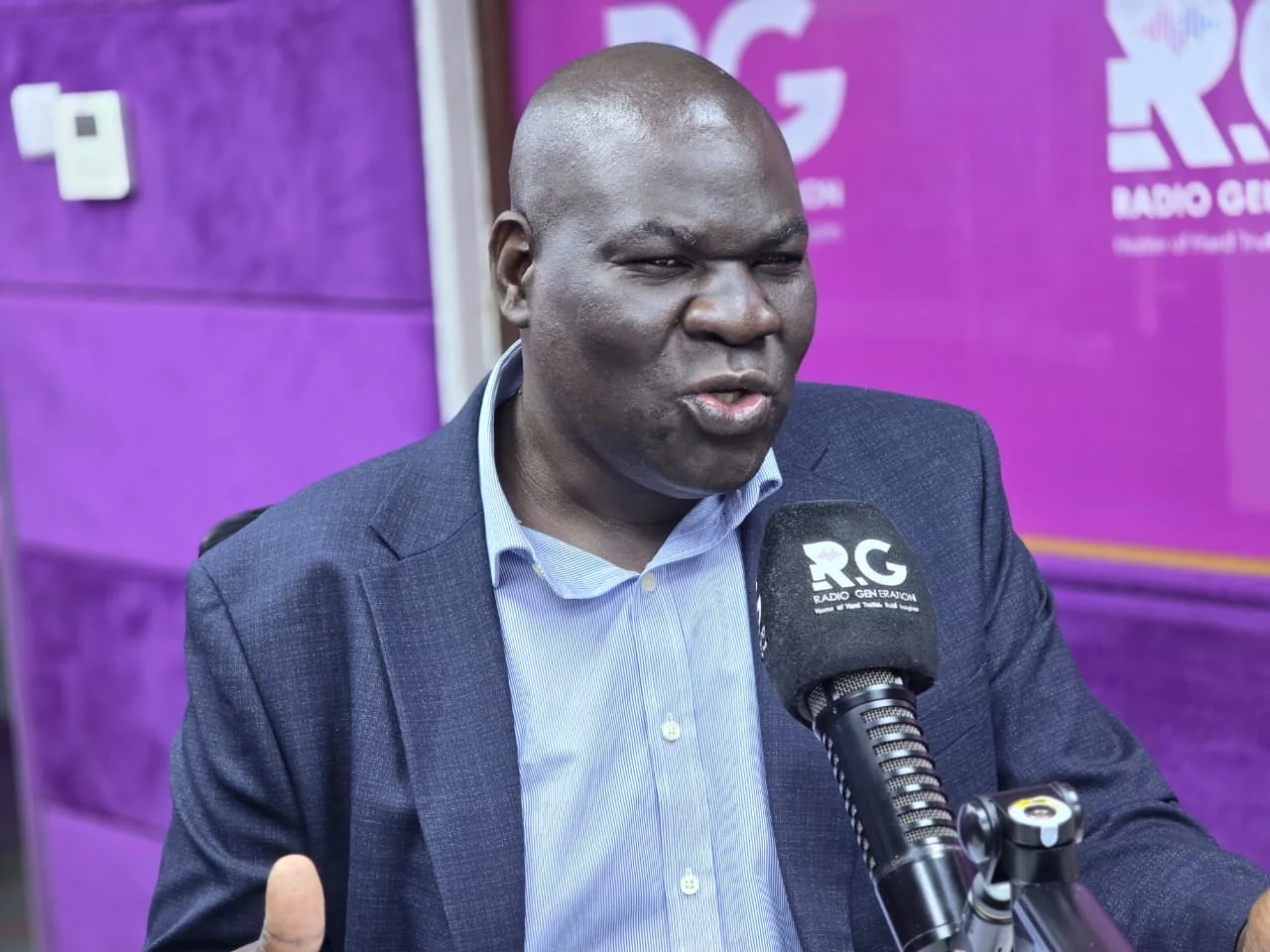
The Independent Policing Oversight Authority (IPOA) in Kenya is facing significant challenges in overseeing the National Police Service due to a severe staffing shortage. According to IPOA Chair, Dr. Duncan Ojwang, the authority has only about 330 employees responsible for monitoring over 1,100 police stations and approximately 130,000 police officers across the country. This shortage, Ojwang emphasized, severely limits IPOA's ability to conduct regular audits and inspections of police stations, detention facilities, and policing operations.
The staffing gap has resulted in IPOA teams being stretched thin as they handle investigations, inspections, and other oversight duties across Kenya. Dr. Ojwang stated that the authority's current workforce makes it difficult to move beyond investigating complaints and cases to carrying out more proactive measures such as regular audits and inspections. IPOA's mandate includes investigating deaths and serious injuries linked to police action, probing police misconduct, monitoring policing operations, and inspecting police premises and detention facilities.
To address these challenges, IPOA is seeking to increase its presence at the county level, enabling its officers to monitor police conduct more closely and assess conditions in facilities operated by the National Police Service. Dr. Ojwang explained that the authority plans to implement a county-based approach, as the current eight regional offices cover large areas, making it difficult for teams to maintain regular contact with police stations and officers under their areas of responsibility.
IPOA's role in proactive monitoring has been evident during major public events, where its teams have documented police conduct and incidents involving both officers and civilians. In its report on the policing of the June and July 2025 protests, IPOA recorded 65 deaths, injuries to 342 civilians and 171 police officers, as well as destruction and looting of public and private property. The authority registered 48 complaints during the June 25 protests and a further 70 complaints during the July 7 Saba Saba demonstrations.
The authority is engaging Parliament in a bid to secure more resources that would allow it to recruit additional personnel and improve its reach. Dr. Ojwang noted that IPOA continues to receive complaints and conduct inspections in different parts of the country. According to IPOA's January-June 2024 performance report, the authority received and processed 1,943 complaints during the period, conducted 597 investigations, and carried out 723 inspections of police premises and detention facilities.
Regular inspections are crucial not only for identifying possible rights violations but also for finding structural and operational challenges within the police service. Dr. Ojwang cited the management of police stations as one area where IPOA's oversight had helped push for changes, including making each police station and Officer Commanding Station (OCS) an AIE holder, ensuring they have the necessary resources to operate effectively.
IPOA's work also covers police training, professionalism, and welfare, which Dr. Ojwang linked to the quality of service provided by officers. The authority's inspection, research, and monitoring work aim to ensure police premises meet required standards and that policing operations are carried out in line with constitutional rights and other legal requirements.
Key points
- IPOA has about 330 employees overseeing over 1,100 police stations and 130,000 police officers.
- The authority is seeking more staff and resources to expand its monitoring of the National Police Service.
- IPOA aims to adopt a county-based approach to improve oversight and monitoring of police conduct.