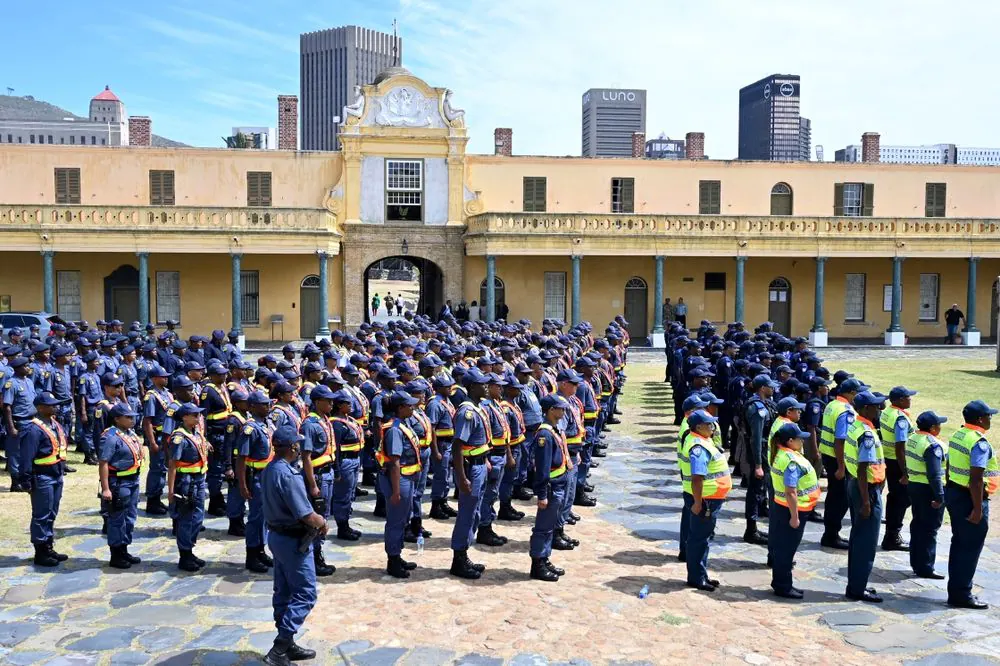
The Independent Police Investigative Directorate (IPID) in South Africa has reported a concerning increase in rape allegations against police officers. In the 2025/26 period, IPID recorded 116 rape cases involving police officers, with 72 of these incidents occurring while officers were on duty. This represents a rise from 95 rape cases in the previous year. The figures were revealed by Acting Police Minister Professor Firoz Cachalia when he tabled IPID's annual report in the National Assembly.
The IPID report also showed that out of 332 cases of gender-based violence and femicide (GBVF) registered against police officers, 116 involved rape allegations. The majority of these cases, 60, were from KwaZulu-Natal, followed by 58 from Gauteng, 52 from the Free State, and 27 each from the Eastern Cape and Northern Cape. Specific police stations, such as Kimberley and Mariannhill, led with seven cases each. The IPUSA president, Bethuel Nkuna, expressed deep concern over these figures, highlighting the abuse of power within the police force.
The increase in GBVF cases within the police force has been described as a systemic crisis that undermines public trust in law enforcement. Bethuel Nkuna, president of the Independent Policing Union of South Africa (IPUSA), condemned the escalation in rape cases involving police officers. He emphasized that the fact that 72 of these incidents were committed while officers were on duty demonstrates a grave abuse of power and a failure of internal controls within the South African Police Service (SAPS).
Human rights and gender justice advocates have also weighed in on the issue. Claudia Lopes, human rights and gender justice programme manager at the Heinrich Boell Foundation's Cape Town office, described IPID's figures as a clear signal of the severity of police-perpetrated gender-based violence. She stressed that the rise in rapes by police officers, especially while on duty, is alarming and represents an abuse of state power.
Despite IPID securing 84 criminal convictions, with 26 related to GBVF, concerns have been raised about the gap between registered offences and convictions. Nkuna stressed that survivors of police-perpetrated GBVF face unique barriers to justice and called for stronger survivor-centred mechanisms to ensure accountability. IPUSA demands urgent reforms in SAPS recruitment, training, and disciplinary systems, alongside independent oversight structures to prevent repeat violations.
Women's rights defenders have also called for stronger action to address the issue. Yolanda Dyantyi, a women human rights defender and founder of Archive Amabali Wethu NPO, expressed concern that police stations, meant to protect communities, can become crime scenes. She raised urgent questions about safety for women and other vulnerable groups and emphasized the need for stricter accountability, including dismissal, criminal prosecution, and loss of salary for perpetrators.
The issue of police-perpetrated gender-based violence has been declared a national disaster in South Africa, but advocates argue that more needs to be done to address it. Dyantyi and Lopes emphasized the need for a shift in focus towards prevention and strict accountability. The IPID figures have highlighted the need for urgent reforms within the SAPS to prevent repeat violations and ensure that police officers are held accountable for their actions.
Key points
- IPID recorded 116 rape allegations against police officers in 2025/26, with 72 occurring while officers were on duty.
- The majority of GBVF cases were from KwaZulu-Natal, Gauteng, and the Free State.
- Advocates are calling for urgent reforms within the SAPS to address the issue of police-perpetrated gender-based violence.