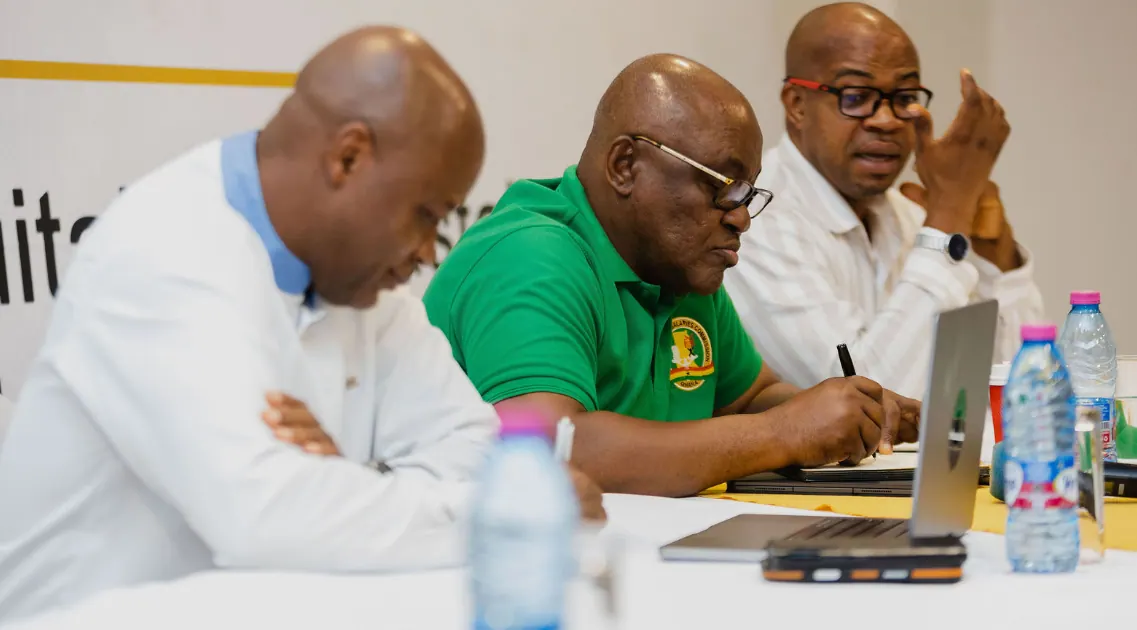
The Chief Executive of the Fair Wages and Salaries Commission (FWSC), Dr. George Smith-Graham, has urged Chief Executives of State-Owned Enterprises (SOEs) to support the government's move to establish an independent, equitable, and sustainable compensation system for the public sector. This call was made at a stakeholder engagement in Accra, which brought together CEOs, Deputy CEOs, Human Resource Directors, Finance Directors of SOEs, development partners, and the media. The event was part of a series of nationwide consultations ahead of the laying of the IPEC Bill before Parliament in October 2026.
Dr. Smith-Graham emphasized that the transition from FWSC to IPEC is not just a change of name, but a fundamental reform of Ghana's public sector remuneration architecture. He noted that the current public sector pay system has been fragmented, inequitable, and fiscally unsustainable. The establishment of IPEC aims to fix these issues by introducing an integrated, transparent, and productivity-driven National Public Sector Emoluments Management System.
The new Commission will ensure fairness, equal pay for work of equal value, harmonize compensation across the entire public service, including SOEs, and link remuneration to productivity and performance. Dr. Smith-Graham stressed that SOEs are critical stakeholders in this reform, as issues of excessive disparities, negotiation overlaps, and fiscal pressures often emanate from the sector.
The stakeholder engagement provided a platform for CEOs and Finance and HR Directors to share their perspectives and help shape a modern, fair, and sustainable pay system. The event was themed "Towards an Independent, Equitable & Sustainable Compensation System: Stakeholder's Perspectives on Ghana's Public Sector Pay Reforms." This initiative is a presidential priority announced by President John Dramani Mahama.
The IPEC Bill is expected to be laid before Parliament in October 2026, after a series of nationwide consultations. The reform aims to replace the fragmented system with a more integrated and transparent one. According to Dr. Smith-Graham, the new Commission will ensure that remuneration is linked to productivity and performance.
SOEs have been facing financial challenges, with 10 SOEs recording a net loss of GH¢8.8 billion in 2024, according to the International Monetary Fund (IMF). The IMF also reported that SOEs racked up GH¢18.6 billion in financial irregularities. The government's reform efforts aim to improve the financial performance of SOEs.
The establishment of IPEC is expected to bring equity and sustainability to the compensation system of SOEs. The Commission will ensure that the public sector pay system is fair, transparent, and linked to productivity and performance. This move is expected to improve the overall financial performance of SOEs and the public sector as a whole.
Key points
- The Independent Public Emoluments Commission (IPEC) aims to establish an equitable and sustainable compensation system for State-Owned Enterprises (SOEs) in Ghana.
- The new Commission will ensure fairness, equal pay for work of equal value, and link remuneration to productivity and performance.
- The IPEC Bill is expected to be laid before Parliament in October 2026, after a series of nationwide consultations.