A recent survey conducted by Ipas Africa has shed light on the alarming rates of child marriages and teenage pregnancies in Machinga District, Malawi. The survey revealed that the district recorded 1,081 child marriages in 2025, underscoring the need for urgent action to address this issue. Furthermore, the survey found that teenage pregnancy prevalence in the district stands at 33.8 percent among girls aged 15 to 19, surpassing the national rate of 31.5 percent, as reported in the 2024 Malawi Demographic and Health Survey.
According to Christopher Kandionamaso, Ipas health systems adviser for the Southern Region, the situation can be attributed to harmful cultural practices, poverty, and limited economic opportunities. These factors continue to expose girls to early marriages and teenage pregnancies. Kandionamaso emphasized that efforts to address these challenges require stronger coordination among organizations working in the district. He stressed that organizations need to coordinate their interventions and tackle the underlying factors contributing to these challenges if meaningful progress is to be achieved.
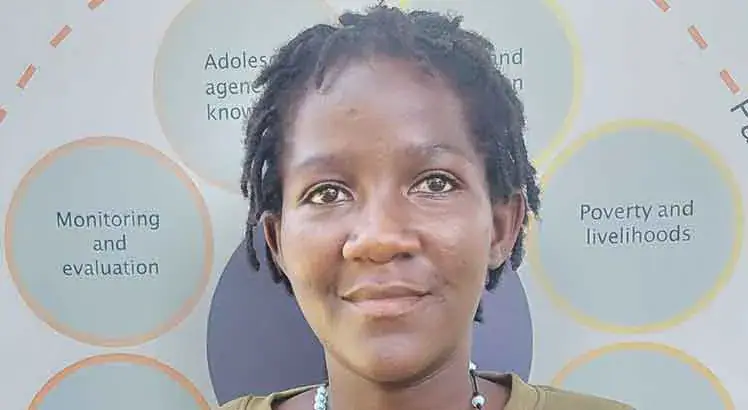
Bridget Tambala, Youth Network chairperson from Traditional Authority (T/A) Sitola, identified school dropouts, poverty, and limited knowledge of family planning services as key factors contributing to teenage pregnancies. She noted that some young people engage in sexual activities in exchange for money, while stigma and inadequate information prevent them from accessing sexual and reproductive health services. Tambala also highlighted that, as youths, they feel stigmatized and lack accurate information and the capacity to demand their sexual reproductive health rights.
In response to these challenges, the Machinga District Council, with support from Ipas, is implementing initiatives to address harmful cultural practices, change people's mindset, and encourage girls who become pregnant to return to school. Freda Mbwana, Machinga District Council director of social and community services, emphasized that the council's effort is driven towards implementing initiatives, together with partners, that help address harmful practices to end child marriages.
T/A Sitola has also expressed commitment to strengthening the fight against child marriages and teenage pregnancies. Chiefs in the area are working to formulate and enforce by-laws that discourage child marriages. This move is expected to bolster efforts to protect girls from early marriages and promote their education and well-being.
The issue of child marriages and teenage pregnancies in Machinga District requires a multi-faceted approach, involving government agencies, organizations, and community leaders. By working together, stakeholders aim to address the root causes of these challenges and create a supportive environment for girls to access education and healthcare. The district's efforts to combat child marriages and teenage pregnancies are crucial to ensuring the well-being and future prospects of its young population.
Key stakeholders are expected to intensify their collaboration to address the complex issues surrounding child marriages and teenage pregnancies in Machinga District. With a concerted effort, it is hoped that the district can make significant progress in reducing child marriages and teenage pregnancies, ultimately improving the lives of girls and young people in the area.
Key points
- Authorities in Machinga District recorded 1,081 child marriages in 2025.
- The teenage pregnancy prevalence in Machinga District stands at 33.8 percent among girls aged 15 to 19.
- Efforts to address child marriages and teenage pregnancies require stronger coordination among organizations working in the district.