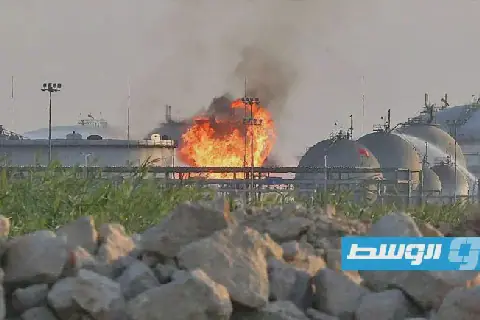
A chemical explosion at a US Army site in Iowa has raised concerns about safety and transparency. The blast, which occurred on the eve of Thanksgiving, released about 5 tons of lead azide into the air, potentially harming human brains, hearts, and kidneys. The explosion, which took place in a rural area, has left many residents, including farmer Sue Dyer, questioning the government's handling of the situation. Dyer's farm is located about 18 miles southwest of the detonation site, putting it directly in the plume's path.
Sue Dyer, who grows corn and beans on her typical Midwest farm, is waiting for test results from the government and independent labs to verify the safety of her land and produce. She expressed frustration with the lack of communication and transparency from officials, citing that some people in the area are certain they are fine, while others believe they are in danger. Dyer's brother, an environmental engineer, has advised her to be cautious, citing the chain of command and red tape involved in such situations.
The US Army detonated the explosive material to dispose of it safely, but the decision has sparked concerns about the potential impact on local residents and the environment. Before the detonation, officials warned that traces of the toxic substance could travel as far as 100 miles, affecting homes and farms in the surrounding area. Dyer and her family were only informed about the explosion last week, and were told to stay indoors for 24 to 48 hours without clear information about the plume's trajectory.
The potential impact of the explosion on Dyer's farm and produce is a significant concern. Her crops will eventually end up on tables across the country, raising questions about food safety. Dyer has had samples taken from her land before the explosion and plans to take more samples to verify whether her farm has been contaminated with lead. However, she acknowledges that it is impossible to avoid exposure if lead is present in the soil.
According to reports, lead tests of soil, water, and air samples have come back negative so far. While this news is encouraging, Dyer remains cautious, emphasizing the need for independent tests to confirm the results. She is also angry about the handling of the situation, attributing it to incompetence rather than malice. Dyer believes that the issue could have been handled more easily, given that the problem was identified as far back as 2009.
The explosion has affected Dyer's feelings of safety in her home, leaving her angry and frustrated. She has invited those responsible for the detonation to stay on her farm until the test results are available, highlighting her concerns about the government's response. Dyer's experience has underscored the importance of transparency and communication in emergency situations, particularly in rural areas where residents may be more vulnerable to environmental hazards.
As the situation continues to unfold, Dyer and her community will be watching closely for updates on the safety of their land and air. The incident has raised important questions about the handling of hazardous materials and the need for clear communication between authorities and residents. Key points include the need for transparency, concerns about food safety, and the importance of independent testing to verify the results.
Key points
- The US Army explosion released 5 tons of lead azide into the air
- Iowa farmer Sue Dyer is waiting for test results to verify the safety of her land
- The incident has raised concerns about food safety and the handling of hazardous materials