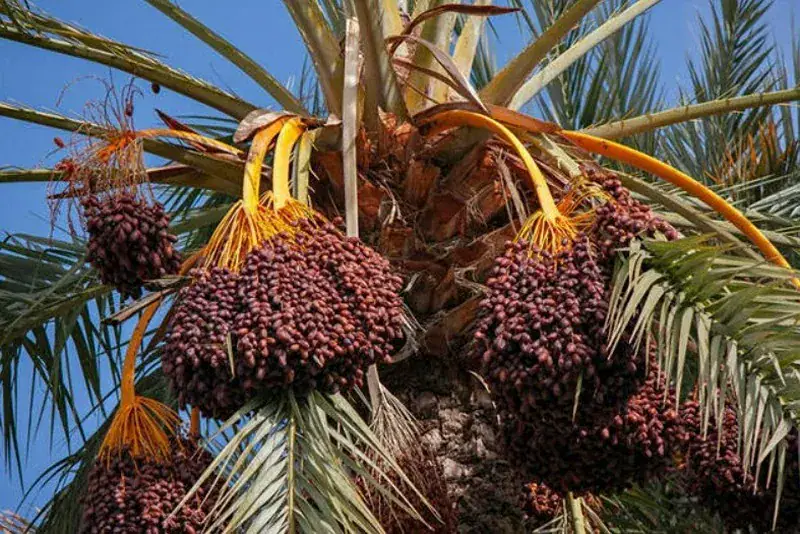
The Moroccan date palm sector is a strategic lever for the economic and social development of oasis regions, with the potential to generate significant value-added and create jobs. According to the Agricultural Development Agency (ADA), the sector can be transformed into a major driver of sustainable economic growth by accelerating investments, improving product valorization, and integrating innovation into the value chain. The ADA is calling for a more integrated economic model that can generate sustainable value-added for oasis territories.
The date palm sector is expected to play a significant role in Morocco's agricultural and economic development, with the national date harvest projected to reach nearly 177,000 tonnes in the 2026-2027 campaign, representing an 11% increase from the previous campaign. The sector also generates over 3.4 million man-days of work annually, making it a vital source of employment and income for rural communities. The Drâa-Tafilalet region accounts for 79% of the national harvest, followed by Souss-Massa (14%), the Oriental (4%), and Guelmim-Oued Noun (3%).
The ADA has identified significant potential for growth in the date palm sector, with around 10,000 hectares of land suitable for date palm cultivation yet to be developed. This presents an opportunity to attract new investments and support the expansion of the sector. To achieve this, the ADA is promoting investment opportunities and facilitating access to support mechanisms and existing accompaniment devices for operators. The goal is to encourage private sector investment in areas such as quality improvement, packaging, and marketing.
The date palm sector faces several challenges, including the need to modernize traditional agricultural development models and build a more structured, integrated, and competitive sector. The ADA is working to address these challenges through the implementation of the Génération Green 2020-2030 strategy, which aims to transform the sector into a more sustainable and competitive industry. This involves improving the quality of dates, developing packaging capacities, and strengthening the cold chain.
Water management and innovation are critical to the long-term sustainability of the date palm sector. The ADA emphasizes the need for efficient water resource management, the integration of new technologies, and the development of knowledge and human capital to strengthen the resilience of oases and improve the attractiveness of the sector to investors. The ADA is working to promote a governance approach that takes into account these different factors.
The 15th edition of the International Date Fair in Morocco (SIDATTES 2026) was held in Erfoud from October 28 to November 1, 2026, under the patronage of King Mohammed VI. The event brought together over 230 Moroccan and foreign exhibitors and was expected to attract over 100,000 visitors. The fair provided a platform for stakeholders to discuss investment opportunities and innovation in the date palm sector.
The SIDATTES 2026 event highlighted the importance of mobilizing public and private actors around a common objective: making the date palm sector a driver of value creation and sustainable territorial development. The ADA and other stakeholders are working to promote investment and innovation in the sector, with a focus on sustainable development and job creation in oasis regions.
Key points
- The Moroccan date palm sector requires accelerated investment and innovation to boost competitiveness and drive sustainable economic growth in oasis regions.
- The sector has significant potential for growth, with around 10,000 hectares of land suitable for date palm cultivation yet to be developed.
- Water management and innovation are critical to the long-term sustainability of the date palm sector.