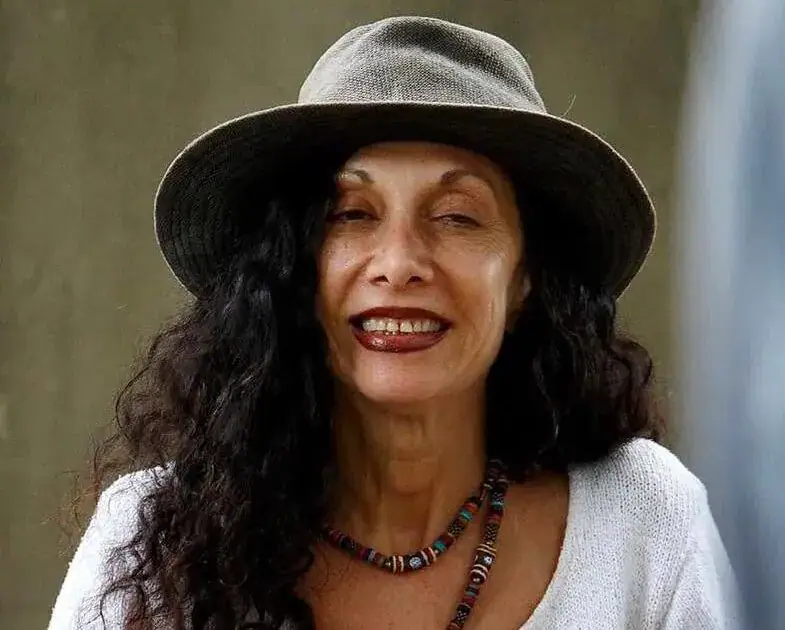
Investigative journalist Hazel Friedman has published a book, The Devil Wears Sneakers, examining Jeffrey Epstein's connections to South Africa. Epstein, a wealthy American financier, sexually abused girls and young women and operated a sex-trafficking network. He died in a New York jail in August 2019 while awaiting trial on federal sex-trafficking charges. Friedman's research reveals Epstein's significant footprint in South Africa, extending beyond the women he recruited and abused.
Friedman was motivated to investigate Epstein after meeting South African survivor Juliette Bryant in December 2022. Bryant's experiences linked Epstein's activities in South Africa to his international operations and the failure to hold him accountable. Friedman identified several South African survivors, including women recruited locally, and found evidence of Epstein's attempts to establish business relationships and gain access to political circles. Her research suggests Epstein's interests extended across the African continent.
Epstein's 2002 trip to South Africa with former United States president Bill Clinton was a widely reported event in his history. Clinton was visiting as part of an African HIV/AIDS awareness and economic development tour. Friedman described Epstein as a criminal opportunist whose associations crossed national, political, and social boundaries. She emphasized that Epstein's Jewish identity had no bearing on her decision to investigate him, and she rejected the suggestion that his religious or ethnic background explained his behavior.
Friedman found evidence suggesting Epstein had been in South Africa during the late 1980s and possibly the 1990s. However, she acknowledged that she had not investigated every potential connection. She hopes the book will encourage further research into these relationships. Friedman discussed possible links between Epstein's network and intelligence figures, including Robert Maxwell, but said she had been unable to investigate this dimension as extensively as she would have liked.
Verifying information was one of the most demanding aspects of writing the book. Friedman examined correspondence, documents, photographs, and flight logs connected to Epstein and his associates. She used resources such as Jmail and the Epstein Files Archive to examine documents and other records. Friedman searched correspondence for names and references connected to Cape Town, South Africa, and the wider African continent.
The research exposed Friedman to the institutions and organizations that she believes helped Epstein maintain access to influential circles. She said one man could not have operated on such a scale without an environment that enabled his behavior. Friedman's investigation isn't presented as a final account of every South African connection, and she said new information had emerged since she completed the manuscript, leaving parts of the story unresolved.
Friedman emphasized that the experiences of survivors remain central to her work. She described how predators can gradually exploit vulnerabilities, aspirations, and trust rather than relying on the image of a threatening stranger. Friedman hopes her book will help survivors in South Africa feel able to come forward and prompt further investigation into people and institutions that may have enabled Epstein.
Key points
- Epstein's connections to South Africa extended beyond the women he recruited and abused, with evidence of business relationships and access to political circles.
- Friedman identified several South African survivors, including women recruited locally.
- The book aims to encourage further research into Epstein's relationships and enable survivors to come forward.
Reporting sources
- Epstein’s SA connections explored in new book · Jewish Report