A Facebook post by Hausaland Magazine on August 21, 2026, claimed that a conflict between Fulani and Kambari communities in Niger State had resulted in multiple deaths. The post sparked widespread concern and debate on social media, with many users expressing their opinions on the matter. However, an investigation by DUBAWA found that the claim was misleading and did not accurately reflect the situation on the ground. The post had garnered significant attention, with 212 people showing interest, 119 reacting, and 42 re-sharing it.
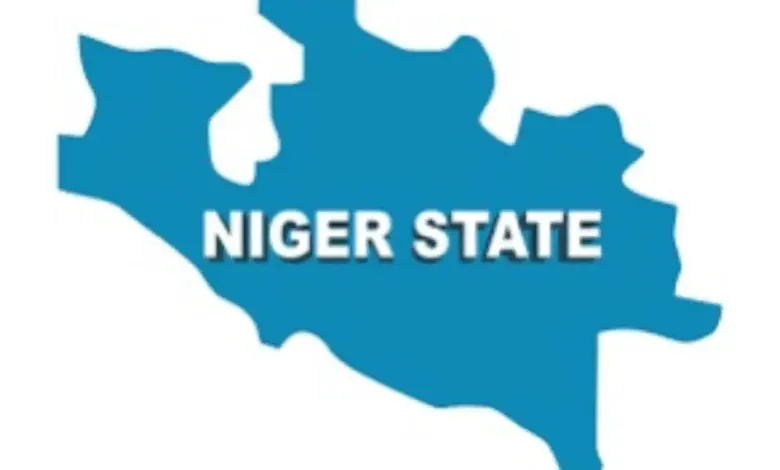
DUBAWA's investigation revealed that the conflict in Niger State involved not just two but three communities: Fulani, Kambari, and Bargawa. Reports from reputable sources, including Vanguard, Sun newspaper, THISDAY, and The Guardian, confirmed that the conflict occurred in the Borgu and Agwara local government areas of Niger State. The conflict was attributed to a land dispute and had resulted in the deaths of over 20 people and the displacement of over 300 others.
The investigation found that the conflict was not a recent development, as claimed by Hausaland Magazine, but rather a longstanding issue that had been ongoing for some time. The reports from various sources also confirmed that the conflict involved the three communities mentioned earlier, not just Fulani and Kambari. The Catholic Church had also weighed in on the matter, with the Bishop of Kontagora Diocese and President of the Nigerian Catholic Church in Niger State, Bishop Bulus Yohanna, calling for calm and peaceful resolution.
The DUBAWA investigation was conducted under the Center for Journalism Innovation and Development (CJID) project, with funding from the European Union. The investigation aimed to verify claims and provide accurate information to the public. The findings revealed that the Hausaland Magazine post was false and had the potential to incite further conflict and violence.
The conflict in Niger State highlights the need for accurate and responsible reporting, particularly on sensitive issues like communal conflicts. Misinformation and disinformation can have serious consequences, including exacerbating existing tensions and leading to further violence. The investigation underscores the importance of fact-checking and verification in journalism.
The reports from various sources also highlighted the humanitarian impact of the conflict, with many people displaced and in need of assistance. The situation in Niger State remains volatile, and efforts are needed to address the root causes of the conflict and promote peaceful coexistence among the affected communities.
In conclusion, the DUBAWA investigation revealed that the Hausaland Magazine post was false and misleading. The conflict in Niger State involves three communities, not two, and has been ongoing for some time. The investigation highlights the need for accurate and responsible reporting, particularly on sensitive issues like communal conflicts.
Key points
- - The conflict in Niger State involves Fulani, Kambari, and Bargawa communities, not just Fulani and Kambari. - The conflict is not a recent development but has been ongoing for some time. - Misinformation and disinformation can have serious consequences, including exacerbating existing tensions and leading to further violence.