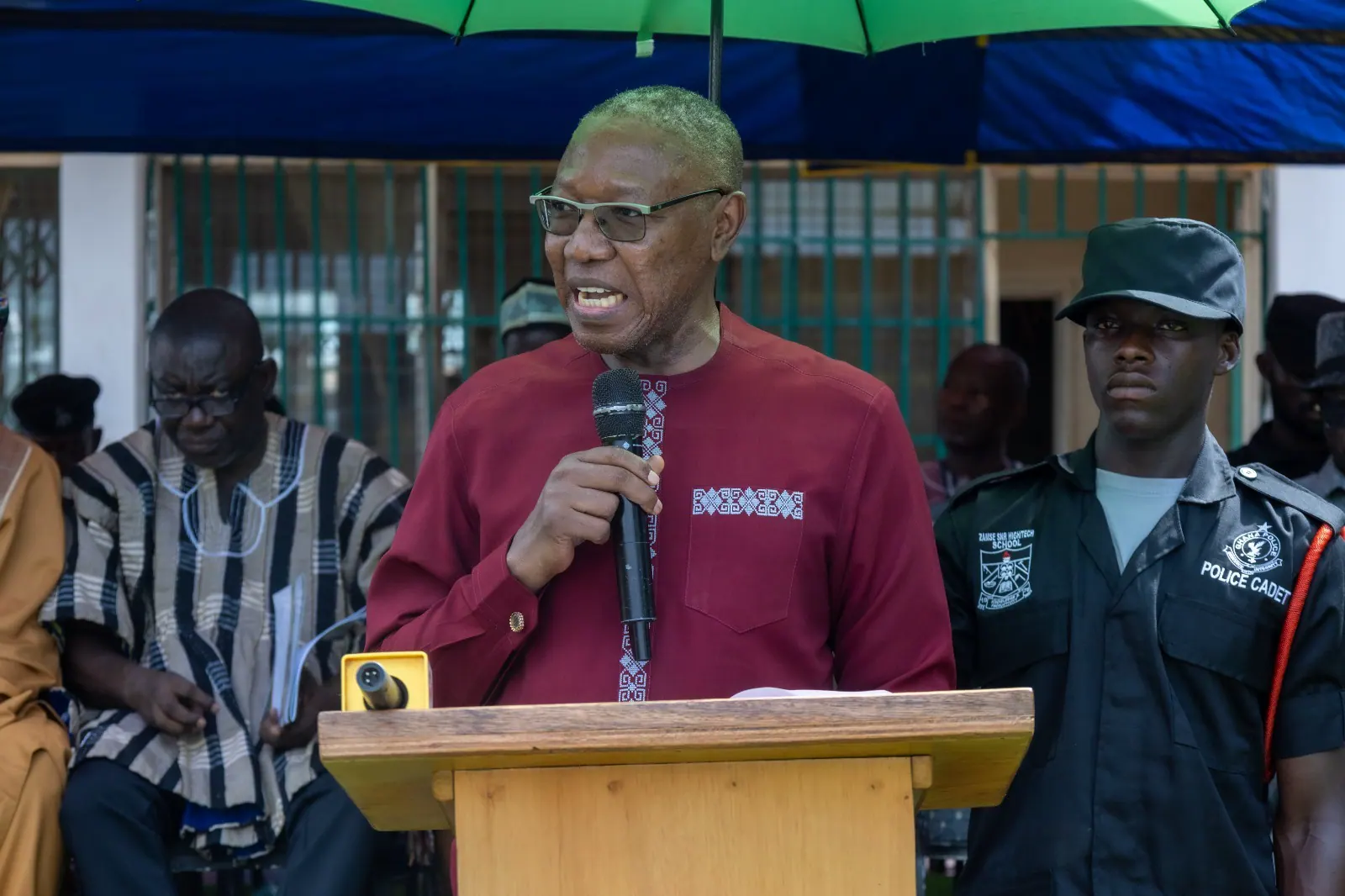
Deputy Minister for Education Dr Clement Abas Apaak has called on media organisations to invest in journalists, enabling them to produce credible investigative and development journalism. He emphasised that this requires adequate resources, access to information, and strong editorial oversight. Speaking at the 5th Upper East Regional Ghana Journalists Association (GJA) Awards in Bolgatanga, Dr Apaak highlighted the importance of supporting journalists to hold public institutions accountable.
Dr Apaak stressed that journalists cannot be expected to produce quality accountability stories without necessary support from their newsrooms. He stated that journalists need sufficient time, transport, and access to information to investigate issues thoroughly. Additionally, editors must be prepared to question the evidence supporting their reports, routinely challenging reporters to establish the sources of figures, seek responses from people or institutions mentioned in their stories, and verify claims before publication.
The Deputy Minister urged public institutions to respond constructively when journalists raise questions about public services, development projects, and the management of public resources. He argued that a journalist's question is not automatically an attack, but rather a legitimate accountability concern. Dr Apaak emphasised that public institutions exist to serve citizens and have a responsibility to provide credible answers when questions are raised about their performance.
Dr Apaak reminded journalists that their responsibility to hold institutions accountable must be matched by a commitment to accuracy, fairness, and verification. He stated that reporters must give individuals and institutions opportunities to respond to allegations and correct mistakes when they occur. This approach will help maintain public confidence in media reporting and strengthen the credibility of journalism.
The Deputy Minister further urged journalists in the Upper East Region to pursue sustained reporting on issues affecting communities, particularly in health, education, agriculture, water, and sanitation. He encouraged them not to abandon stories after reporting initial developments but to continue examining whether promises have been fulfilled and public resources have produced the intended results.
Dr Apaak was the Special Guest of Honour at the 5th Upper East Regional GJA Awards, which recognised journalists for their contributions to public-interest reporting and development in the region. The event highlighted the importance of media scrutiny in promoting accountability and good governance. By investing in journalists and treating media scrutiny as legitimate accountability concerns, public institutions can foster a more transparent and accountable environment.
The Deputy Minister's remarks were made in the context of the region's development challenges, including inadequate access to education, healthcare, and basic infrastructure. He emphasised that addressing these challenges requires sustained reporting and a collaborative approach between journalists, public institutions, and citizens. By working together, stakeholders can promote more effective use of public resources and improved service delivery.
Key points
- Dr Apaak calls for media organisations to invest in journalists to produce credible investigative and development journalism.
- Public institutions should treat legitimate questions from reporters as accountability concerns rather than attacks.
- Journalists should pursue sustained reporting on issues affecting communities, particularly in health, education, agriculture, water, and sanitation.