Interpol's synthetic-drug operation, Lionfish-Mayag IV, ran from May 18 to June 4 across 17 nations, resulting in 7,247 seizures valued at over $1.1 billion and the removal of an estimated 89.6 million fatal doses from consumer markets. The operation was a significant effort to combat the global synthetic drug trade. The seizures were a major blow to traffickers and manufacturers. The operation's success highlights the ongoing efforts of law enforcement agencies worldwide.
The raid seized a total of 650 tonnes of drugs, precursors, and pharmaceutical products, marking the first Interpol operation in which ketamine overtook methamphetamine in seizure volume. Ketamine accounted for 17 tonnes of the haul, representing about 40 percent of the total seizure value. This shift was linked to lower prices and easier manufacturing compared with other substances. The increase in ketamine seizures is a concerning trend.
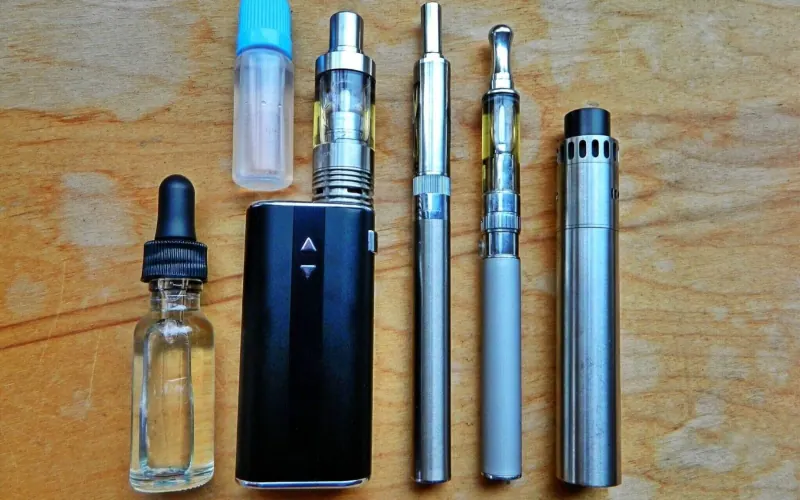
The operation also uncovered a growing market for vape-based drugs, seizing 724 kg of dimethyltryptamine (DMT) – the largest DMT quantity ever reported in a police action – in liquid form intended for vaping. This significant seizure highlights the emergence of new substances in the global market. The vape-based drug market is a rapidly evolving threat.
Indonesia reported the seizure of 1,975 litres of etomidate, an anaesthetic repurposed for recreational vaping, highlighting the emergence of such substances in Asian markets. The growing popularity of vape-based drugs is a concern for law enforcement agencies. The substances are often disguised as legitimate products.
Interpol noted that Europe serves as a secondary repackaging hub, with small parcels containing ketamine, cocaine, and DMT being dispatched from the continent to markets in Australia and the United States. The operation identified Southeast Asia, particularly the Mekong region, as the epicentre of synthetic-drug manufacturing. This region has been a hotspot for synthetic drug production.
The operation also uncovered a previously undocumented South America-to-China maritime route for cocaine and other substances. This new route highlights the adaptability of traffickers and the need for continued cooperation between law enforcement agencies. The discovery was a significant finding.
Kenya's National Authority for the Campaign Against Alcohol and Drug Abuse (NACADA) has flagged ketamine and other emerging synthetics as substances of abuse, reflecting the global trend highlighted by the Interpol raid. David Caunter, Interpol's Director of Organised and Emerging Crime, said the surge in ketamine seizures and the growth of vape-based drugs illustrate how rapidly the synthetic-drug trade is evolving.
Key points
- The operation resulted in 7,247 seizures valued at over $1.1 billion.
- Ketamine accounted for 17 tonnes of the haul, representing about 40 percent of the total seizure value.
- The operation seized 724 kg of dimethyltryptamine (DMT) in liquid form intended for vaping.