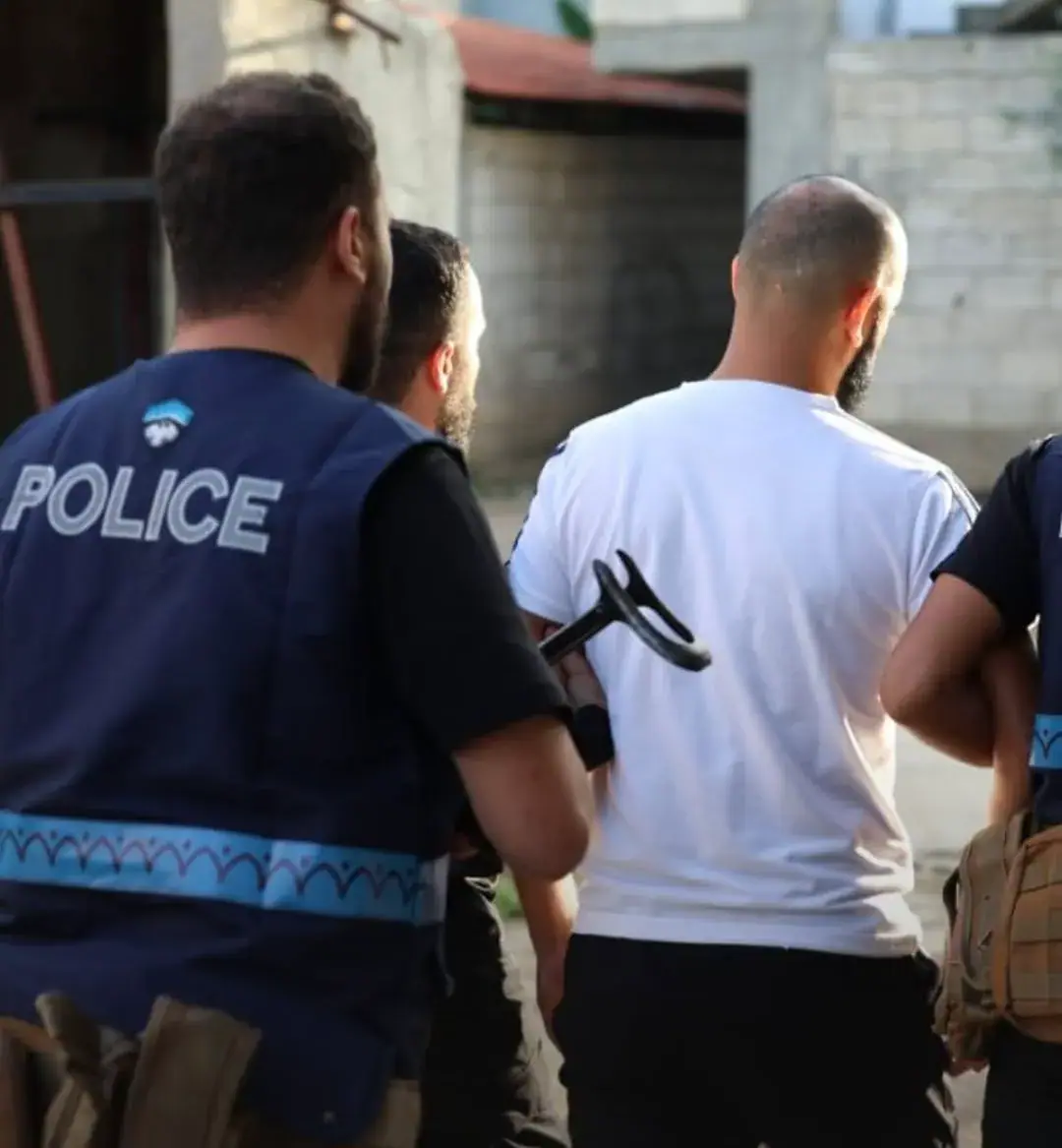
INTERPOL has announced the results of its operation Communis Maris, a four-day international effort to combat migrant trafficking in the Mediterranean and along the West African Atlantic route. The operation, which took place from October 5-8, 2026, involved 16 countries and resulted in the arrest of 262 suspects. Of these, 221 are being prosecuted for migrant trafficking, 16 for human trafficking, and 25 for other offenses, including the production and use of false documents.
The operation also led to the identification of 41 organized criminal groups involved in migrant trafficking and the opening of 434 new investigations. A total of 7,660 officers were deployed to monitor over 378,000 people, surveil sensitive areas, and reinforce security at key transit points. In addition, 210,594 consultations of INTERPOL's databases were conducted to facilitate the identification of suspects and the sharing of intelligence among participating countries.
According to INTERPOL, the operation targeted migrant trafficking networks operating between Africa, Europe, and the Middle East. The Mediterranean remains one of the deadliest migration routes in the world, with traffickers exploiting the vulnerability of migrants and exposing them to abuse, extortion, and dangerous sea crossings. David Caunter, INTERPOL's director of organized and emerging crime, emphasized that combating these networks is a major challenge in protecting human lives.
Several notable interventions were recorded during the operation. In southern Morocco, authorities intercepted a boat carrying 70 potential migrants, including 30 minors, after six days at sea. Off the coast of Mauritania, a wooden pirogue carrying 80 passengers, including two children, was intercepted following a tip from Senegalese authorities. Three suspected organizers were arrested in connection with this intervention.
The operation also involved the rescue of 34 potential victims of human trafficking in Libya and the arrest of three people suspected of belonging to a network involved in trafficking, migrant smuggling, and extortion. In Tunisia, law enforcement prevented a clandestine departure and arrested three nationals suspected of human trafficking. A boat, outboard motor, and various equipment were seized.
The investigation did not limit itself to maritime crossings. Controls were also strengthened at airports to combat the use of false travel documents and the financial circuits feeding criminal networks. In Cyprus and Greece, arrests were made at airports for attempts to use false documents. In Morocco, a person suspected of manufacturing false passports and recruiting irregular migration candidates was arrested.
The results of the operation are expected to lead to further judicial progress, additional arrests, and the dismantling of more networks in the coming weeks and months. The operation was supported by Europol, Frontex, AFRIPOL, the International Organization for Migration (IOM), and the United Nations Office on Drugs and Crime (UNODC), with funding provided by the European Union under the Himaya project.
Key points
- 262 suspects arrested in INTERPOL's operation Communis Maris against migrant trafficking networks.