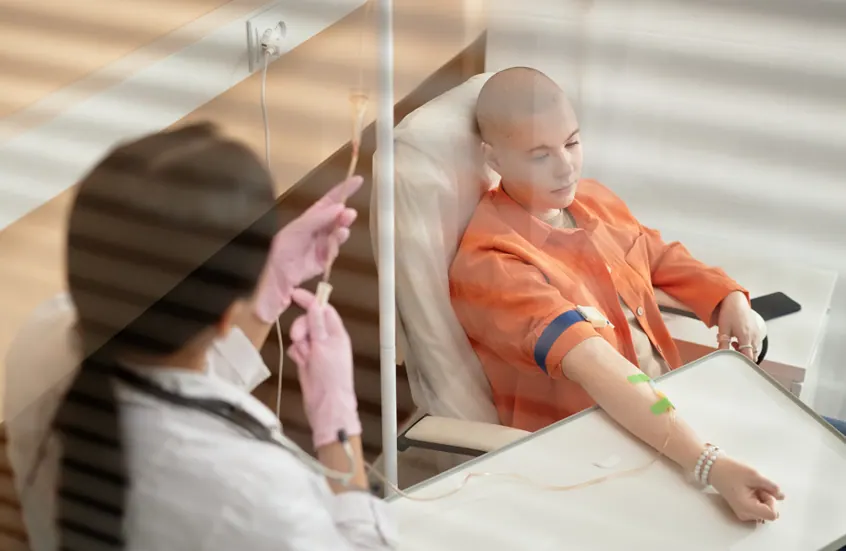
A recent study conducted by the World Cancer Research Fund has raised alarm about the increasing rates of cancer among young people under the age of 50. The study analyzed data from England, the United States, and the Netherlands, revealing substantial increases in early-onset cancer cases. In England, seven types of cancer showed significant increases, while in the US, five types of cancer had rising rates, and in the Netherlands, four types of cancer were on the rise.
Although cancer remains more prevalent among older adults, with the average age of diagnosis exceeding 60, the rates of cancer among younger individuals are increasing at a faster pace. England and the US recorded notable rises in cancers of the intestines, kidneys, uterus, pancreas, breast, prostate, and liver. Conversely, the rates of lung cancer decreased in all three countries, coinciding with a decline in smoking rates.
The World Cancer Research Fund attributes the current trend to lifestyle factors such as rising obesity rates, poor nutrition, lack of physical activity, and alcohol consumption, as well as exposure to pollutants, chemicals, and contaminated air and water. According to the fund, approximately 40% of cancer cases are linked to modifiable risk factors.
Mark Lawler, a professor of digital health and cancer genomics at Queen's University Belfast, warned that these developments represent a "ticking time bomb" that will continue to escalate unless addressed promptly. The fund's executive director of research, Giota Mitrou, described the trend as concerning, given the need for early confrontation with the disease.
Detailed statistics from England revealed a significant increase in prostate cancer among men under 50, rising from one case per 100,000 people in 2001 to 3.6 cases in 2023. Intestinal cancer also rose from 3.9 to 8.4 cases, while uterine and kidney cancer cases doubled to 3.9 and 3 cases, respectively. Breast cancer cases increased from 42 to 47.5 cases per 100,000 people.
In the US, kidney cancer among the same age group rose from 2.5 cases in 2000 to 5.3 cases in 2023. Intestinal, uterine, and pancreatic cancers increased by over 50%, and breast cancer by approximately 20%. The Netherlands also recorded significant increases in intestinal, kidney, liver, and cervical cancers.
The study's findings emphasize the need for urgent attention to address the rising cancer rates among young people. By understanding the causes and risk factors, healthcare professionals and policymakers can work together to develop effective strategies for prevention, early detection, and treatment.
Key points
- A recent global study reveals a concerning increase in cancer cases among individuals under 50.
- Lifestyle factors such as rising obesity rates, poor nutrition, and lack of physical activity contribute to the rising cancer rates.
- The study's findings emphasize the need for urgent attention to address the rising cancer rates among young people.