The International Energy Agency, in its annual report "World Energy Outlook," has cautioned that the crisis in the Middle East, which began in February, constitutes the greatest threat to energy security in history. The agency notes that this crisis will have lasting impacts on global markets, similar to previous energy shocks. Consumers are paying an increasingly high price due to this crisis, with limited options to mitigate the effects of supply disruptions.
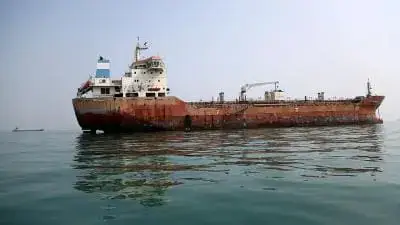
The report highlights that countries in the Gulf region are facing challenges in exporting oil due to strict navigation restrictions imposed by Iran in the Strait of Hormuz, a vital waterway that previously accounted for around a fifth of global oil and liquefied natural gas shipments. Despite US escorts for an increasing number of ships crossing the strait, supplies continue to be severely disrupted. This has resulted in households bearing a larger share of the cost, given the reduced capacity of the world to cushion the impact of the conflict.
According to Fatih Birol, Director of the International Energy Agency, the crisis in the Strait of Hormuz has posed the greatest threat to energy security in history, surpassing the magnitude of the oil shocks in the 1970s. Birol notes that several countries have made efforts to mitigate the impact of the crisis on consumers, including releasing additional supplies and finding alternative routes for their shipments. However, consumers have still faced rising prices and, in some cases, supply shortages despite government measures.
The report outlines three main scenarios for future projections: the first based on current policies, the second including announced but not yet adopted policies, and the third assuming net global emissions reach zero by 2050. Under the second scenario, the agency expects global oil demand to peak around 2030 before gradually declining, while gas demand continues to increase until around 2035. These projections indicate that the crisis will have long-term effects on global energy markets.
The International Energy Agency emphasizes that the longer the crisis persists, the more severe its repercussions will be. The agency excludes the possibility of a reliable path for the energy sector to return to pre-crisis conditions, despite the resilience shown by the energy sector and the global economy. This suggests that the crisis will have a lasting impact on global energy markets and consumers.
The report also notes that China has reduced its purchases on global markets, and countries have deployed efforts to mitigate the impact of the crisis on consumers. However, the agency stresses that there is no straightforward solution to address the crisis, and its effects will be felt for some time. The International Energy Agency's warnings highlight the need for urgent attention to address the crisis and its implications for global energy security.
The crisis has already had significant effects on global energy markets, with consumers facing higher prices and supply disruptions. The International Energy Agency's report underscores the need for a coordinated response to address the crisis and mitigate its impacts on consumers. The agency's projections and warnings emphasize the importance of developing strategies to address the crisis and ensure energy security in the face of ongoing disruptions.
Key points
- The crisis in the Middle East poses the greatest threat to energy security in history.
- The International Energy Agency expects global oil demand to peak around 2030 before gradually declining.
- The crisis will have lasting impacts on global energy markets and consumers.