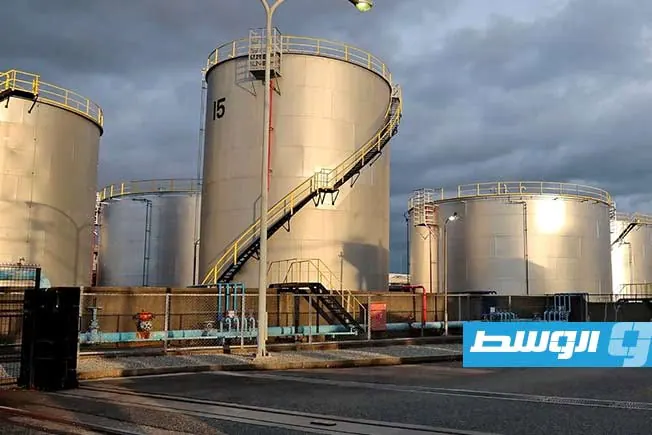
The International Energy Agency (IEA) has agreed to accelerate the release of 100 million barrels of oil from strategic reserves to address rising fuel prices and supply disruptions. This decision was made to support governments in their efforts to mitigate the impact of high fuel prices and supply chain disruptions caused by the conflict in the Middle East. The IEA's move aims to provide relief to countries struggling with increasing energy costs.
The IEA's decision to release oil from strategic reserves was made in response to the ongoing conflict in the Middle East and its impact on global oil supplies. The agency's Executive Director, Fatih Birol, stated that member countries have sufficient reserves to meet emergency needs. The IEA's members still have around 1.1 billion barrels of oil in reserve, including over 200 million barrels of diesel. This reserve is intended to be used in case of emergencies to stabilize oil markets.
The IEA's move is also focused on prioritizing diesel supplies, as there is currently a significant shortage in the market. Birol emphasized that the agency's members are willing to release more oil from their reserves if needed. The decision to prioritize diesel supplies comes as the global market faces a shortage of refined products, including diesel. The conflict in the Middle East has disrupted production at refineries in the region and Russia, further exacerbating the shortage.
The IEA's announcement comes after the G7 countries agreed to release 100 million barrels of oil from their strategic reserves in coordination with the agency. This release is intended to mitigate the impact of the conflict in the Middle East on global supply chains. The IEA's members have already released 325 million barrels of oil and petroleum products from their strategic reserves, out of a pledged 400 million barrels.
The global oil market is facing significant challenges due to the conflict in the Middle East. The CEO of Saudi Aramco, Amin Nasser, recently warned that global oil reserves are "alarmingly low." He emphasized that the current situation is concerning, with limited spare capacity to meet demand. Nasser's comments highlight the need for continued cooperation among oil-producing countries to stabilize the market.
The IEA's decision to accelerate the release of oil from strategic reserves is seen as a necessary step to address the current market challenges. The agency's move is intended to provide relief to countries struggling with high fuel prices and supply disruptions. The global oil market is closely watching the developments in the Middle East, as any further disruptions could have significant implications for global energy supplies.
The release of oil from strategic reserves is also seen as a way to mitigate the impact of high fuel prices on the global economy. The IEA's decision is expected to help stabilize oil markets and provide relief to countries struggling with increasing energy costs. The agency's move is a significant step towards addressing the current challenges facing the global oil market.
Key points
- The International Energy Agency agrees to accelerate the release of 100 million barrels of oil from strategic reserves.
- The IEA's move aims to address rising fuel prices and supply disruptions caused by the conflict in the Middle East.
- The agency's members still have around 1.1 billion barrels of oil in reserve, including over 200 million barrels of diesel.