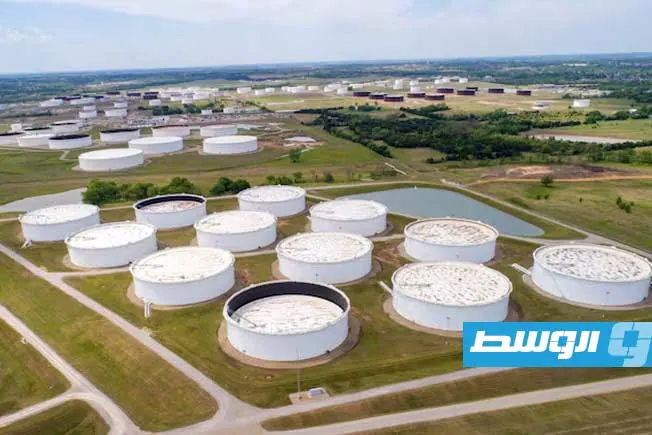
The International Energy Agency (IEA) announced on Saturday that its member countries have released 325 million barrels of oil and petroleum products from strategic reserves. This move is part of a commitment made in March to release 400 million barrels. The decision was made to alleviate concerns about global energy supplies following the conflict in the Middle East. The IEA's member countries, including those in the G7, agreed to release these reserves to stabilize the market.
The G7 countries, along with the IEA, agreed to release 100 million barrels of oil and petroleum products over the next four months. This includes an early release of a significant amount of diesel fuel within the first 20 days. The agreement aims to address the sharp increase in energy prices caused by the conflict. The release of diesel fuel is expected to help alleviate the shortage of this essential product.
The conflict in the Middle East has had a significant impact on global energy supplies. Iran's restriction on ship movements through the Strait of Hormuz and Ukrainian attacks on Russian oil refineries have contributed to the shortage of diesel fuel. The US administration, under President Donald Trump, has been pressuring European allies to release their diesel reserves to help alleviate the shortage.
The IEA's announcement stated that the 325 million barrels released so far represent over 80% of the initial commitment of 400 million barrels. The agency's member countries, including the G7 nations, made the commitment in March. The G7 countries that are part of the IEA include Britain, Canada, France, Germany, Italy, Japan, and the United States.
The release of oil and petroleum products from strategic reserves is aimed at stabilizing the global energy market. The move is expected to help alleviate the sharp increase in energy prices caused by the conflict in the Middle East. The IEA's decision to release these reserves is part of a broader effort to ensure that global energy supplies remain stable.
The US administration has been working closely with its European allies to address the energy shortage. President Trump had threatened to impose a ban on diesel fuel exports, but the G7 countries have agreed not to impose such a ban. This agreement is seen as a significant step towards resolving the energy shortage.
The global energy market is expected to continue to face challenges in the coming months. The conflict in the Middle East and other geopolitical tensions are likely to impact energy supplies. However, the release of oil and petroleum products from strategic reserves is expected to help alleviate some of the pressure on the market.
Key points
- The International Energy Agency's member countries have released 325 million barrels of oil and petroleum products from strategic reserves.
- The G7 countries have agreed to release 100 million barrels of oil and petroleum products over the next four months.
- The release of oil and petroleum products from strategic reserves aims to stabilize the global energy market and alleviate the sharp increase in energy prices.