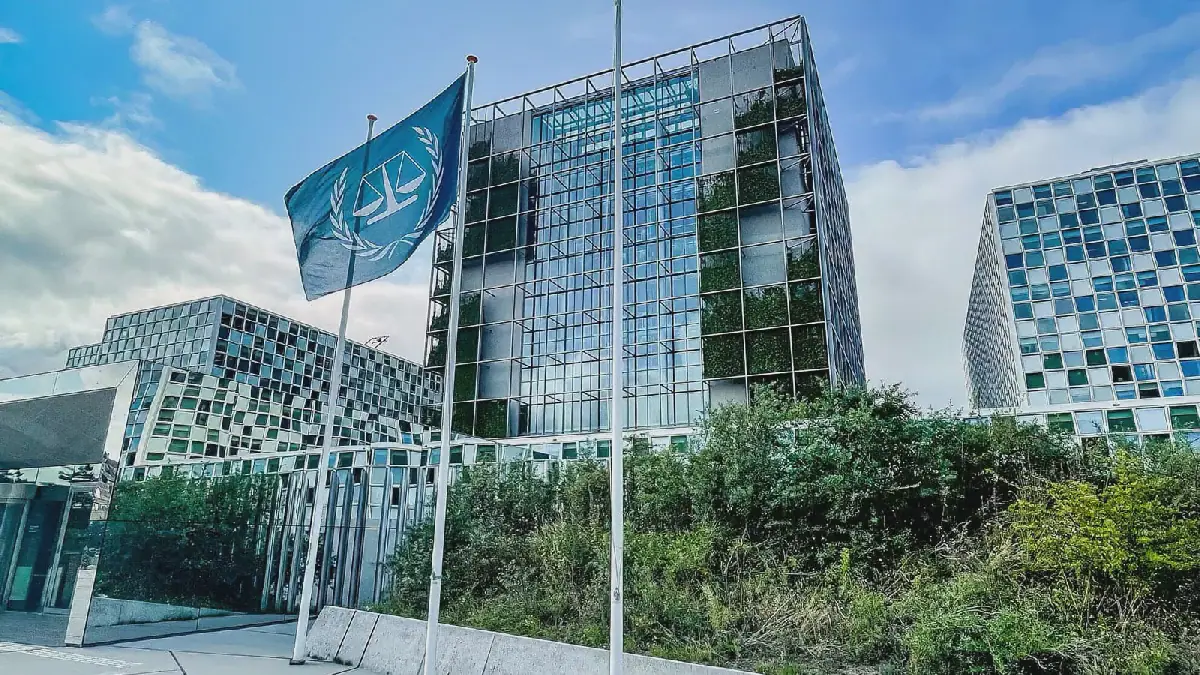
The UN Security Council has expressed mixed opinions on the role of the International Criminal Court (ICC) in Libya. During a briefing on November 19, ICC Acting Prosecutor Mamandy Nianng presented updates on investigations and trials related to crimes committed in the country. The ICC's preliminary chamber confirmed 17 charges of war crimes against Khalid Mohammed Ali al-Hishri, a former official at the Mitiga prison, including murder, torture, persecution, and rape.
Nianng stated that al-Hishri's trial is set to begin in May 2027 and that investigations into crimes committed between 2014 and 2020 are ongoing. He also noted that violations against migrants are being examined. The ICC Acting Prosecutor praised cooperation with Libyan authorities, civil society, and international investigators. However, he expressed concern about Osama Najim's continued freedom despite information suggesting he is being held in Libya.
Denmark, France, and the UK expressed support for the ICC's efforts during the Security Council meeting. They also criticized US sanctions imposed on the court. In contrast, the US stated that it rejects the ICC's assertion of jurisdiction over countries without their consent. Russia called for the withdrawal of the Libyan case from the ICC, accusing the court of politicization.
China, Bahrain, and Somalia emphasized the importance of strengthening national institutions and respecting Libya's judicial sovereignty. Other countries, including Liberia, Greece, Colombia, and Latvia, urged the implementation of arrest warrants and protection for witnesses and victims. They stressed that efforts to achieve political stability should not compromise justice.
The ICC's investigation into crimes committed in Libya is ongoing. The court's preliminary chamber has confirmed charges against several individuals, including al-Hishri. The ICC Acting Prosecutor has expressed appreciation for cooperation with Libyan authorities and international partners.
The UN Security Council's differing views on the ICC's role in Libya reflect the complexities of international justice. Some countries have expressed concerns about the court's jurisdiction and the potential impact on national sovereignty. Others have emphasized the importance of accountability for international crimes.
The ICC's work in Libya is ongoing, with investigations and trials continuing in the coming years. The court's efforts aim to bring perpetrators of international crimes to justice and provide accountability for victims. The international community will be watching closely as the ICC's work in Libya unfolds.
Key points
- The UN Security Council has expressed mixed opinions on the role of the International Criminal Court in Libya.
- The ICC's investigation into crimes committed in Libya is ongoing, with several individuals facing charges.
- The international community is divided on the ICC's jurisdiction and its impact on national sovereignty.
Reporting sources
- انقسام دولي بشأن دور الجنائية الدولية في ليبيا · Libya Al Ahrar TV