Today, the world comes together to observe the International Day of the Girl Child, with a call to action to end child marriage and invest in girls' rights. According to UNICEF's 2026 estimates, about one in five girls worldwide is married before the age of 18, totaling roughly 650 million women and girls alive today who were married as children. More than 12 million girls are still married each year, with sub-Saharan Africa having the highest prevalence at 31 per cent.
In Nigeria, 23.6 million women and girls were married before the age of 18, the largest number in West and Central Africa. The situation is particularly dire in parts of the North, where 78 per cent of women aged 20-49 were first married before 18 in Jigawa, and 63 per cent of women left school to marry. The consequences of inaction are severe, with estimated losses of up to $175 billion a year, or almost $2.5 trillion by 2040, from lost productivity and higher health risks caused by child marriage.
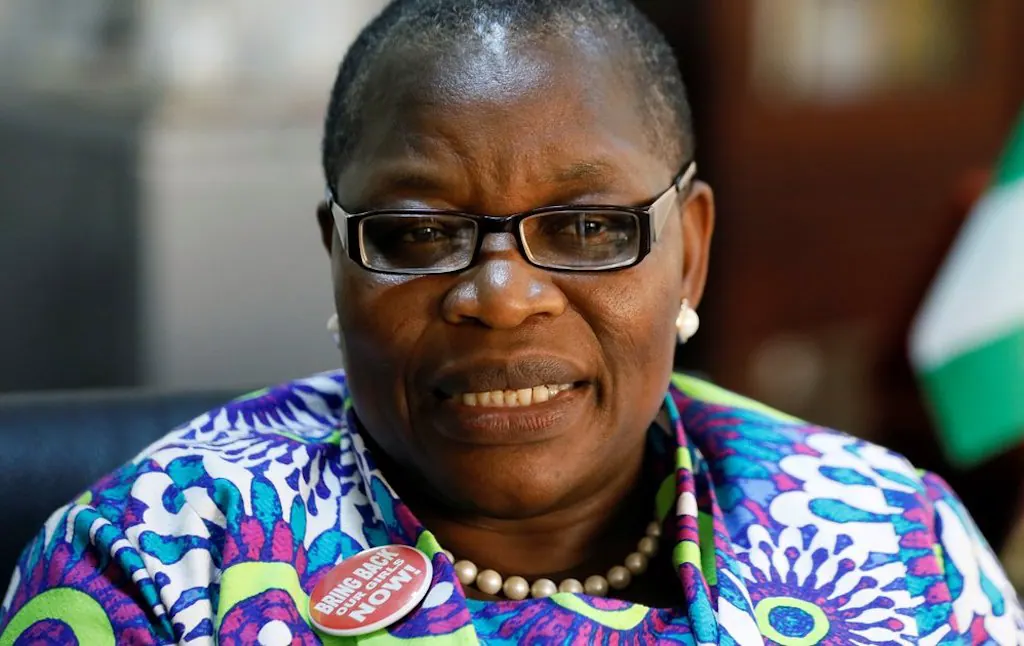
Obiageli "Oby" Ezekwesili, a member of the advisory council behind Columbia University's report Accelerating Efforts to End Child Marriage, emphasizes that child marriage is not a side issue in development, but rather drains a nation's human capital directly. The report highlights that progress is possible, with an estimated 68 million child marriages averted over the past 25 years through girls' education, legal reform, and social protection.
Ezekwesili, also the leader of Human Capital Africa, stresses that a girl who learns is a girl who is not a bride. She argues that foundational literacy and numeracy are the first and cheapest protection a girl has, and that community programs and advocacy are not enough on their own to address the issue. Governments must lead, she says, by making foundational learning a girl-protection policy and guaranteeing the move into secondary school.
Human Capital Africa is calling on African governments to take concrete actions to address child marriage, including making foundational learning a girl-protection policy, guaranteeing the move into secondary school, and tracking girls' learning, transition to secondary school, and child marriage rates in national accountability systems. The African Union's Decade of Education provides a continental mandate for the next ten years, and Ezekwesili will press for girls' learning and retention to be at the center of how the Decade's success is measured.
The Columbia report sets a realistic target of cutting child marriage prevalence from one in five to one in seven within five years. Africa can lead the way to achieving this target, but only if every girl's classroom is treated as the place where her childhood is protected. Ezekwesili emphasizes that any girl-child should be a student, not a bride, and that she should learn, then lead.
As the world marks the International Day of the Girl Child, leaders and organizations are reiterating their commitment to ending child marriage and investing in girls' education and rights. With the right policies and actions in place, it is possible to eliminate child marriage and ensure that every girl has the opportunity to learn, grow, and thrive.
Key points
- Child marriage affects 650 million women and girls worldwide, with 12 million girls still married each year.
- Investing in girls' education and skills development can help eliminate child marriage.
- African governments must take concrete actions to address child marriage, including making foundational learning a girl-protection policy.