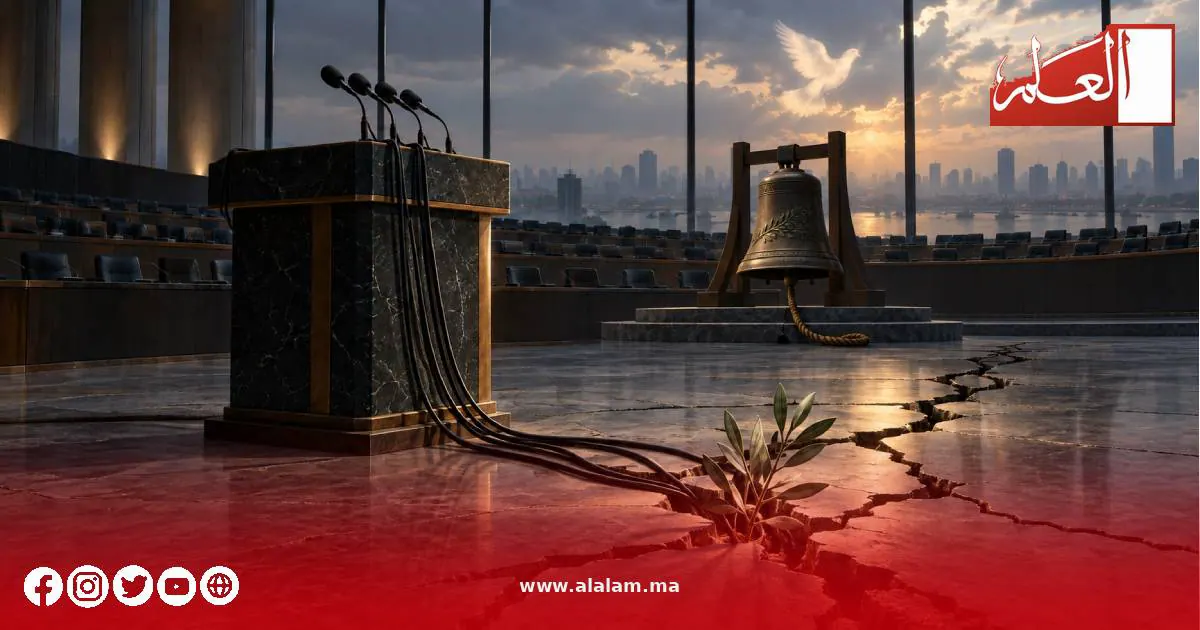
The International Day of Peace is observed on September 21 every year, with the aim of promoting peace and non-violence around the world. However, this year's celebration is marked by a stark reality: the world is witnessing a surge in conflicts, military spending, and human displacement. According to the Stockholm International Peace Research Institute, global military spending reached $2.887 trillion in 2025, the highest level ever recorded.
The world is home to 65 armed conflicts, with 13 of them classified as wars that have resulted in over 1,000 combat-related deaths in a single year. The Uppsala Conflict Data Program reported that 244,600 people lost their lives due to organized violence in 2025. These numbers are a sobering reminder of the challenges facing the world in achieving peace and security. The International Day of Peace is an opportunity to reflect on the state of the world and the need for collective action to promote peace.
The humanitarian consequences of conflicts are dire, with 117.8 million people forcibly displaced globally as of the end of 2025. This includes tens of millions of refugees, asylum seekers, and internally displaced persons. The displacement of people has severe consequences, including the loss of livelihoods, education, and access to basic services. The International Day of Peace highlights the need for sustainable solutions to address the root causes of displacement.
The Gaza Strip is a prime example of the challenges of achieving peace, even after a ceasefire is reached. Despite a decrease in violence, the reconstruction process is slow, and many residents are still living in temporary accommodations or damaged buildings. The situation in Gaza underscores the need for a comprehensive approach to peacebuilding that addresses the economic, social, and humanitarian needs of affected communities.
The impact of conflicts is not limited to the countries directly involved. The effects of war can be felt globally, from the disruption of trade and commerce to the impact on fuel prices and inflation. For instance, the conflict in Yemen has resulted in the displacement of 112,000 people, while the situation in the Strait of Hormuz has affected global trade and commerce.
Despite the challenges, diplomacy continues to play a crucial role in resolving conflicts. There are ongoing efforts to mediate conflicts in the Middle East, and leaders are engaging in dialogue to find solutions to pressing issues. The International Day of Peace is an opportunity to recognize the importance of diplomacy and dialogue in achieving peace and security.
United Nations Secretary-General António Guterres has warned that peace is becoming increasingly rare and that conflicts are becoming more complex and widespread. He has called for increased investment in health, education, and social protection, as well as the promotion of human rights and the strengthening of international solidarity.
Key points
- The world is witnessing a surge in conflicts, military spending, and human displacement, making the International Day of Peace a timely reminder of the need for collective action to promote peace.
- The humanitarian consequences of conflicts are dire, with 117.8 million people forcibly displaced globally as of the end of 2025.
- Diplomacy and dialogue continue to play a crucial role in resolving conflicts, and the International Day of Peace recognizes the importance of these efforts in achieving peace and security.