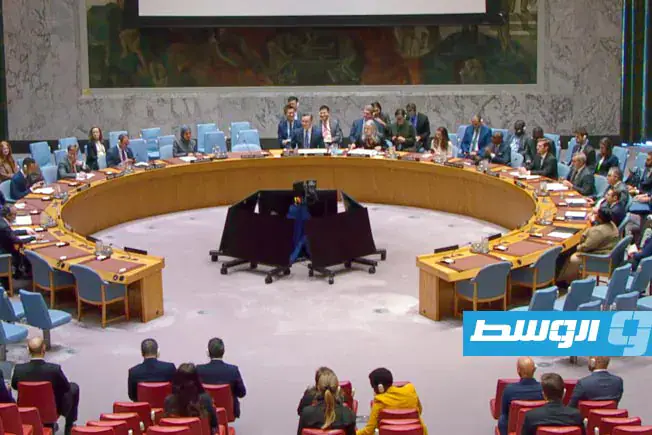
The International Criminal Court's acting prosecutor, Mam Mandiaye Nyang, will brief the UN Security Council on Wednesday on the latest developments in the court's investigations and cases related to Libya. The briefing, which will be held via video conference from The Hague, Netherlands, will cover the progress made in implementing Security Council Resolution 1970, adopted in 2011. This resolution referred the situation in Libya to the ICC.
The briefing comes as the ICC continues to gather information and evidence on crimes committed in Libya between 2014 and 2020. In May, the court's deputy prosecutor, Nazhat Shameem Khan, informed the Security Council that there are nine outstanding arrest warrants related to Libya. Khan emphasized the importance of cooperation with Libyan authorities and civil society organizations in documenting evidence and uncovering the facts.
The ICC's investigation in Libya focuses on crimes committed during the period of conflict and unrest in the country. The court's work aims to hold accountable those responsible for war crimes, crimes against humanity, and genocide. The Security Council's attention to this matter underscores the international community's commitment to ensuring justice and accountability in Libya.
During the briefing, Nyang is expected to provide updates on the status of the investigations and the challenges faced by the ICC in its work. The Security Council's discussion will likely focus on the need for continued cooperation between Libyan authorities and the ICC, as well as the importance of ensuring accountability for those responsible for crimes committed in Libya.
The situation in Libya remains a concern for the international community, with ongoing efforts to stabilize the country and promote peace and security. The ICC's work in Libya is an essential part of this effort, as it seeks to address the root causes of conflict and promote accountability for those responsible for crimes.
In recent years, there have been efforts to strengthen cooperation between Libyan authorities and the ICC. However, challenges persist, and the court's work in Libya remains complex and sensitive. The briefing to the Security Council will provide an opportunity for the ICC to update the international community on its progress and to emphasize the importance of continued support and cooperation.
The ICC's investigation in Libya has been ongoing since 2011, when the Security Council referred the situation to the court. Since then, the court has issued several arrest warrants and conducted investigations into various crimes committed in Libya. The court's work in Libya is an important part of its broader efforts to promote accountability and justice for victims of international crimes.
Key points
- The ICC's acting prosecutor will brief the UN Security Council on the latest developments in the court's investigations and cases related to Libya.
- There are nine outstanding arrest warrants related to Libya, and the ICC continues to gather information and evidence on crimes committed in the country between 2014 and 2020.
- The ICC's work in Libya aims to hold accountable those responsible for war crimes, crimes against humanity, and genocide.