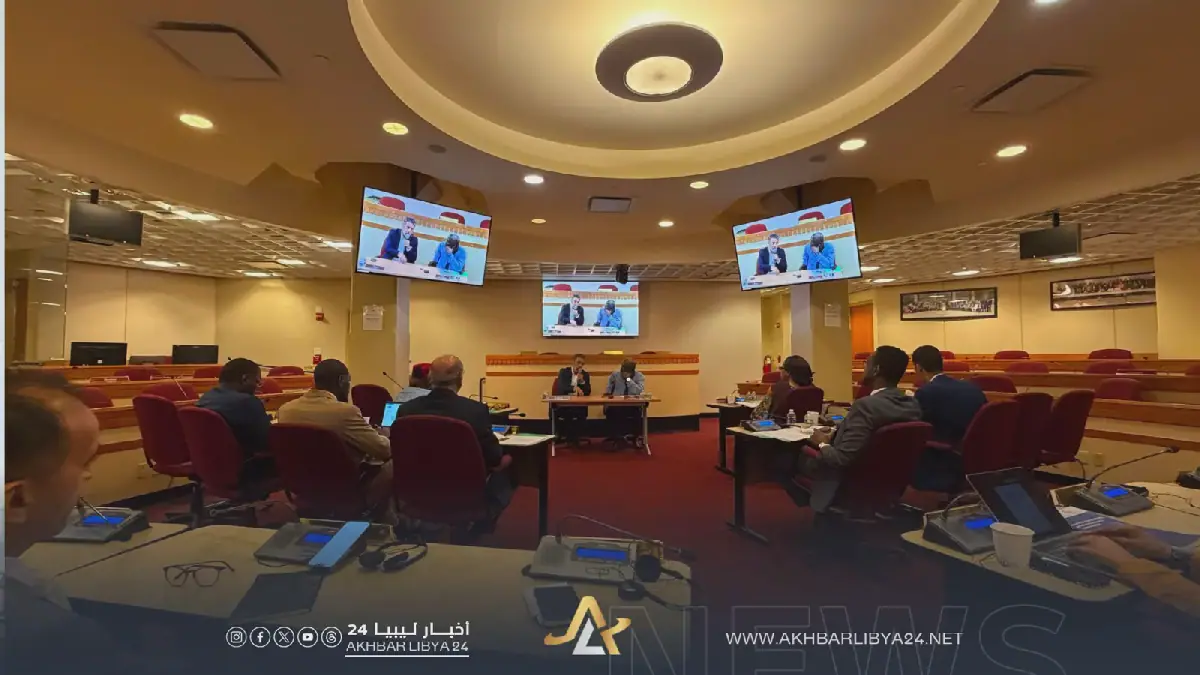
A recent UN Security Council meeting on Libya exposed significant divisions among member states regarding the role of the International Criminal Court (ICC) in the country. The ICC's efforts to investigate and prosecute crimes committed in Libya have been met with resistance from some countries, including Russia, which has called for the case to be withdrawn. In contrast, Western nations such as France and the UK have expressed support for the ICC's work.
The ICC's prosecutor, Mam Mandiay Nyan, presented updates on the investigation into crimes committed in Libya between 2014 and 2020. He revealed that his office has obtained clear information and evidence that could help move forward with prosecutions. Nyan also highlighted the plight of women and children who have been subjected to arbitrary detention in Mitiga prison due to their ethnicity and social status.
France's ambassador to the UN, emphasized that her country fully supports the ICC's work in Libya, stating that it does not undermine Libya's national sovereignty but rather complements it. She rejected sanctions against the ICC and parties that cooperate with it, stressing that Paris's support for the ICC includes opposing any actions that hinder its work or limit its ability to perform its tasks.
Somalia's ambassador to the UN took a different stance, emphasizing the importance of strengthening Libya's national judicial institutions and enabling them to assume their responsibilities in achieving justice. He welcomed Libya's continued engagement with the ICC's prosecutor, including requests for technical and legal assistance to support national investigations.
Liberia's ambassador to the UN welcomed improvements in cooperation between the ICC's prosecutor and Libyan authorities, as well as Libya's acceptance of the ICC's jurisdiction under Article 12(3) of the Rome Statute. He urged Libyan authorities to fully respond to ICC requests, execute arrest warrants, and cooperate in handing over suspects.
China's ambassador to the UN emphasized the need to respect Libya's sovereignty and promote the integration of international and national justice. He supported Libyan judicial authorities in performing their duties and called on external actors to provide constructive support and avoid interfering in Libya's internal affairs.
Russia's ambassador to the UN criticized the ICC, accusing it of failing to contribute to peace or justice in Libya and serving the interests of a limited number of Western countries. She questioned the ICC's handling of certain cases, including the alleged crimes committed by NATO during its 2011 intervention in Libya.
Key points
- The ICC's investigation into crimes committed in Libya has sparked division among UN Security Council member states.
- Russia has called for the ICC case to be withdrawn from Libya, while Western nations have expressed support for the ICC's work.
- The Libyan authorities have accepted the ICC's jurisdiction and have begun to cooperate with the court's prosecutor.