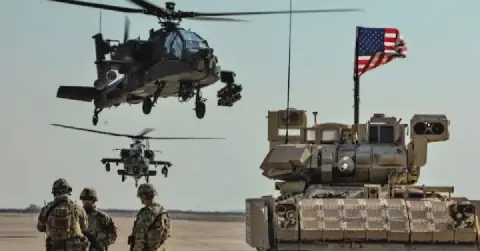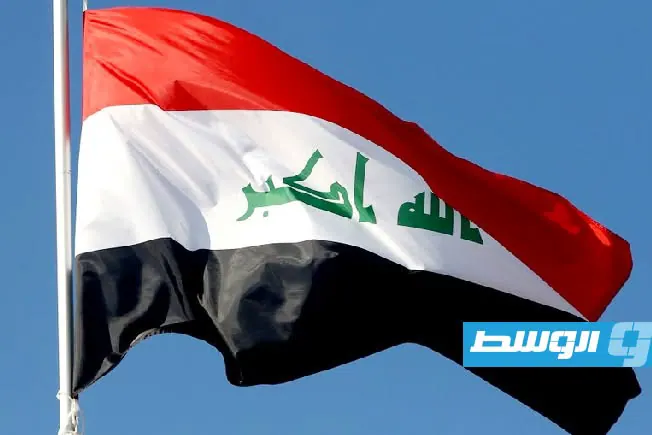
The international coalition led by the United States will conclude its mission in Iraq on Wednesday, marking the end of a 12-year engagement that began in 2014 to combat the Islamic State (ISIS). The coalition's efforts contributed to the defeat of ISIS in Iraq in 2017 and in Syria in 2019. Despite this, coalition forces have remained in the region to counter the remaining jihadist cells.
According to an agreement between Baghdad and Washington in 2024, coalition forces began withdrawing from their bases in Iraq, with their presence eventually limited to the Kurdistan region in northern Iraq by early this year. The coalition's withdrawal from the region is set to be completed on Wednesday. The Iraqi authorities have expressed confidence in their ability to prevent the resurgence of extremist groups and have indicated a shift towards security partnerships with coalition countries.
The withdrawal of coalition forces is seen as a significant development in Iraq's path towards regaining full sovereignty. Iraqi Prime Minister Ali Al-Zidi, who took office this year with US support, has pledged to ensure that the state has a monopoly on the use of force. The prime minister has declared a national celebration, "Day of Sovereignty," to mark the end of the coalition's mission.
However, some Iraqi factions, particularly those close to Iran, have expressed conditions for laying down their arms, including the complete withdrawal of foreign forces and an end to US influence in Iraqi politics and economy. These factions have been critical of the US presence in Iraq, viewing it as an occupation. Some have already begun to hand over their weapons, while others remain hesitant.
The Iraqi government has set a deadline for these factions to surrender their arms, but it has been forced to extend the timeline due to ongoing negotiations. The issue remains a contentious one, with some factions threatening to oppose the government if it does not address their concerns. The government has emphasized the need for these groups to integrate into the state's security apparatus.
The end of the coalition's mission in Iraq marks a new chapter in the country's relations with the international community. The Iraqi government has indicated that it will pursue partnerships with coalition countries in areas such as training and intelligence sharing. The country continues to face security challenges, but the government's confidence in its military capabilities is seen as a positive step towards stability.
The withdrawal of coalition forces also has implications for the regional security landscape. The US and Iraqi governments have sought to navigate a complex relationship with Iran, which has significant influence in Iraq through various factions. The situation remains delicate, with ongoing tensions between the US and Iran, and between different factions within Iraq.
Key points
- The international coalition against ISIS will end its 12-year mission in Iraq on Wednesday.
- The withdrawal of coalition forces marks a significant step towards Iraq regaining full sovereignty.
- Iraqi factions have expressed conditions for laying down their arms, including the complete withdrawal of foreign forces and an end to US influence in Iraqi politics and economy.