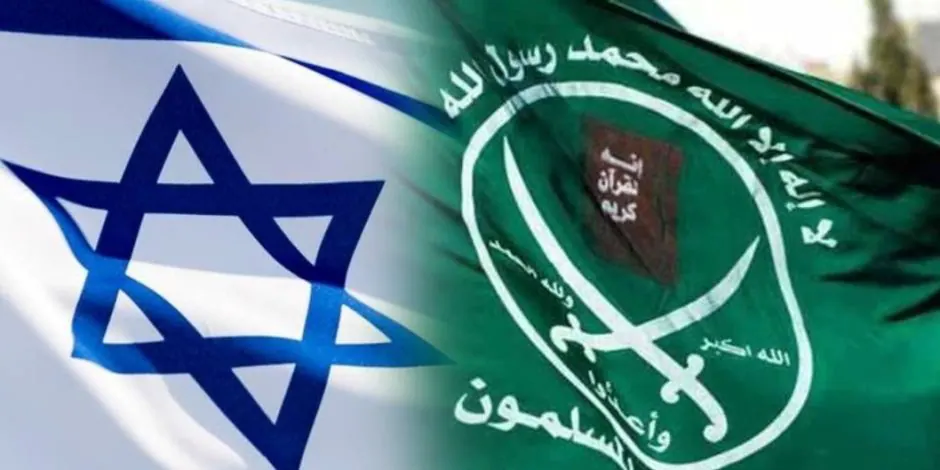
A severe internal crisis has erupted within Egypt's Muslim Brotherhood, exposing deep divisions and allegations of treason. The conflict centers on the dominance of the group's polarizing leadership, which has steered the organization towards greater violence. This has led to a significant rift between the group's leadership and some of its members, who reject the current direction.
The Muslim Brotherhood has attempted to present itself as a diverse and inclusive organization, open to all segments of society. However, recent events have revealed a substantial gap between this rhetoric and the reality on the ground. The group's leadership has been accused of being controlled by individuals and entities linked to extremist ideologies and designated as terrorist organizations by Egypt.
The dominance of the polarizing leadership has sparked widespread discontent and led to a series of withdrawals and resignations within the organization. These defections reflect the agenda of the polarizing leadership and its exclusionary ideology. The crisis has also exposed the group's inability to manage internal dissent and engage in constructive dialogue.
A key point of contention is the idea of forming an alternative government in exile, which has been criticized by some within the group as unrealistic and counterproductive. The proposal has been championed by the polarizing leadership, despite opposition from other members, who argue that it is unlikely to succeed and may harm the group's credibility.
The crisis has been further complicated by allegations of foreign influence and ties to hostile entities. A senior member of the group, Abdelrahman Moka, recently revealed that he had received direct support from a British organization headed by an Israeli Jewish figure to facilitate his escape from Egypt. This admission has sparked widespread outrage and sarcasm within the group, with many questioning the organization's commitment to national interests.
The turmoil within the Muslim Brotherhood has significant implications for Egypt's national security and stability. The group's inability to manage its internal affairs and engage in constructive dialogue raises questions about its ability to govern or participate in the country's political process.
The Muslim Brotherhood's crisis highlights the challenges facing Egypt's security and stability. The group's internal divisions and allegations of treason have sparked concerns about its role in the country's future. The situation remains uncertain, with many questioning the group's ability to overcome its internal divisions and engage with other segments of society.
Key points
- The Muslim Brotherhood faces internal turmoil and allegations of treason, exposing deep divisions within the organization.
- The group's leadership has been accused of being controlled by individuals and entities linked to extremist ideologies.
- The crisis has significant implications for Egypt's national security and stability.