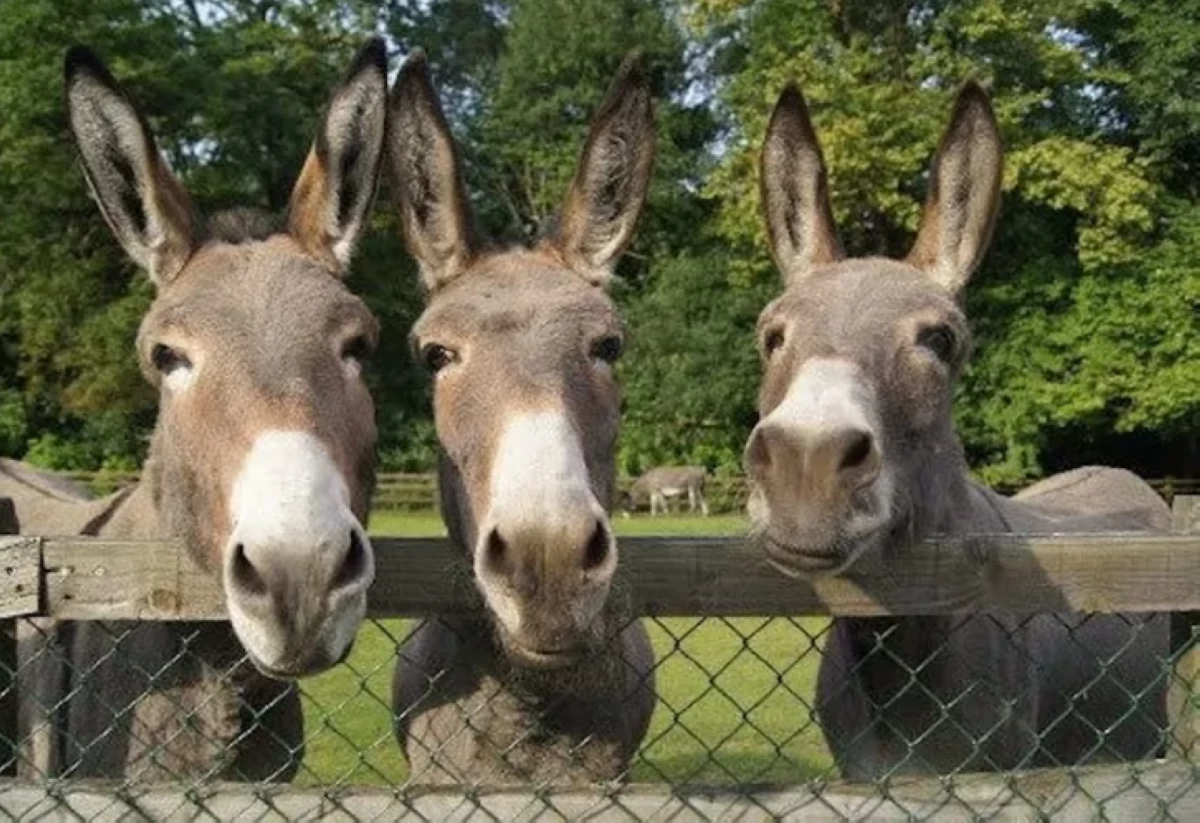
A recent study conducted by researchers at the University of California has discovered that interacting with horses and donkeys for just three minutes can have a positive impact on the mood of teenagers. The study involved 61 teenagers who participated in short sessions with a group of rescued horses and donkeys. The animals included two miniature horses named Olivia and Rondi, and two miniature donkeys named Mary and Memphis.
Before the experiment began, the participants received training on how to notice and understand certain behavioral cues exhibited by the animals. The researchers then divided the participants into two groups. In the first group, individuals were asked to gently pass their hands over the animals' backs, while in the second group, participants scratched the animals' necks in a manner that mimicked the natural grooming behavior between horses and donkeys.
The results of the study showed that after the interaction sessions, participants felt more calm and experienced a decrease in feelings of stress, sadness, and loneliness. This was observed regardless of the method used to interact with the animals. However, the researchers noted differences in the impact of the interaction based on the teenagers' ability to read the animals' behavior. Those who were able to notice signs of comfort in the animals experienced a greater reduction in feelings of loneliness.
The study also found that the animals exhibited different responses during the interaction sessions. The horses and donkeys were observed to move their lips during a larger proportion of neck-scratching sessions, while they tended to move away more during back-petting sessions. These findings, published in the journal Scientific Reports, highlight the importance of considering the animals' behavior and well-being when designing animal-assisted therapy programs.
The researchers emphasized that the animals should be regarded as active participants in the experiment, rather than just tools used to achieve psychological benefits for humans. The study also underscored the need for further research to gain a deeper understanding of the human-animal interaction and its potential applications in supporting the mental health of teenagers.
The study's findings suggest that incorporating animal-assisted therapy into programs aimed at supporting teenagers' mental health may be beneficial. The researchers hope that their work will contribute to the development of more effective interventions for promoting the well-being of young people. By understanding the complexities of human-animal interaction, researchers can work towards creating more effective and compassionate support systems.
The study's results have implications for the design of future animal-assisted therapy programs. By taking into account the behavioral cues and needs of the animals involved, therapists and healthcare professionals can create more effective and humane interventions. As the researchers continue to explore the benefits of human-animal interaction, their work may lead to the development of innovative new approaches to supporting the mental health of teenagers.
Key points
- The study found that teenagers who interacted with horses and donkeys for just three minutes experienced improved mood and reduced feelings of stress, sadness, and loneliness.
- The researchers noted that the teenagers' ability to read the animals' behavior influenced the impact of the interaction, with those who noticed signs of comfort in the animals experiencing a greater reduction in feelings of loneliness.
- The study highlights the importance of considering the animals' behavior and well-being when designing animal-assisted therapy programs.