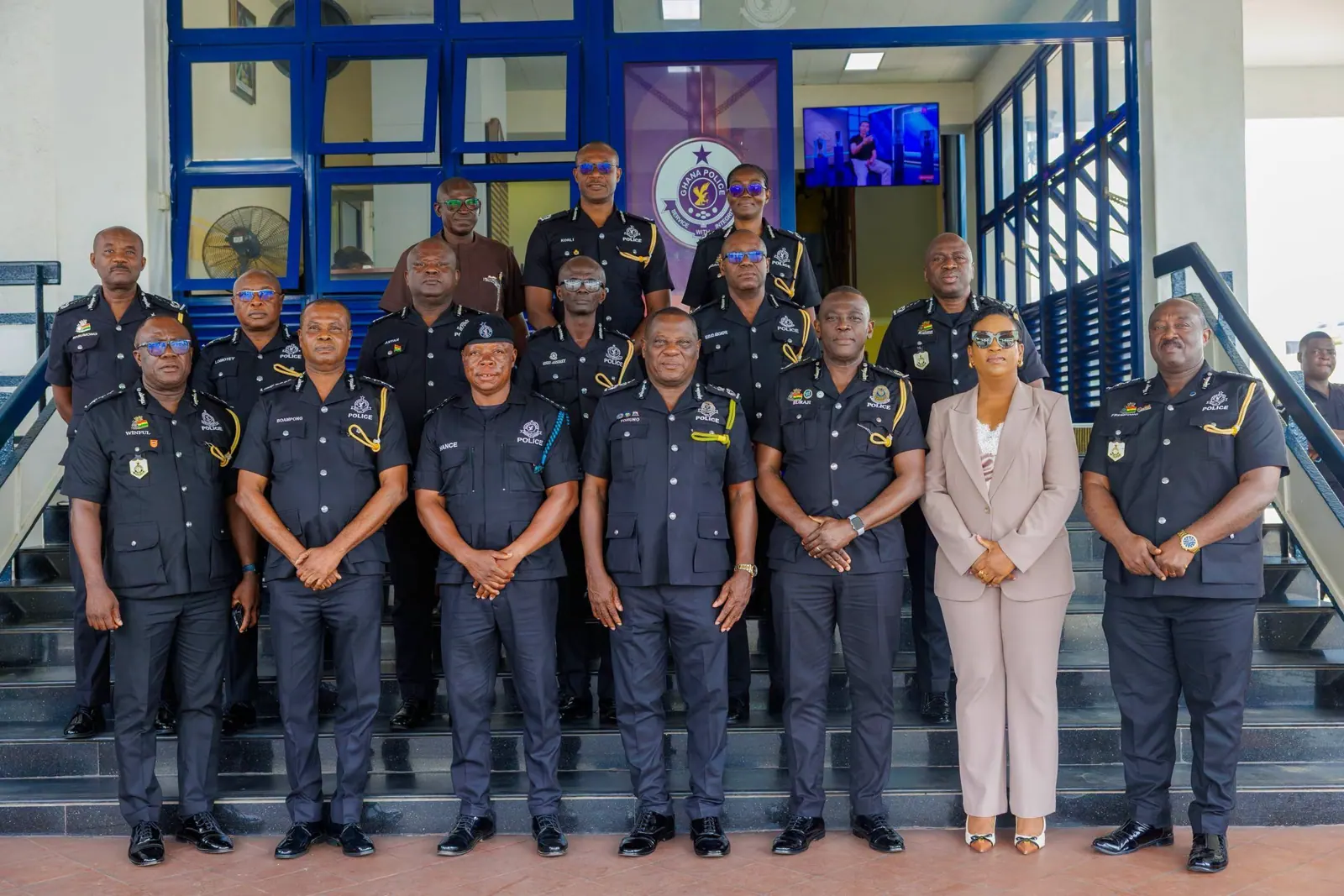
The Ghana Police Service has emphasized the need for intelligence-led prevention to combat crime, following recent breakthroughs that have led to the arrest of suspects and the recovery of stolen items. According to DCOP David Senanu Eklu (Rtd), the police have identified key lessons from these cases that can be applied to prevent future crimes. These lessons include the importance of lighting, visibility, access control, and surveillance in making places less attractive to criminals.
One of the cases involved a suspected syndicate that allegedly monitored bank customers, followed selected targets, and attacked them after they had withdrawn money. The police have noted that security should extend beyond the banking hall, and individuals and businesses should reduce large cash movements and use safer electronic alternatives. Customers should also observe their surroundings when leaving a bank and report any suspicious activity to the police.
The police have also highlighted the importance of protecting routines and preventing predictability. In the case of the Buipe Cattle Market, people carrying substantial sums of money were targeted, while other operations concerned attacks on MoMo operators, gold buyers, and mining communities. Businesses should periodically review their routines and procedures to reduce opportunities for crime without disrupting legitimate business.
The Enyiresi-Sekyere highway case offers another important lesson, as police investigations identified not only suspected robbers but also an alleged weapons supplier and a 14-year-old who served as a lookout. The case suggests that preparations for crime may sometimes be visible before the crime itself, and people should report suspicious activity to the police rather than confronting the individuals involved.
The investigation into the deaths of Dr. Jesse Amuah and his wife, Elizabeth, highlights a security issue that households and organizations sometimes overlook: people with legitimate access to homes or workplaces may acquire knowledge of routines, movements, valuables, and vulnerabilities. Households and organizations should verify identities and references, keep accurate records of people given regular access, and secure valuables and sensitive documents.
The recovery of AK-47 rifles, pistols, ammunition, and other weapons during the operations raises a wider community question. Illegal weapons do not exist in isolation, and someone may notice something and provide information to the police. The Inspector-General of Police (IGP), Mr. Tetteh Yohuno, has commended members of the public for providing credible and timely information that led to the successful operations.
The recent breakthroughs offer reassurance, but also an invitation to participate in crime prevention. The police can pursue and arrest offenders, but arrests alone cannot create a secure environment. Prevention is everyone's responsibility, and citizens can contribute by reporting suspicious activity, reviewing their routines, and taking sensible precautions to secure their homes and businesses.
Key points
- The Ghana Police Service emphasizes the need for intelligence-led prevention to combat crime.
- Recent cases provide practical lessons for individuals, businesses, and communities to prevent crime.
- The public plays a crucial role in crime prevention by reporting suspicious activity and providing information to the police.