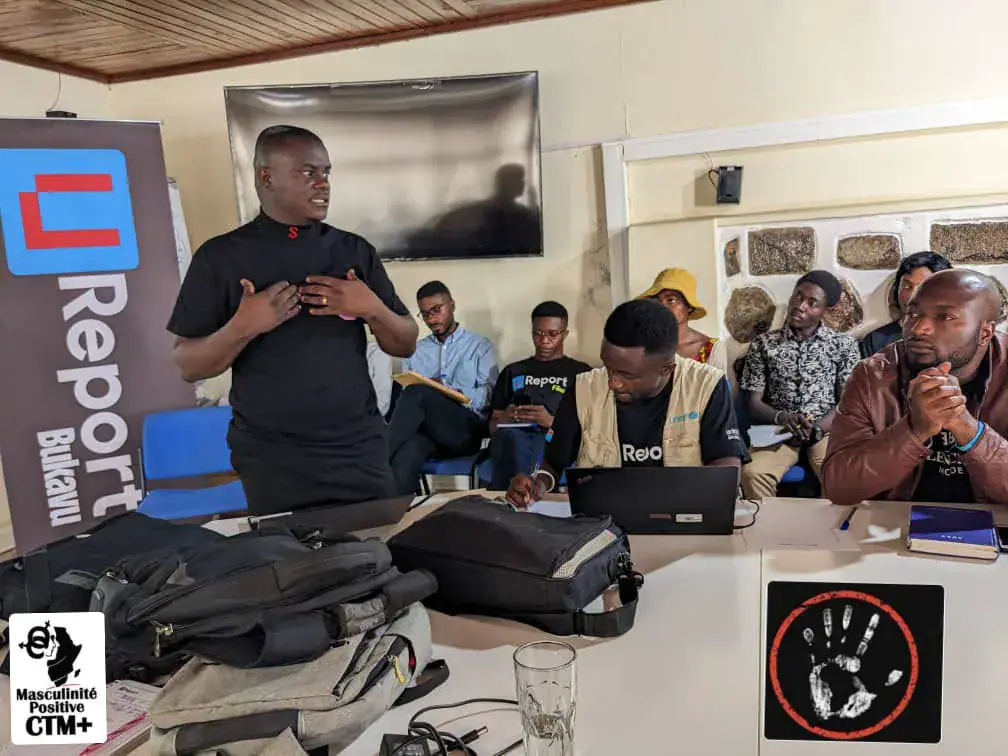
A recent campaign in Mbuji-Mayi, a city in the Kasaï Oriental region of the Democratic Republic of Congo (DRC), emphasized the importance of integrating positive masculinity and femininity in daily life to achieve durable peace. The campaign, which took place on September 24, 2026, was organized by the Association for Family Well-being and Desired Birth (Abef-ND) in collaboration with local organizations. The event aimed to promote a culture of peace, responsibility, and non-violence.
According to Carlin Vese, an expert in community engagement at Abef-ND, integrating positive masculinity and femininity is crucial for creating a peaceful and serene environment. He stressed that this integration is a matter of choice and that individuals have the power to choose responsibility, empathy, equality, respect, and non-violence. By making these choices, individuals can contribute to establishing durable peace within their communities.
The campaign, known as "Thursday in Black," was launched by the World Council of Churches (WCC) during the Ecumenical Decade of Churches in Solidarity with Women (1988-1998). The movement aims to raise awareness about violence against women and to promote a culture of peace and non-violence. In the DRC, several civil society organizations have adopted this campaign to denounce and combat all forms of violence against women.
The integration of positive masculinity and femininity is seen as a strategic lever for deconstructing stereotypes of war and gender and breaking cycles of violence. According to Vese, this integration can help to create a climate of non-violence and promote relationships based on respect. He emphasized that choosing peace, respect, and non-violence is possible and that this choice begins with each individual.
The campaign in Mbuji-Mayi was an opportunity for local organizations to raise awareness about the importance of positive masculinity and femininity in promoting durable peace. The event was attended by community leaders, local authorities, and members of civil society organizations. Participants were encouraged to make a commitment to promote positive masculinity and femininity in their daily lives.
The Association for Family Well-being and Desired Birth (Abef-ND) has been working in the Kasaï Oriental region to promote family well-being and prevent violence against women. The organization has implemented several programs aimed at promoting positive masculinity and femininity and promoting a culture of peace and non-violence.
The promotion of positive masculinity and femininity is seen as a key strategy for achieving durable peace in the DRC. By integrating these values into daily life, individuals can contribute to creating a more peaceful and equitable society. The campaign in Mbuji-Mayi is part of a broader effort to promote peace and non-violence in the DRC and to support the country's development and stability.
Key points
- The campaign promotes integrating positive masculinity and femininity to achieve durable peace.
- The integration of positive masculinity and femininity is seen as a strategic lever for deconstructing stereotypes of war and gender and breaking cycles of violence.
- The campaign was launched in the context of the "Thursday in Black" movement, which aims to raise awareness about violence against women and promote a culture of peace and non-violence.
Reporting sources
- Mbuji-Mayi : l’intégration des masculinités et féminités positives prônée pour une paix durable · Congolese press agency