As South Africa celebrates Heritage Month, the focus is on modernizing and transforming the country's museums and heritage sites. However, a more pressing issue is the integration of traditional and Western medicine to improve healthcare. During the COVID-19 pandemic, millions of South Africans turned to traditional medicine due to the high cost of hospital treatments and prescribed medications. This reliance on traditional plants across diverse population groups highlights their critical role in the country's cultural and healthcare landscape.
The use of traditional medicine in South Africa is not without risks. According to Professor Pakiso Moses Makhoahle, a medical biological scientist at the Central University of Technology, Free State, indigenous knowledge is invaluable but not bulletproof. The success of traditional mixtures is often measured by external signs of healing, but the silent toll on the body, especially internal organs, can be severe. Without proper scientific testing, the line between a life-saving remedy and a toxic poison can become blurred.
Professor Makhoahle's research explores the chemical duality of popular medicinal plants. The bitter-apple, for example, contains compounds with therapeutic potential, but also high levels of solanine, which can cause severe health complications if misused. Similarly, wild dagga offers traditional benefits but can negatively affect the blood system, kidneys, and liver if consumed in uncontrolled amounts.
The blue lily and silver starflower are also widely used in traditional medicine, but their safety profiles are not well understood. While the root extracts of the blue lily demonstrate low acute toxicity, the green leaves are highly poisonous if prepared incorrectly. The silver starflower's bulbs are crushed into teas to fight chronic illnesses, but there is no long-term scientific data on its safety for extended use.
To mitigate these risks, cooperation between traditional healers and scientists is essential. Building a bridge between the healer's hut and the laboratory can inspire trust, validate the safe application of indigenous resources, and motivate the public to support the integration of African traditional medicine into the mainstream health system.
Moshoati Daniel Maritz, a community engagement specialist and director of community engagement at the Central University of Technology, Free State, emphasizes the importance of integrating Indigenous Knowledge with scholarly research. This blending is vital for universities, as it enriches the academic landscape and promotes a more comprehensive understanding of traditional medicine.
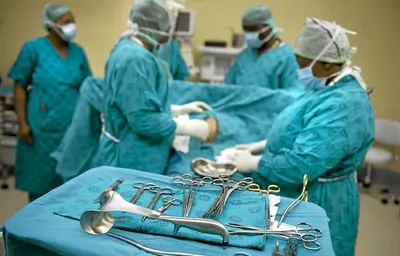
The integration of traditional and Western medicine in South Africa has the potential to improve healthcare outcomes, particularly in rural and underserved areas. By working together, traditional healers and scientists can develop safe and effective treatments that combine the best of both worlds. This collaboration can also help to preserve traditional knowledge and promote cultural heritage.
Key points
- Collaboration between traditional healers and scientists is crucial to ensure the safe application of indigenous resources and promote the integration of African traditional medicine into the mainstream health system.