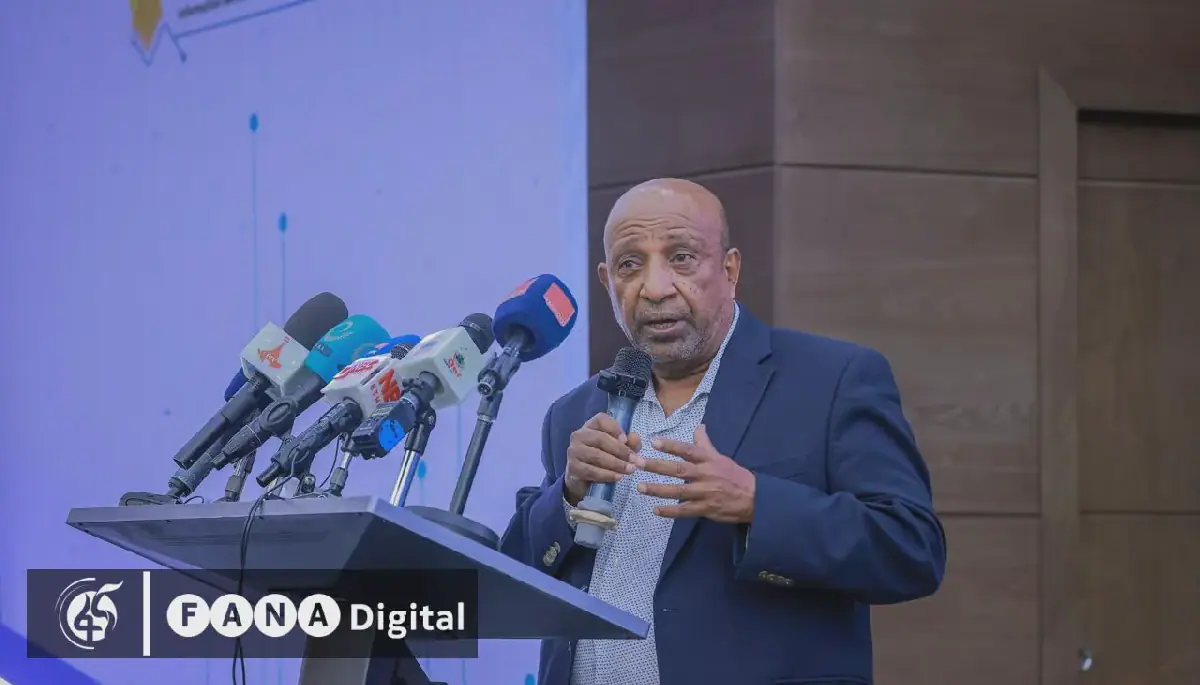
On November 28, 2026, Minister of Education, Professor Birhanu Nega, emphasized the importance of incorporating cyber security and digital ethics into the country's education system. This move aims to produce a generation capable of overcoming challenges effectively. The Minister made these remarks during the graduation ceremony of participants in the 5th national Cyber Talent Summer Camp Challenge, organized by the Information Network Security Administration.
Professor Birhanu Nega noted that the world is currently undergoing the fourth industrial revolution, characterized by rapid technological advancements. These changes are significantly impacting how people work, learn, produce, and interact. He highlighted that technologies such as artificial intelligence and digital technologies are driving substantial changes across various sectors, underscoring the need for the education system to evolve in line with these developments.
The Minister stressed that the education system should focus on more than just enhancing students' theoretical knowledge. It should also aim to develop practical skills, creativity, problem-solving abilities, and evidence-based thinking. To achieve this, he emphasized the importance of strengthening science, technology, engineering, and mathematics (STEM) education, enhancing critical thinking, and fostering creativity among students.
Professor Birhanu Nega pointed out that the use of digital technology extends beyond basic technical skills; it also encompasses ethical considerations, responsibility, and security. He argued that from an early stage, students should be taught to use technology responsibly, protect their data, and identify cyber threats. This approach is crucial for building a digitally literate and responsible generation.
The Minister highlighted the significance of safeguarding the country's digital infrastructure, enhancing technological capabilities, and ensuring digital sovereignty. These goals, he noted, can only be achieved by fostering a generation equipped with knowledge, skills, and a sense of responsibility. This, in turn, will enable Ethiopia to harness the benefits of digital technology effectively.
The 5th national Cyber Talent Summer Camp Challenge was organized to equip participants with essential skills in cyber security and digital technologies. The program aimed to identify and nurture young talent in these areas, preparing them to contribute to the country's digital economy. By integrating cyber security and digital ethics into the education system, the government hopes to create a safer and more digitally aware society.
The initiative to integrate cyber security and digital ethics into the education system aligns with global trends. Many countries recognize the importance of preparing students for a digitally driven world. By taking this proactive approach, Ethiopia aims to empower its youth with the skills and knowledge necessary to navigate and succeed in an increasingly complex digital landscape.
Key points
- The integration of cyber security and digital ethics into the education system is crucial for producing a responsible and digitally literate generation.
- The use of digital technology requires not only technical skills but also a strong sense of ethics, responsibility, and security.
- Strengthening STEM education and fostering creativity are essential for preparing students for the challenges of the fourth industrial revolution.
Reporting sources
- የሳይበር ደህንነትንና ዲጂታል ሥነ ምግባርን ከትምህርት ሥርዓቱ ጋር ማቀናጀት ወሳኝ ነው – ብርሃኑ ነጋ (ፕ/ር) · Fana Broadcasting Corporate