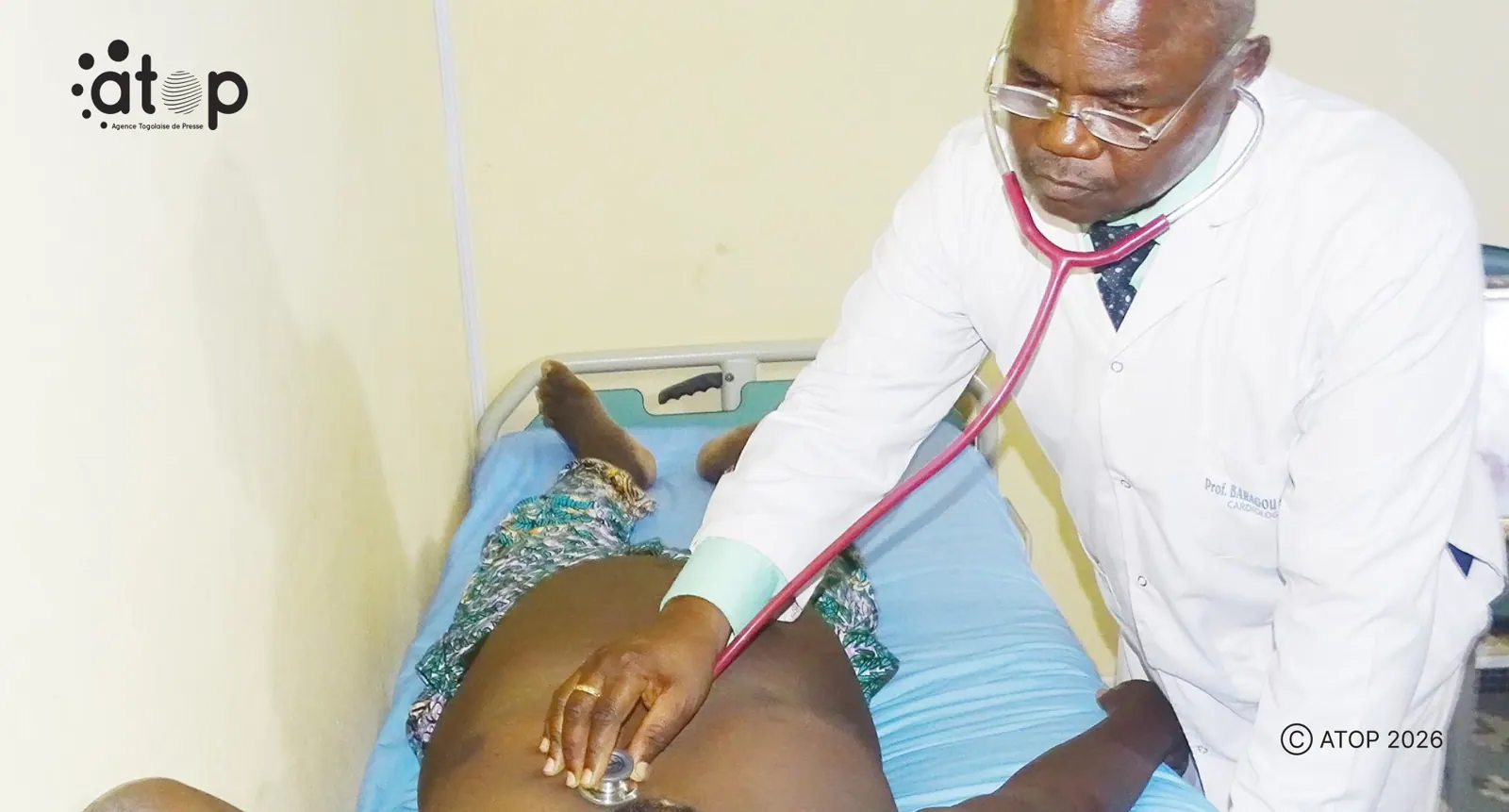
Heart failure is a significant health concern in Togo, representing nearly half of the patients hospitalized in cardiology services. According to Prof. Ag. Komlavi Yayehd, a cardiology teacher and researcher at the University of Lomé, it is the ultimate stage of most heart diseases. Heart failure is a syndrome characterized by the heart's inability to pump enough blood to meet the body's metabolic needs. This condition imposes a substantial financial burden on patients and the national health insurance system.
The main cause of heart failure in Togo is hypertension, a condition affecting over one in five adults in the country. Prof. Yayehd notes that hypertension is a public health problem, and its management is crucial to preventing heart failure. Other causes of heart failure in Togo include myocarditis and pericarditis, which are infections of the heart muscle and its outer envelope, as well as ischemic heart diseases caused by the obstruction of coronary arteries.
The signs of heart failure can be subtle, but they often start with dyspnea on exertion, which is a feeling of shortness of breath during physical activity. As the condition progresses, patients may experience dyspnea at rest, accompanied by coughing, swelling of the legs and feet, and pain in the liver area. Prof. Yayehd emphasizes that early detection of these symptoms is crucial for effective management of the condition.
In addition to hypertension, other factors contribute to the development of heart failure in Togo. These include endocrine disorders such as hyperthyroidism and hypothyroidism, as well as cortico-adrenal disorders that affect hormone production. Valve diseases, often caused by rheumatic fever, are another significant risk factor for heart failure in Togo.
The management of heart failure in Togo requires a comprehensive approach, including regular medical follow-up and prolonged treatment. Prof. Yayehd stresses that the condition can be prevented or managed with proper care, but it often requires significant financial resources. The cost of hospitalization and medication can be a substantial burden on patients and the healthcare system.
The University of Lomé's Faculty of Health Sciences is working to address the issue of heart failure in Togo through education and research. Prof. Yayehd and his team are committed to raising awareness about the condition and its risk factors, as well as developing effective management strategies. By improving the diagnosis and treatment of heart failure, they aim to reduce the financial and health burdens associated with the condition.
In conclusion, heart failure is a significant public health concern in Togo, requiring a comprehensive approach to prevention, diagnosis, and treatment. Prof. Ag. Komlavi Yayehd's work highlights the importance of awareness, education, and research in addressing this condition. By working together, healthcare professionals, policymakers, and the public can reduce the impact of heart failure in Togo and improve the health and well-being of the population.
Key points
- Heart failure is a major complication of cardiovascular diseases in Togo, requiring regular medical follow-up and prolonged treatment.