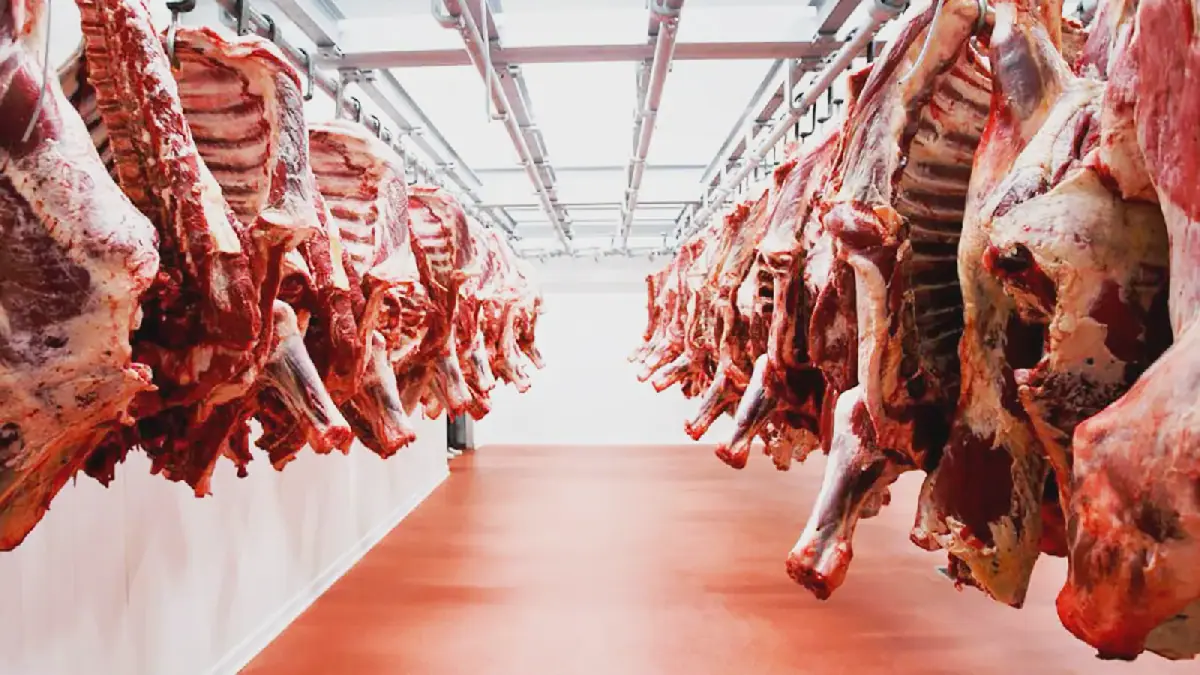
A recent exposé has brought to light allegations of counterfeit meat products being sold in Botswana. The issue has sparked concern among citizens and authorities alike, given the country's reputation for high-quality beef. Botswana's cattle industry, overseen by the state-owned Botswana Meat Commission (BMC), has long been a source of national pride. The BMC plays a crucial role in regulating the country's meat production and export.
The BMC is responsible for ensuring that Botswana's meat products meet international standards, making the country a trusted supplier to European markets. However, rumors of counterfeit meat products have raised questions about the effectiveness of the BMC's regulatory mechanisms. An investigation into these claims is reportedly underway, with authorities working to identify the source of the fake meat and hold those responsible accountable.
The implications of this scandal are far-reaching, with potential consequences for both consumers and the country's economy. Botswana's beef industry is a significant contributor to the nation's GDP, and any damage to its reputation could have lasting effects. The government has assured citizens that it is taking the situation seriously and will take all necessary steps to address the issue.
According to sources, the counterfeit meat products are believed to have originated from outside Botswana, highlighting the need for stricter import controls. The authorities are working to enhance existing regulations and ensure that all meat products entering the country are thoroughly inspected. This move aims to prevent similar incidents in the future and maintain public trust in the country's food supply.
The BMC has a reputation for producing high-quality meat products, and the organization is expected to play a key role in resolving this crisis. As the investigation continues, the BMC is working closely with law enforcement agencies to identify those responsible and bring them to justice. The incident has sparked a national conversation about food safety and the need for vigilance in protecting the country's reputation.
Economists warn that the consequences of this scandal could be severe, particularly if international markets lose confidence in Botswana's meat products. The country's beef industry is a significant export earner, and any disruption to trade could have far-reaching economic implications. The government is working to mitigate these risks and ensure that the situation is brought under control.
As the situation unfolds, citizens are being urged to remain calm and to report any suspicious activity related to meat products. The authorities are working tirelessly to resolve the issue and restore public trust in the country's food supply. The incident serves as a reminder of the importance of robust regulatory mechanisms and the need for continued vigilance in protecting public health and safety.
Key points
- The Botswana Meat Commission plays a crucial role in regulating the country's meat production and export.
- Authorities are working to enhance import controls and ensure that all meat products entering the country are thoroughly inspected.
- The incident has sparked a national conversation about food safety and the need for vigilance in protecting the country's reputation.