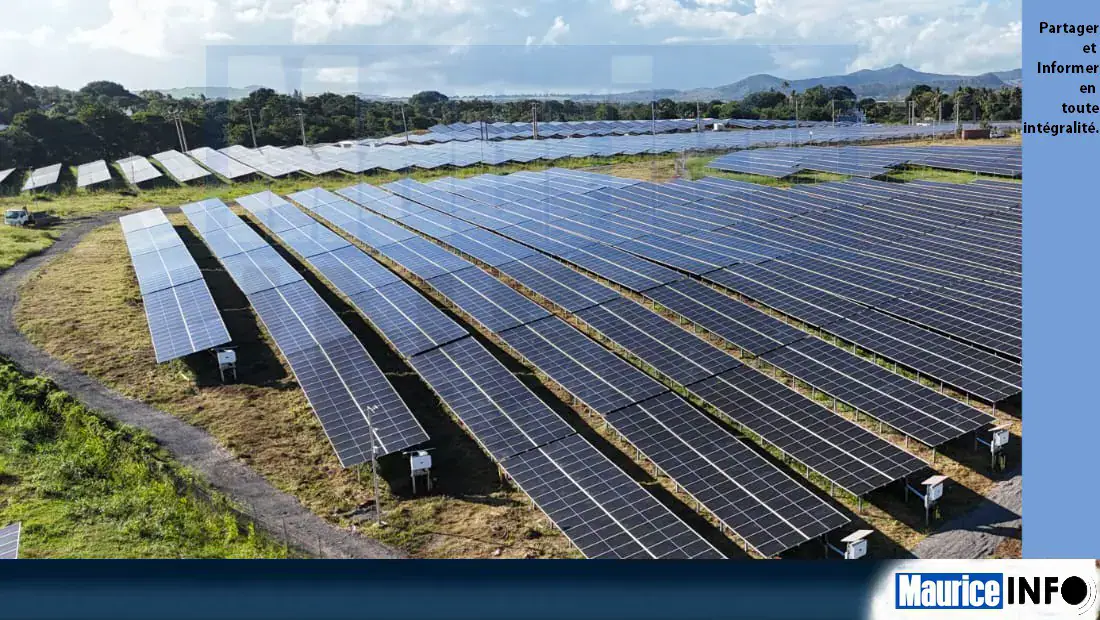
Innodis Poultry, a branch of the Innodis group, has launched two solar power plants in Arsenal, Mauritius, with a combined capacity of 4.2 MWp. The plants are part of a larger project to develop four photovoltaic power plants across the group, with a total capacity of 8.2 MWp. The first two plants were commissioned in September 2026 and are expected to produce over 6.5 GWh of renewable energy per year. This initiative is in partnership with GreenYellow, a company specializing in renewable energy solutions.
The energy produced by the power plants will be injected into the Mauritian electrical grid, contributing to the country's renewable energy mix. The two plants will also help reduce carbon emissions by approximately 4,620 tonnes of CO2 per year. This move is part of Innodis' efforts to accelerate its energy transition and reduce its environmental impact. The company's CEO, Jean-Pierre Lim Kong, emphasized the strategic importance of this project, highlighting the group's commitment to sustainability.
The project is part of the Carbon Neutral Industrial Sector Renewable Energy Scheme (CNIS), which aims to promote the development of renewable energy in Mauritius. The two power plants in Arsenal are among the first CNIS off-site projects to be connected to the grid in Mauritius. The initiative demonstrates Innodis' commitment to reducing its carbon footprint and promoting sustainable practices in the agro-food sector.
The partnership between Innodis and GreenYellow Austral involves the development of four photovoltaic power plants across the group. The plants will have a combined capacity of 8.2 MWp and produce approximately 12.5 GWh of renewable energy per year. This is equivalent to the annual consumption of nearly 4,500 Mauritian households. The project is being implemented in phases, with the next plants already under construction.
Benoît Regnard, CEO of GreenYellow Austral, highlighted the importance of this partnership, which demonstrates the feasibility of transitioning to renewable energy in the industrial sector. The project showcases the potential for companies to reduce their environmental impact while promoting sustainable practices. The collaboration between Innodis and GreenYellow Austral serves as a model for other businesses in Mauritius.
Innodis' energy transition plan is part of its broader strategy to promote sustainability across its operations. The company is committed to reducing its environmental impact and promoting eco-friendly practices. The launch of the two solar power plants in Arsenal marks a significant milestone in this effort. The project is expected to have a positive impact on the environment and contribute to Mauritius' renewable energy goals.
The energy transition plan is also being implemented in other branches of the Innodis group, including the dairy division. A new photovoltaic power plant is currently under construction, and other projects are in the pipeline. The company's approach is to implement sustainable practices gradually, across its various operations, to ensure a lasting impact.
Key points
- Innodis has launched two solar power plants in Arsenal, Mauritius, with a combined capacity of 4.2 MWp, producing 6.5 GWh of renewable energy annually.
- The project is part of a larger initiative to develop four photovoltaic power plants across the group, with a total capacity of 8.2 MWp.
- The power plants will help reduce carbon emissions by approximately 4,620 tonnes of CO2 per year.