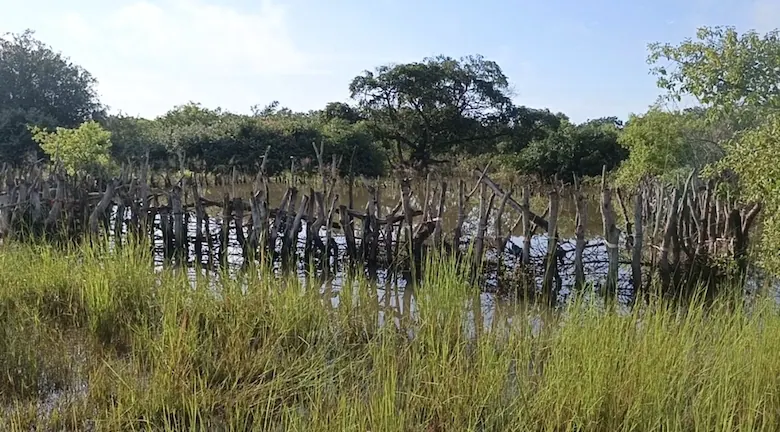
The town of Tebemdala, located approximately 40 kilometers from Kankan, Guinea, is facing significant challenges due to the influx of water into its farming plots. During the rainy season, heavy rainfall causes flooding in several cultivated areas, compromising the efforts of female farmers who rely on these plots for their livelihoods. The situation not only affects crop yields but also threatens the income and subsistence of several families in the region. Farming is a crucial activity for women in Tebemdala, providing them with a source of income and food.
The flooding of farming plots in Tebemdala is attributed to the intense rainfall experienced during the rainy season. The water inundates the cultivated areas, rendering some parts of the plots difficult to exploit. This situation forces the women to work extra hard to maintain their crops, but their efforts are often in vain as the water destroys their produce. In addition to the flooding, the women also face the challenge of animals entering their farming plots and causing damage to their crops. The destruction of the perimeter's fencing allows animals to enter and destroy the crops.
Mariame Kanté, the spokesperson for the female farmers, highlighted the difficulties they face in maintaining their crops. According to her, the onset of rainfall brings with it the challenge of flooding, which often results in the loss of their crops. The women invest several days of labor in maintaining their plots, but the influx of water often negates their efforts. Kanté emphasized that the situation is a double challenge for the farmers, as they not only have to protect their crops from the water but also secure their plots against animals.
The female farmers of Tebemdala are calling for assistance to help them address the challenges they face. They require support to improve the infrastructure of their farming plots, particularly in finding solutions to the flooding and reinforcing the perimeter's fencing. The women believe that with the right support, they can protect their crops and continue to produce food in better conditions. They also appeal to the authorities, including the Head of State, Mamadi Doumbouya, to take their concerns into consideration.
The situation in Tebemdala highlights the vulnerability of farming activities in the region. The influx of water into farming plots not only affects crop yields but also threatens the livelihoods of the women who depend on farming. The women's situation is further complicated by the destruction of their crops by animals, which are able to enter the plots due to the damaged fencing. The authorities are yet to respond to the women's appeal for assistance.
Fanta Kourouma, one of the female farmers, emphasized the importance of government intervention to address their challenges. According to her, the women of Tebemdala require support to improve their farming conditions, particularly in terms of infrastructure. They need help to construct better fencing and find solutions to the flooding that affects their crops. Kourouma appealed to the authorities to consider their situation and provide the necessary support.
The flooding of farming plots in Tebemdala has significant implications for food production and the livelihoods of local communities. The women farmers are determined to continue farming, but they require the necessary support to overcome the challenges they face. With the right assistance, they can improve their farming conditions and contribute to food security in the region. The situation in Tebemdala underscores the need for sustainable solutions to address the challenges faced by farmers in Guinea.
Key points
- The influx of water into farming plots in Tebemdala, Guinea, threatens the livelihoods of female farmers and local food production.