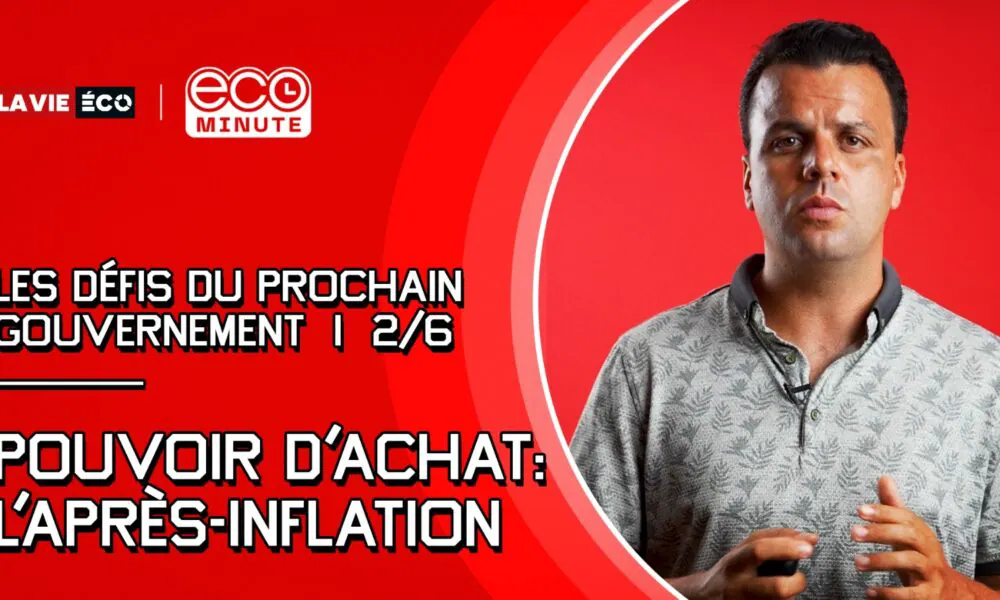
Morocco has experienced a significant slowdown in inflation, with the rate dropping to 0.8% in 2025 from 6.6% in 2022 and 6.1% in 2023. According to La Vie Éco, this deceleration is a positive trend, but it does not necessarily mean a return to pre-crisis prices. The overall price level has increased by around 17% between 2020 and 2025, which continues to weigh on household budgets, particularly for low-income families.
The impact of inflation on households is still being felt, especially for those with limited disposable income. Food represents a significant portion of their expenses, and the cumulative price hikes over the past few years have reduced their purchasing power. As a result, the next government will face the challenge of not only containing inflation but also promoting sustainable growth in incomes and purchasing power.
To address this challenge, the next government will need to focus on creating productive jobs, increasing wages, and improving productivity. A more effective redistribution of wealth will also be essential. While controlling inflation is crucial, it is only a first step; sustained growth in real incomes is necessary to give households more room for maneuver.
The government's strategy will need to prioritize improving living standards, particularly for vulnerable populations. This will require a comprehensive approach that addresses the root causes of poverty and inequality. By promoting economic growth and social justice, the government can help households recover from the effects of inflation and improve their overall well-being.
According to Mohamed Benchekroun, writing for La Vie Éco, the next government's priorities will need to shift from controlling prices to improving real incomes. This will involve implementing policies that promote job creation, wage growth, and productivity gains. By doing so, the government can help households regain their purchasing power and improve their living standards.
The article highlights that slowing down inflation is only the first step; the real challenge lies in promoting sustainable growth in incomes and purchasing power. This will require a coordinated effort from the government, businesses, and civil society to create a more equitable and prosperous society. The next government's success will depend on its ability to address these challenges and improve the lives of Moroccan citizens.
Ultimately, the goal is to create a more stable and prosperous economy that benefits all Moroccans. By prioritizing job creation, wage growth, and social justice, the next government can help households recover from the effects of inflation and build a brighter future for themselves and their families.
Key points
- The next Moroccan government will need to prioritize improving real incomes and purchasing power to help households recover from the effects of inflation.
- Creating productive jobs, increasing wages, and improving productivity will be essential to promoting sustainable growth in incomes and purchasing power.
- A more effective redistribution of wealth will also be crucial to addressing poverty and inequality in Morocco.