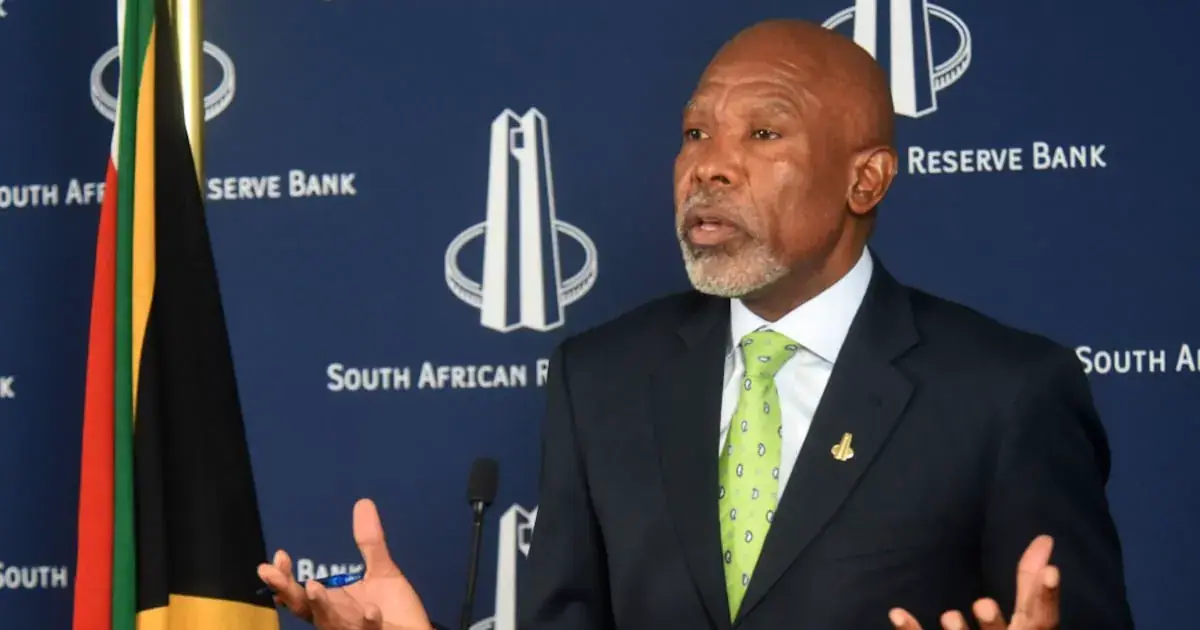
South African Reserve Bank Governor Lesetja Kganyago has cautioned that bringing inflation back to the bank's 3% target will take longer than previously anticipated. He cited multiple global supply shocks putting pressure on prices and complicating the outlook for interest rates. Speaking to Business Day TV in Luanda, Kganyago said inflation was expected to fall within the target's 2%-4% tolerance band in 2027 but only reach 3% the following year.
The Reserve Bank remains committed to bringing inflation down despite the difficult economic environment. Kganyago argued that allowing inflation to remain elevated would further erode household incomes and ultimately undermine economic growth. He assured South Africans that the Reserve Bank would get inflation back to target, warning that abandoning the commitment to the new target adopted last year would undermine the credibility of the framework.
The central bank is navigating an increasingly difficult environment, with higher global oil prices and fertiliser costs due to supply chain disruptions linked to the Middle East war driving domestic price pressures. In September, its monetary policy committee increased the policy rate by 25 basis points to 7.25%, citing persistent inflation risks linked largely to higher fuel prices.
The higher rates have come against a backdrop of weak economic growth, with GDP contracting by 0.2% in the second quarter of 2026. The Reserve Bank and the National Treasury now see lower economic growth of 1.2% for the year, compared with earlier forecasts. Kganyago said the current environment presented central banks with a particularly difficult balancing act because the shocks were simultaneously pushing inflation higher and weighing on economic activity.
Kganyago highlighted the risks posed by the anticipated El Niño weather phenomenon, which could put renewed pressure on food prices. However, he said South Africa was entering the potential weather shock in a better position than during the previous El Niño, when the country experienced grain shortages, low dam levels and poor soil moisture conditions.
The governor pointed to consecutive maize and wheat surpluses, improved soil moisture and some dam levels exceeding 90% as factors that could help cushion the impact. He cautioned, however, that these conditions should not lead to complacency, calling for the numerous water leaks plaguing some of the country's municipalities to be repaired and resources conserved ahead of potentially drier conditions.
The comments come after finance minister Enoch Godongwana's medium-term budget policy statement reaffirmed the government's commitment to stabilising public debt and maintaining fiscal discipline. Kganyago credited the government's fiscal consolidation efforts with helping to reduce the country's risk premium and strengthen investor confidence. The Reserve Bank's credibility had allowed it to respond to the present shock more gradually than it had during previous periods of inflationary pressure.
Key points
- South African Reserve Bank Governor Lesetja Kganyago warns that inflation will take longer than expected to reach 3% target.
- The Reserve Bank remains committed to bringing inflation down despite the difficult economic environment.
- The anticipated El Niño weather phenomenon could put renewed pressure on food prices.
Reporting sources
- # 4 Inflation’s long road back to 3% stretches to 2028, warns Kganyago · The Rand Daily Mail