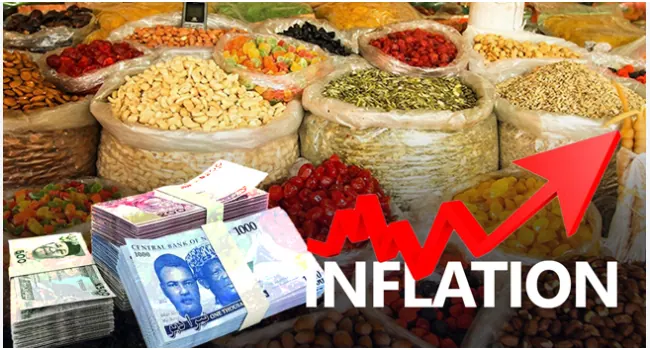
The current inflationary pressures in Nigeria have significantly altered the daily experience of millions of households. The rising cost of living has made basic necessities luxuries for many families. With fuel selling at nearly N1,400 per litre in some parts of the country, household economics and business sustainability have been severely impacted. The consequences are visible in markets, offices, homes, schools, hospitals, and on the streets.
Transportation fares have more than tripled in many cities within a short period, while food inflation has become alarming. Staple foods such as bread, eggs, cooking gas, yam, tomatoes, beans, and others continue to rise beyond the reach of average Nigerians. Electricity tariffs and telecommunications costs have also increased, while rent in urban centres keeps climbing. Unfortunately, salaries and wages have not kept pace with these realities, leaving many workers and small business owners in a difficult situation.
The salary structure available now can no longer effectively support decent living standards for many households. Even professionals with stable employment now struggle to meet basic obligations. Civil servants, teachers, artisans, small traders, entrepreneurs, and middle-income earners are feeling the weight of the economic squeeze. For many families, survival now depends on borrowing, reducing consumption, postponing healthcare, or sacrificing savings and investments.
The psychological effect of this prolonged hardship is increasingly and significantly affecting mental health, marriages, productivity, and social stability. Anxiety, frustration, depression, anger, and emotional exhaustion are becoming common experiences among citizens trying to survive difficult conditions. Economic pressure is also lowering morale, concentration, and productivity in workplaces as employees struggle to cope with transportation costs, feeding, and other basic needs.
Businesses are equally under pressure, with rising operational costs threatening sustainability, especially for small and medium-scale enterprises. Diesel prices, transportation costs, imported raw materials, electricity bills, taxation, and weak consumer spending have reduced profitability across many sectors. Several businesses have downsized operations, reduced staff strength, or shut down completely.
The current economic climate has taught Nigerians that relying solely on one source of income has become increasingly risky. Economic realities now require individuals and households to think beyond traditional salary structures and embrace income diversification. Multiple streams of income are no longer optional; they are becoming a necessity for financial survival and resilience.
To survive and thrive despite the challenges ahead, Nigerians must begin to intentionally explore additional income opportunities that can complement existing earnings. Technology and digital platforms have made this more possible than ever before. Building multiple streams of income, improving financial literacy, embracing prudent spending, and investing for the future are necessary responses to economic realities. Depending solely on salary income in today’s Nigeria may no longer be sufficient for financial stability.
Key points
- The current inflationary pressures in Nigeria have significantly altered the daily experience of millions of households.
- Relying solely on one source of income has become increasingly risky in Nigeria's current economic climate.
- Multiple streams of income are no longer optional; they are becoming a necessity for financial survival and resilience.