A dramatic scene unfolded at the Nkandla municipal council meeting when the MKP and ANC factions failed to present a united front. The infighting began when MKP councillor, P Ndima, proposed Lungisani Xulu, who is not a member of the council's top structure, as a mayoral candidate. This move was swiftly countered by ANC councillor, Nhlanhla Gina, who proposed Malibongwe Mhlongo from the MKP. The divisions deepened when ANC councillor, Bonguthando Mbambo, suggested Thokozani Ntombela from the IFP, who declined the nomination.
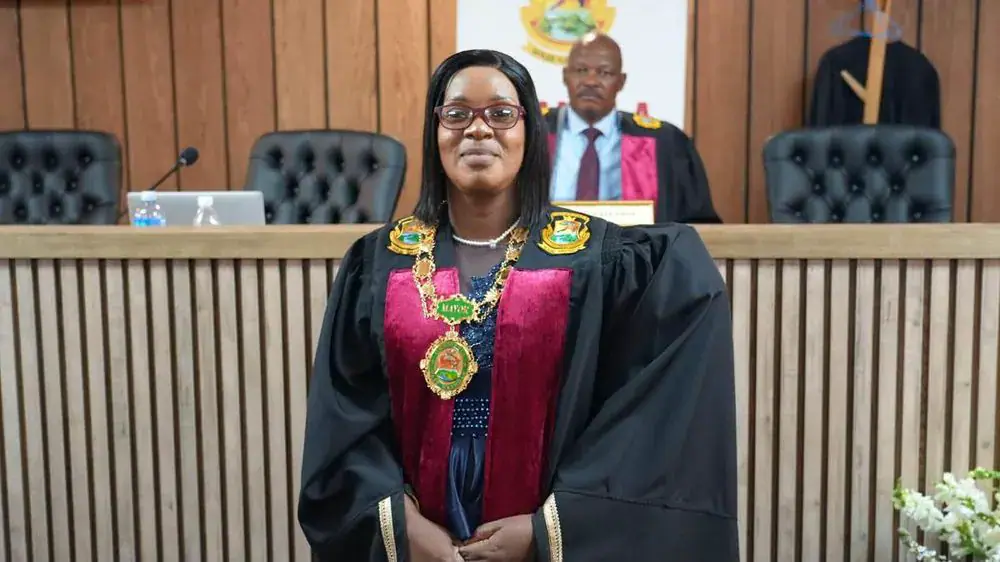
The IFP currently holds 14 out of 27 seats in the council, while the combined MKP and ANC factions have 12 seats. One DA councillor chose not to vote. Despite the challenges, Nonhlanhla Nzuza, a member of the IFP, was elected as the mayor with 14 votes against 12. Nzuza acknowledged the difficulties facing the council, stating that the primary goal is to bring development to the people of Nkandla. She emphasized the IFP's track record of delivering development and promised to work tirelessly across all 14 wards.
The MKP and ANC factions suffered another setback when their candidate for speaker, Phumzile Dlamini, lost to Sibusiso Sibiya with 14 votes against 12. The factions ultimately decided not to contest the position of deputy mayor, allowing Nokuthula Magubane to be elected unopposed. The divisions within the MKP and ANC have raised concerns about their ability to work together effectively in the council.
The infighting between the MKP and ANC has been attributed to internal power struggles. The two parties have historically been at odds, and their combined strength in the council is still short of the IFP's majority. The IFP's dominance in the council has significant implications for the upcoming 2026 elections.
Mayor Nonhlanhla Nzuza has vowed to work with all councillors to bring development to Nkandla. She acknowledged the challenges facing the council but expressed confidence in their ability to overcome them. The council's success will depend on the ability of its members to put aside their differences and work towards the common goal of serving the people of Nkandla.
The divisions within the MKP and ANC have sparked concerns about the potential for further infighting in other councils. The two parties have a long history of rivalry, and their internal power struggles often spill over into their working relationships. The outcome of the Nkandla municipal council meeting has significant implications for the future of local politics in South Africa.
The IFP's victory in the Nkandla municipal council has solidified their position as a dominant force in local politics. The party's ability to work effectively with other parties will be crucial in determining the success of their projects. As the 2026 elections approach, all eyes will be on the IFP and their rivals, the MKP and ANC.
Key points
- The IFP holds 14 out of 27 seats in the Nkandla municipal council.
- Nonhlanhla Nzuza was elected as the mayor with 14 votes against 12.
- The MKP and ANC factions suffered setbacks in the election of the speaker and deputy mayor.