An estimated 2.3 million new cancer cases globally in 2024 were linked to infections, according to a study published in The Lancet Oncology. The study, titled “Global Burden of Cancer Attributable to Infections in 2024: A Worldwide Incidence Analysis”, provided an updated assessment of cancers linked to infectious agents. The researchers used data from the Global Cancer Observatory’s GLOBOCAN 2024 database to assess cancers attributable to 12 infectious agents classified as Group 1 carcinogens.
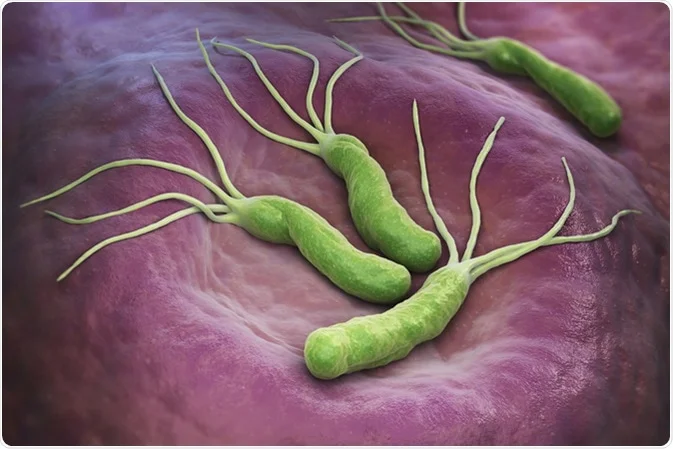
The study was led by researchers from the International Agency for Research on Cancer (IARC) and estimated population-attributable fractions, absolute numbers and age-standardised incidence rates by sex, age and country. The researchers found that Helicobacter pylori (H. pylori) accounted for the largest number of infection-attributable cancer cases, with about 760,000 cases globally. Human papillomavirus (HPV) followed with about 750,000 cases, while hepatitis B virus (HBV) was linked to 360,000 cases.
Epstein-Barr virus (EBV) accounted for about 260,000 cases, while hepatitis C virus (HCV) was associated with approximately 160,000 cases. The five infections accounted for the majority of cancers attributable to infectious agents in the study. The researchers noted that several of the infections could be prevented or treated, underscoring the importance of infection control in cancer prevention.
The researchers identified interventions including HPV and HBV vaccination, testing and treatment for HIV, H. pylori, HBV and HCV, as well as safe injection practices. Other measures include condom use and pre-exposure prophylaxis to prevent HIV transmission, alongside screening for precancerous lesions linked to HPV-driven cervical and anal cancers. These interventions could help reduce the global burden of cancers associated with infectious agents.
The study found that eastern Asia recorded the largest absolute burden, with about 990,000 infection-attributable cancer cases, representing 42 per cent of the global total. Sub-Saharan Africa, however, recorded an age-standardised incidence rate of 28.5 cases per 100,000 people, higher than the global average of 22.7 cases per 100,000. This suggests that certain regions bear a disproportionate burden of infection-attributable cancers.
Central and eastern Europe recorded 24.3 cases per 100,000, while southeastern Asia recorded 23.1 cases per 100,000. The researchers said the analysis incorporated newly established infection-cancer associations and additional infectious agents, including HIV and Merkel cell polyomavirus. This comprehensive approach provides a more accurate understanding of the relationship between infections and cancer.
The study noted that infectious agents remained an important preventable cause of cancer globally, making infection control a key component of broader cancer-control strategies. The findings could inform research and development investments in new cancer prevention tools, especially those targeting EBV. Strengthening vaccination, screening, diagnosis and treatment programmes could help reduce the global burden of cancers associated with infectious agents.
Key points
- The study found that 2.3 million new cancer cases globally in 2024 were attributable to infections.
- Helicobacter pylori (H. pylori) accounted for the largest number of infection-attributable cancer cases, with about 760,000 cases globally.
- The researchers identified interventions including HPV and HBV vaccination, testing and treatment for HIV, H. pylori, HBV and HCV, as well as safe injection practices.