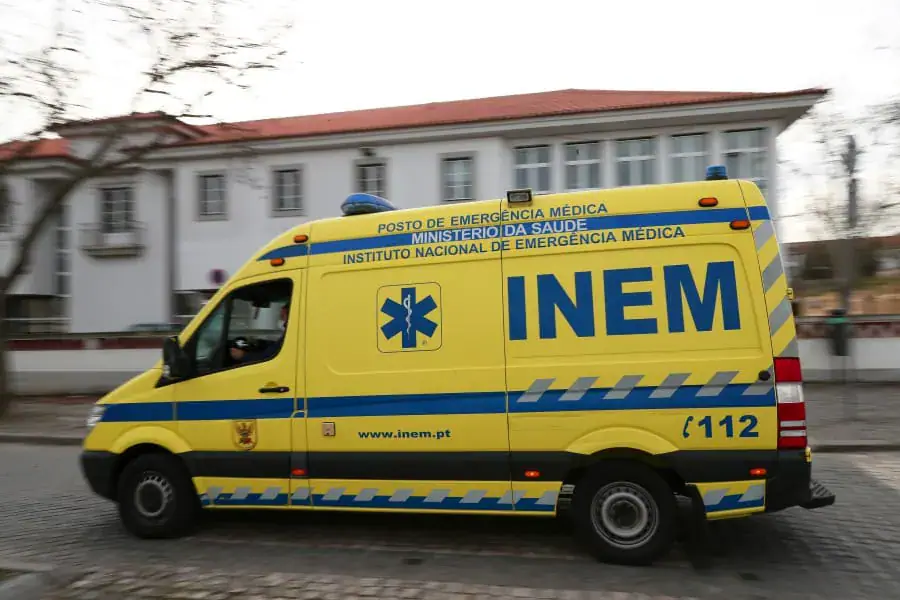
The National Emergency Medical Institute (INEM) in Cabo Verde has reported a significant number of suspected stroke cases this year. According to data, INEM recorded 6,714 cases with signs and symptoms of stroke between January 1 and October 15, averaging 790 cases per month or approximately 26 cases per day. This represents an increase in numbers since 2024.
Stroke is one of the main causes of death in Portugal, resulting from a rapid loss of neurological function caused by the interruption of blood supply to the brain. This interruption can occur due to an ischemic phenomenon, such as the obstruction of an artery, or a hemorrhagic phenomenon, such as the rupture of an artery. The INEM data also shows that more than half of the cases recorded in 2026 (52%) corresponded to women.
The average age of suspected stroke cases was 77 years, with the age range of 70 to 89 years representing 54.8% of the total. The districts with the highest number of suspected cases were Lisboa (1,019), Porto (1,014), Aveiro (437), Setúbal (418), and Braga (398). These cases were referred to the Green Line for Stroke (Via Verde do AVC), a protocol created to ensure rapid emergency response and priority for victims.
In recent years, the number of activations of the Green Line for Stroke in the pre-hospital setting has increased. The numbers were 6,876 in 2022, 8,796 in 2023, 7,886 in 2024, and 9,490 in 2025. The INEM stated that the average monthly number of 790 suspected stroke cases this year reflects the "reinforcement of the capacity to identify and signal suspected cases."
The INEM attributed the increase in numbers to the continuous training of professionals and the consolidation of triage and clinical registration processes. This has resulted in a more sensitive system for early detection of stroke situations, which does not necessarily correspond to an increase in the incidence of stroke. The institute emphasized the importance of rapid emergency response and early treatment.
According to the INEM, in 34% of cases, less than 60 minutes passed between the onset of symptoms and the creation of an occurrence in the Emergency Patient Orientation Centers (CODU). The hour of symptom onset was recorded in 72% of situations. The institute stressed the need to continue raising public awareness about the importance of calling 112 as soon as suspicious symptoms appear.
The INEM also highlighted that the first hours after the onset of symptoms are crucial for the success of treatment. During this period, the most effective therapies can be applied. The institute emphasized that early activation of emergency medical services allows for adequate triage and rapid referral of patients to specialized hospital units. Prevention of stroke involves adopting healthy lifestyles, including regular physical exercise, avoiding tobacco consumption, and strict control of diseases such as hypertension, diabetes, and cardiac arrhythmias.
Key points
- The INEM recorded an average of 26 suspected stroke cases per day this year, with a total of 6,714 cases between January 1 and October 15.
- The districts with the highest number of suspected stroke cases were Lisboa, Porto, Aveiro, Setúbal, and Braga.
- The INEM emphasized the importance of rapid emergency response and early treatment, as well as public awareness about stroke symptoms and prevention.