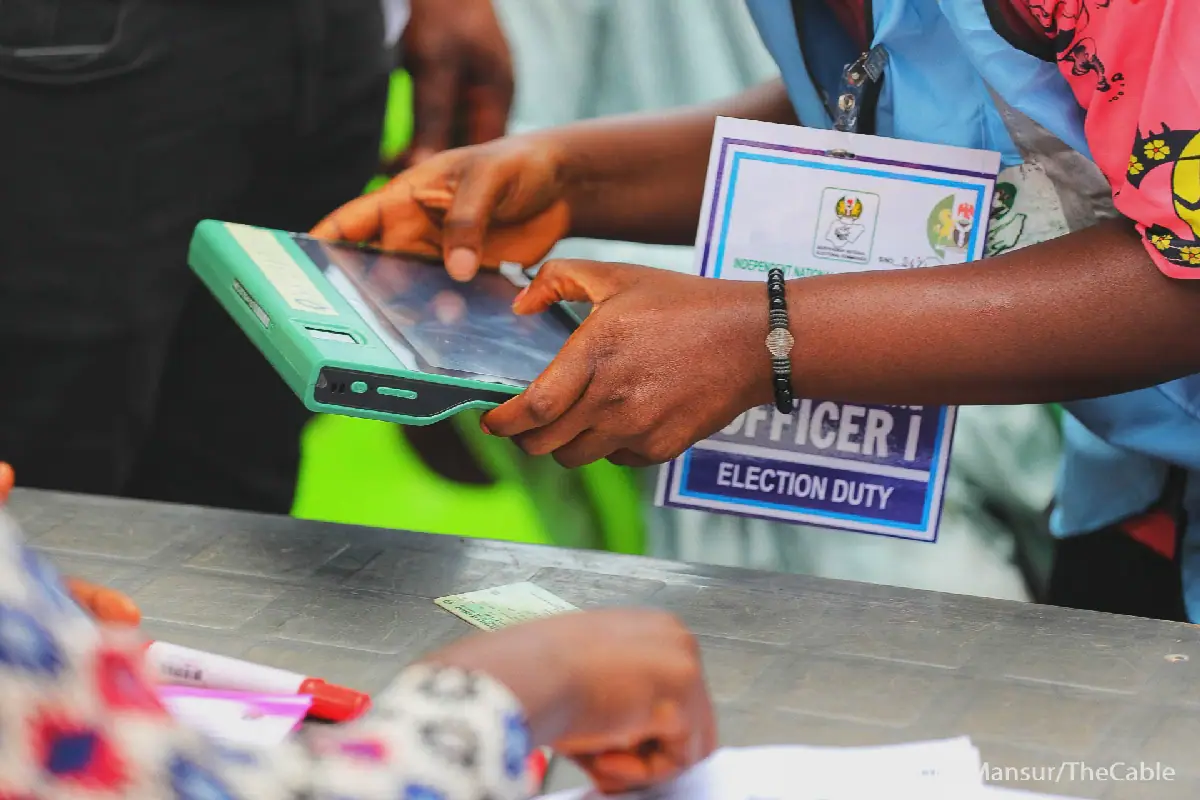
The Independent National Electoral Commission (INEC) has chosen 17,676 polling units across Nigeria for a nationwide mock accreditation and electronic result upload exercise scheduled for Saturday, November 28. This exercise aims to test the functionality of the Bimodal Voter Accreditation System (BVAS), assess voter accreditation procedures, and identify possible technical challenges before the 2027 general elections. The exercise will run from 8:30 a.m. to 2:30 p.m. and cover two polling units in each of Nigeria’s 8,838 Registration Areas across the 36 states and the Federal Capital Territory.
INEC announced the development on Monday, directing political parties, stakeholders, and members of the public to visit its website to access the list of selected polling units. According to the commission, the mock exercise will provide an opportunity to evaluate its accreditation technology and electronic result transmission procedures before the 2027 polls. This move is part of INEC's efforts to strengthen its electoral technology and address operational challenges ahead of the 2027 general elections.
The exercise comes as INEC intensifies preparations for the 2027 general elections, with the commission disclosing that 186,277 BVAS devices, representing between 75 and 80 per cent of its available machines, have been deployed to states. INEC Chairman, Professor Joash Amupitan, had earlier announced the November 28 exercise during an engagement at Chatham House in London on November 12. He disclosed that the commission had reduced the maximum number of registered voters assigned to each BVAS machine from 1,250 to 850 to improve operational efficiency.
The African Democratic Congress Presidential Campaign Council had called on INEC to postpone the mock exercise, citing concerns over the short notice given to political parties. The council, on November 18, argued that the available preparation time was insufficient for parties to make adequate arrangements and participate meaningfully in the exercise. However, INEC’s latest announcement indicates that preparations are continuing towards the November 28 exercise.
INEC is also introducing technical safeguards to prevent inaccurate results and figures indicating over-voting from being uploaded to the INEC Result Viewing Portal (IReV). The commission aims to ensure the integrity of the electoral process and prevent potential manipulation of results. By introducing these safeguards, INEC seeks to enhance transparency and build trust in the electoral process.
The mock accreditation and result upload exercise forms part of the commission’s efforts to strengthen its electoral technology and address operational challenges ahead of the 2027 general elections. The exercise will help identify and resolve any technical issues, ensuring a smooth electoral process. INEC's proactive approach demonstrates its commitment to conducting free, fair, and transparent elections.
The nationwide BVAS mock exercise is a critical step in INEC's preparations for the 2027 general elections. With the selection of 17,676 polling units and the deployment of 186,277 BVAS devices, INEC is working to ensure that the electoral process is efficient, secure, and transparent. The commission's efforts aim to build confidence in the electoral process and ensure that the 2027 general elections are conducted in a free, fair, and transparent manner.
Key points
- INEC has selected 17,676 polling units for a nationwide BVAS mock exercise to test voter accreditation and electronic result upload ahead of the 2027 general elections.
- The exercise aims to evaluate INEC's accreditation technology and electronic result transmission procedures before the 2027 polls.
- INEC has deployed 186,277 BVAS devices, representing between 75 and 80 per cent of its available machines, to states ahead of the 2027 general elections.
Reporting sources
- 2027 Elections: INEC Selects 17,676 Polling Units for Nationwide BVAS Mock Exercise · Spice Radio Nigeria