The Independent National Electoral Commission (INEC) in Nigeria is taking steps to ensure the integrity of the 2027 general elections by partnering with global technology giants, Google and Microsoft. The partnership aims to deploy Artificial Intelligence (AI) data-auditing tools and advanced cyber-defence systems to protect Nigeria's electoral database from cyber-attacks. This move is part of INEC's efforts to ensure that public confidence in the 2027 elections is based on verifiable processes rather than assurances.
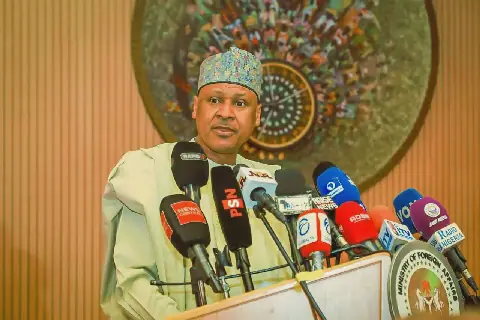
INEC Chairman, Prof. Joash Amupitan, stated that the commission has embarked on major technological, structural, and logistical reforms to strengthen the integrity of the elections. The reforms include the deployment of AI and advanced cyber-security infrastructure to protect INEC's databases against cyber intrusions, Distributed Denial-of-Service (DDoS) attacks, and unauthorised data injection. Amupitan emphasised that every electoral official is required to take a binding oath of loyalty and absolute neutrality under Section 26 of the Electoral Act 2026.
The INEC Chairman warned that electoral officials found engaging in partisan activities, administrative carelessness, or other ethical compromises during the elections will be immediately dismissed and prosecuted. He stressed that officials who compromise the process will face immediate consequences. Amupitan's remarks were made during the 10th Annual Conference of the Guild of Corporate Online Publishers (GOCOP) in Lagos, where he delivered the keynote address on the theme, '2027 Elections: Trust, Transparency and Shared Responsibilities'.
Meanwhile, the Peter Obi Media Office has raised concerns over alleged attempts by politicians to turn Nigerians' economic hardship into a weapon for controlling their votes. The office alleged that some members of the ruling party are offering money for Permanent Voter Cards (PVCs), while some state governors are allegedly demanding PVCs from citizens, including civil servants, before they receive their salaries and allowances. The office warned Nigerians not to surrender their voting power because of poverty.
The African Democratic Congress (ADC) has stated that it will document, collate, and share polling unit results with the public during the 2027 general elections, while respecting INEC's statutory responsibility to declare official election outcomes and announce winners. The party asserted that independently collating and sharing election results is a constitutional right. ADC's National Publicity Secretary, Bolaji Abdullahi, signed the statement, emphasising the party's right to freely collect and share information, including election results.
The allegations about PVC collection and salary-linked inducements could not be independently verified. However, the Peter Obi Media Office urged Nigerians to reject cash and other inducements offered in exchange for their votes, PVCs, or participation in schemes that could compromise the electoral process. The office also called on Nigerians to turn out en masse on election day, vote according to their conscience, and use lawful means to protect their ballots.
The INEC Chairman's warning against the sharing of privately collated results was in response to concerns about the integrity of the electoral process. However, the ADC maintained that its right to collate and share election results is not abrogated by any limitation clauses. The party will share its collated results with the public, identifying their source and status, while recognising INEC's responsibility to make official declarations of results and declare election winners.
Key points
- INEC partners with Google and Microsoft to deploy AI data-auditing tools and advanced cyber-defence systems to protect the electoral database from cyber-attacks.
- INEC warns that electoral officials engaging in partisan activities will be immediately dismissed and prosecuted.
- The African Democratic Congress asserts its right to collate and share election results with the public.