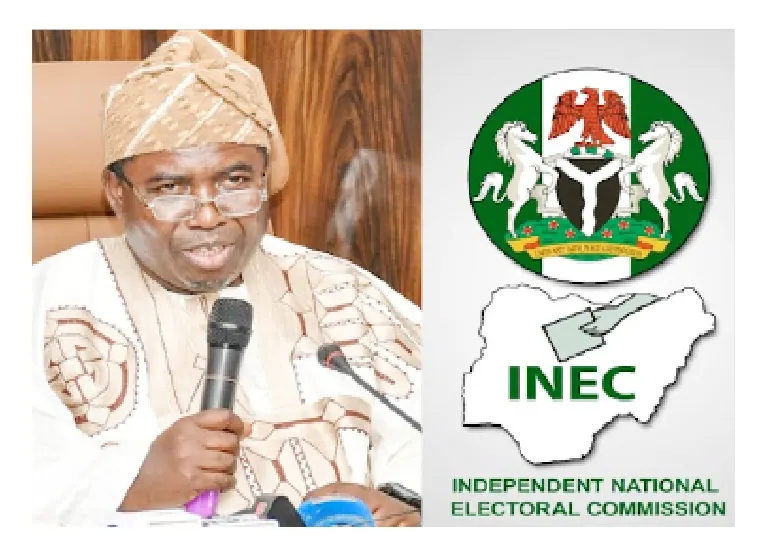
The Independent National Electoral Commission (INEC) has acknowledged the growing threat posed by AI-generated misinformation and disinformation ahead of the 2027 general elections. The commission has monitoring mechanisms, an AI division, and a rapid-response team to detect and respond to fabricated electoral content. INEC urges Nigerians to rely only on information and results released through its verified communication channels. Deputy Director, Voter Education and Publicity at INEC, Wilfred Ifogah, disclosed that the commission is closely monitoring AI-generated content.
INEC has a dedicated rapid-response team and a media monitoring unit to address false information once it is detected. According to Ifogah, the commission responds as soon as the content is flagged. The rapid-response team and media monitoring unit play a crucial role in identifying and countering fake news. INEC's approach aims to prevent the spread of misinformation and maintain the credibility of the electoral process.
The commission is working with major technology and social media platforms, including Meta, X, TikTok, Google, and WhatsApp, to tackle election-related misinformation and disinformation. This collaboration aims to reduce the spread of false information on these platforms. INEC's efforts to combat fake news come after the extensive circulation of false claims and manipulated materials during the 2023 general elections.
The Nigerian Fact-Checkers' Coalition (NFC) established election situation rooms in Abuja, Lagos, and the United Kingdom to monitor misinformation and disinformation during the 2023 polls. Opeyemi Kehinde, editor at FactCheckHub and coordinator of the NFC, emphasized the significance of the coalition's role in ensuring election integrity. The coalition monitored and debunked false information from election day until INEC announced the final results.
FactCheckHub's review of the 2023 election fact-checking exercise revealed the scale of the challenge. A total of 127 claims were fact-checked during the presidential/National Assembly and governorship/State Assembly elections. Videos accounted for a significant portion of the claims. The exercise demonstrated the need for continued efforts to combat misinformation and disinformation.
INEC's proactive approach to addressing AI-generated fake news is crucial in maintaining the credibility of the electoral process. The commission's measures, including its monitoring mechanisms and collaboration with social media platforms, aim to prevent the spread of false information. Nigerians are urged to rely on verified information from INEC's official communication channels.
The 2027 general elections pose a fresh challenge to the credibility of the electoral process due to the increasing use of Artificial Intelligence (AI) to generate convincing videos, cloned voices, fabricated documents, and manipulated images. INEC's efforts to combat AI-generated fake news will be crucial in ensuring the integrity of the elections.
Key points
- INEC has a monitoring mechanism, AI division, and rapid-response team to detect and respond to fabricated electoral content.
- The commission is working with major technology and social media platforms to tackle election-related misinformation and disinformation.
- INEC urges Nigerians to rely only on information and results released through its verified communication channels.