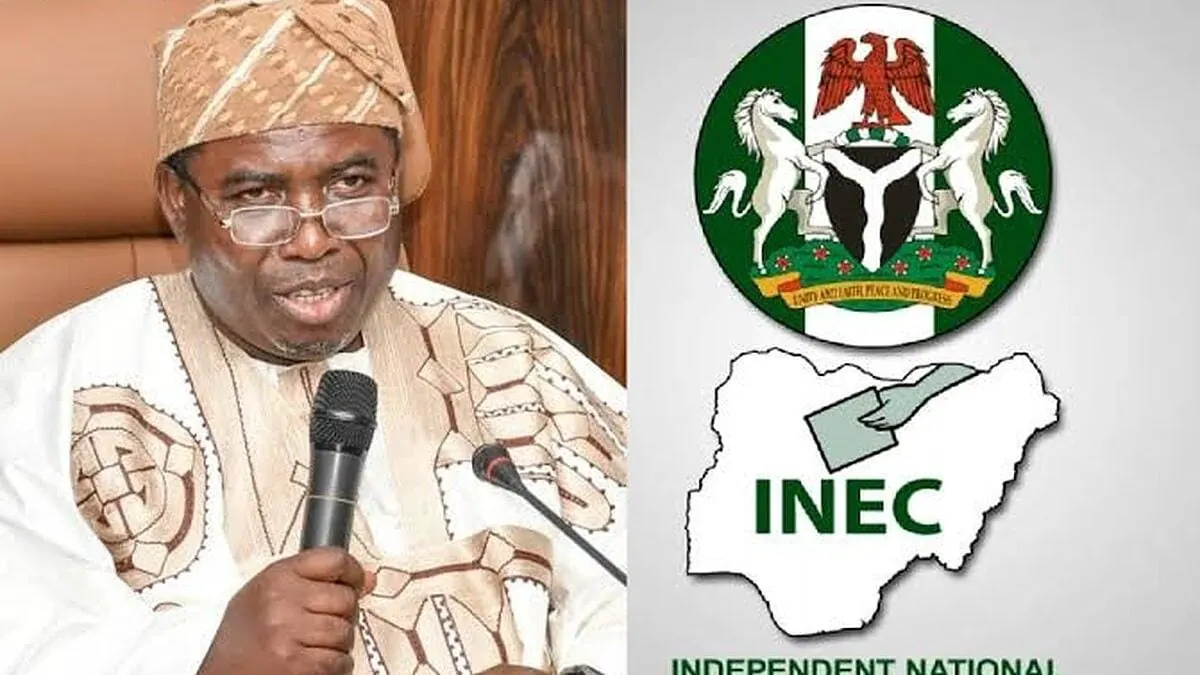
The Socio-Economic Rights and Accountability Project (SERAP) has filed a suit against the Independent National Electoral Commission (INEC) at the Federal High Court in Abuja. The suit, numbered FHC/ABJ/CS/2114/2026, alleges that INEC has failed to disclose political contribution limits and other financial information ahead of the 2027 general elections. SERAP is seeking an order of mandamus to compel INEC to disclose this information. The suit was filed on September 20, 2026.
Section 91 of the Electoral Act 2026 empowers INEC to prescribe limits on contributions to political parties and candidates. However, INEC has allegedly failed to exercise this power, leaving the limits unclear. SERAP argues that this lack of transparency hinders the ability of voters, journalists, and civil society organizations to scrutinize political financing. The organization claims that INEC's inaction allows excessive financial influence during electoral competition.
SERAP is seeking disclosure of the systems and procedures INEC has put in place to monitor, investigate, and enforce compliance with contribution and campaign expenditure limits. The organization also wants INEC to publish political parties' latest financial statements, audited accounts, and election expenditure returns covering 2023 to 2025. Additionally, SERAP is seeking disclosure of INEC's examination and audit reports under Sections 225 and 226 of the Constitution.
The suit also seeks disclosure of the political parties that submitted post-2023 election contribution reports, the dates of submission, and actions taken against parties that failed to comply with statutory reporting requirements. SERAP argues that this information is necessary because political parties are already mobilizing funds and incurring campaign-related expenses ahead of the 2027 elections.
SERAP maintains that statutory contribution and expenditure limits are designed to prevent excessive financial influence during electoral competition. The organization had previously urged INEC to publish the contribution limits and party financial records in August. Under the Electoral Act 2026, political parties are required to account for contributions received, and parties that accept contributions above limits prescribed by INEC face financial sanctions and forfeiture provisions.
The organization argues that transparency in political financing is crucial given concerns over excessive campaign spending, undisclosed sources of funds, and weak reporting and enforcement challenges. SERAP claims that citizens cannot meaningfully exercise their political rights if undisclosed or excessive financial resources are allowed to influence the electoral process.
No date has been fixed for the hearing of the suit. The outcome will determine whether INEC is compelled to disclose the required information, potentially increasing transparency in Nigeria's electoral process.
Key points
- - The Socio-Economic Rights and Accountability Project (SERAP) has filed a suit against INEC over alleged failure to disclose political contribution limits. - The suit seeks disclosure of INEC's systems and procedures for monitoring, investigating, and enforcing compliance with contribution and campaign expenditure limits. - The case may increase transparency in Nigeria's electoral process if INEC is compelled to disclose the required information.