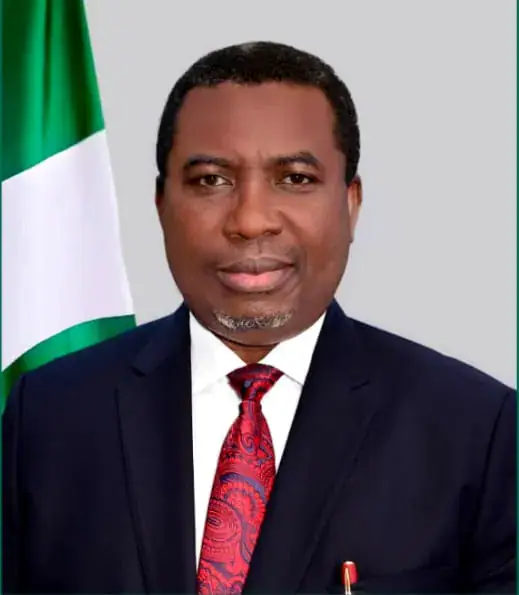
The credibility of Nigeria's electoral process is heavily dependent on the welfare and remuneration of its electoral workforce, which is often inadequately paid and overstretched. With the 2027 general elections approaching, concerns have been raised about the financial security of those responsible for administering the democratic process. The Independent National Electoral Commission (INEC) Chairman, Professor Joash Ojo Amupitan, is under scrutiny to address these issues.
Electoral workers in various states, including Anambra, Enugu, Lagos, and Ondo, have documented complaints about delayed and incomplete payments, as well as unimplemented reviews of electoral-duty honoraria and allowances. These concerns raise serious questions about the ability of INEC to ensure a smooth electoral process. As the chairman prepares to oversee the January 16 and February 6, 2027 elections, public debate has largely focused on BVAS technology, electronic transmission of results, and security deployments.
INEC's own post-election assessment has highlighted the need for improved welfare and remuneration for electoral workers. The commission's proposed ₦873.78 billion budget for the upcoming elections has sparked discussions about the allocation of resources. However, the issue of electoral workers' welfare remains a pressing concern. The chairman's ability to address these concerns will be crucial in ensuring the credibility of the electoral process.
The welfare of electoral workers is not only a matter of financial security but also a concern for their safety and well-being. The 2027 general elections are expected to take place across the country's 176,846 polling units, with a large workforce responsible for administering the process. Ensuring that these workers are properly remunerated and equipped to handle the demands of the election is essential.
Various stakeholders, including civil society groups and electoral observers, have called for improved welfare and remuneration for electoral workers. They argue that this is essential for ensuring the integrity and credibility of the electoral process. The INEC chairman's response to these concerns will be closely watched in the lead-up to the 2027 general elections.
The issue of electoral workers' welfare has sparked a wider debate about the need for electoral reform in Nigeria. Some have argued that the current system is prone to manipulation and that reforms are needed to ensure the credibility of the electoral process. The INEC chairman's efforts to address the concerns of electoral workers will be seen as a crucial step towards electoral reform.
As the 2027 general elections approach, the INEC chairman faces mounting pressure to address the concerns of electoral workers. Ensuring that these workers are properly remunerated and equipped to handle the demands of the election will be crucial in maintaining the credibility of the electoral process. The chairman's ability to balance the competing demands of various stakeholders will be essential in ensuring a smooth and credible electoral process.
Key points
- The INEC chairman, Professor Joash Ojo Amupitan, faces growing concerns over the welfare and remuneration of electoral workers ahead of the 2027 general elections.
- Electoral workers in various states have documented complaints about delayed and incomplete payments, as well as unimplemented reviews of electoral-duty honoraria and allowances.
- The INEC chairman's ability to address the concerns of electoral workers will be crucial in ensuring the credibility of the electoral process.