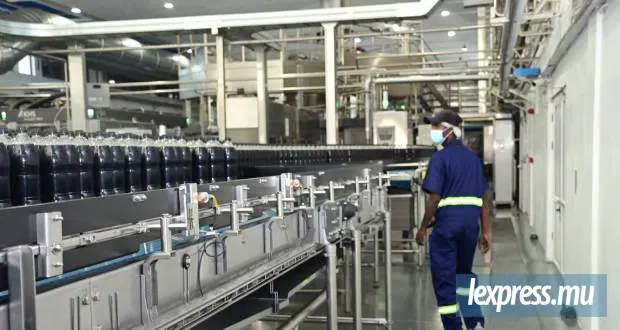
Quality Beverages Limited (QBL) has increased its production capacity with a new bottling line, financed by an investment of over Rs 330 million. The new equipment, unveiled on September 28, will enable the company to produce 18,000 bottles per hour, up from 7,500. The capacity is expected to reach 30,000 bottles per hour by 2028. This new line replaces equipment used for over thirty years.
The new installation aims to meet the growing demand in the local market while preparing for potential regional opportunities. According to Inigo de Prado, Managing Director of QBL, the new line will allow the company to better respond to demand, strengthen local production, and support growth for at least the next ten years. The company also plans to modify the composition of certain packaging materials.
The new bottling line features automated operations, reducing electricity consumption by 56% per bottle produced. QBL estimates that the new equipment will result in an annual water saving of approximately 8 million liters. The company will also use laser marking on bottles, eliminating the use of ink for this operation. These changes align with QBL's sustainability goals.
QBL is committed to incorporating recycled materials into its packaging. The company has introduced PET to Mauritius and plans to launch a bottle made from 100% recycled PET for Pepsi Extra Fizz. QBL currently uses 37% recycled plastic in its shrinkable and stretchable films, in collaboration with Eco (Moris) Sustainable Solutions Ltd.
The Mauritian government is implementing regulations to manage waste and promote recycling. According to Rajesh Bhagwan, Minister of Environment, Waste Management, and Climate Change, approximately 168 million PET beverage bottles were placed on the Mauritian market in 2025. The national collection rate stands at around 25%. A new regulation on extended producer responsibility is being prepared.
The government aims to increase the collection rate to at least 80% by 2035. A deposit refund system, known as the Deposit Refund System, will be introduced, along with an excise duty of Rs 2 on non-essential product packaging. The revenue generated will support collection and recycling programs. Minister Bhagwan emphasized the need to improve collection and recycling infrastructure.
Minister Aadil Ameer Meea highlighted the importance of strengthening local production in the face of international supply chain disruptions. QBL's certification to the FSSC 22000 international food safety standard will facilitate access to regional and international markets. The company's investment in new equipment demonstrates its commitment to growth and sustainability.
Key points
- Quality Beverages Limited increases production capacity to 18,000 bottles per hour
- The company aims to reach 30,000 bottles per hour by 2028
- The new bottling line features automated operations and reduced energy consumption